
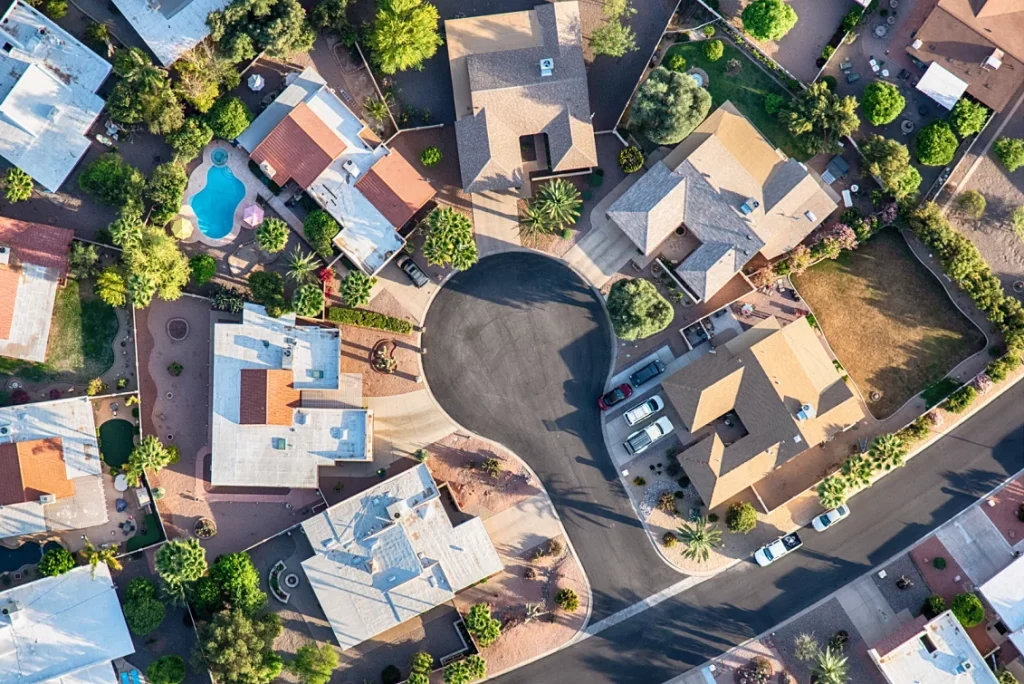
A peaceful and thriving neighborhood may be more important than the house itself. Purchasing a new home marks an exhilarating journey! You’ve probably pondered over the amenities you desire for your inaugural residence and have a notion of the city or region you fancy living in, yet there’s further depth to explore. Even with a rough idea of location, delving into the nuances of various city areas is vital. If you’re unsure about what aspects to consider in a neighborhood, here are some essential factors to ponder as you scout for your ideal spot.

What are the Qualities of a Good Neighborhood?
A truly exceptional neighborhood feels tailor-made for its residents. It’s well-maintained, peaceful, and boasts a strong sense of community pride. Good neighbors enhance the neighborhood experience, offering support during crises, organizing charitable events and clean-up days, and sharing helpful tips and deals. Conversely, troublesome neighbors can significantly detract from the community’s quality of life, whether through loud disruptions or excessive traffic.
Consider whether your potential new neighborhood aligns with your needs and preferences. Neighbors can be valuable resources; you might benefit from what they offer, and they might appreciate what you bring to the table. Remember, you’re not alone in your neighborhood; familiarize yourself with the qualities of good neighbors.
They say that the company you keep influences your lifestyle, and the same holds true for your neighbors. A harmonious neighborhood contributes to a happier life. To cultivate good neighbors, it’s essential to embody those qualities yourself.
1.) Neighborhood Safety
When searching for a home, particularly with children in mind, neighborhood safety is a crucial consideration. Here are some aspects to investigate that can provide insight into the overall safety of a neighborhood:
- Crime statistics: It’s important to keep in mind that no area is entirely free of criminal activity, so don’t be too disheartened if you can’t find a neighborhood without any crime. There are many reputable online resources available for checking crime maps, but the most accurate information will likely come from official criminal reports on the city’s website or directly from local law enforcement. Additionally, consider how crime rates may vary seasonally. For instance, if you’re house hunting during winter, the month-to-month crime report for colder months might differ from that of summer when more people are drawn to the area due to events and activities.
- Neighborhood watch: Does the area have a neighborhood watch group in place? While this might not be a make-or-break factor for everyone, some families find it valuable. You can inquire with local law enforcement or speak to one of the residents. Additionally, keep an eye out for street signs indicating that it’s a neighborhood watch area.
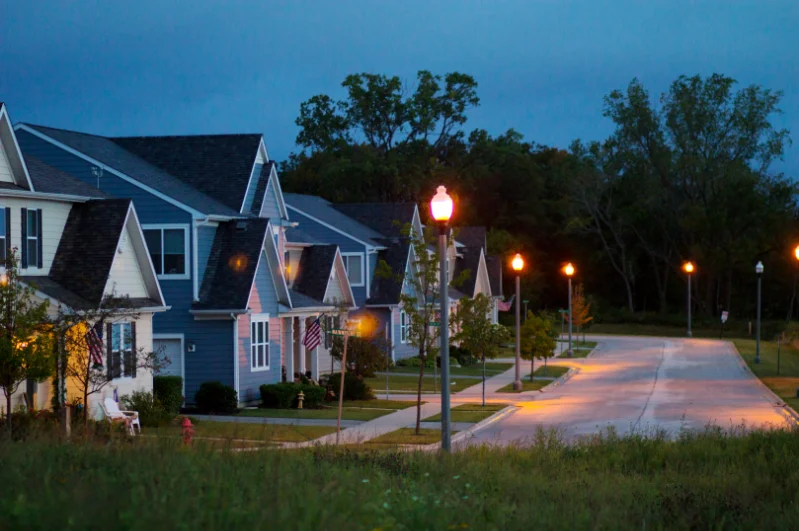
- Street lighting: Sufficient street lighting can contribute to a sense of safety for many residents in a neighborhood.
- Talk with neighbors: When you spot someone walking their dog, tending to their lawn, or checking their mail, take the opportunity to introduce yourself and mention your potential interest in relocating to the neighborhood. Residents can provide valuable firsthand insights into their perception of the area’s safety.
Certainly, these methods aren’t exhaustive in assessing a neighborhood’s safety, and it’s crucial to rely on your intuition. If something feels off, continue exploring until you find a neighborhood that instills a sense of security in you. Additionally, spending time in the neighborhood you’re considering is a wise approach.
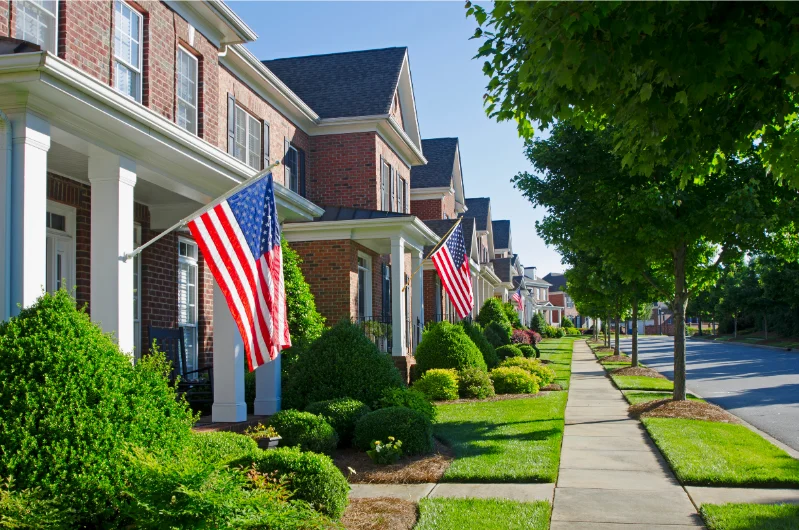
2.) Convenient Neighborhood
The high demand for a convenient neighborhood is justified. Such a location offers everything necessary for a happier, healthier, and more fulfilling life. Easy-to-access amenities foster a sense of community, including nearby parks, schools, grocery stores, and businesses that contribute to the neighborhood’s appeal.
3.) Pedestrian-Friendly
Being able to freely navigate the area on foot and having convenient access to public transportation are key factors in effortless travel. This combination ensures safety and convenience whether you’re walking or biking, providing access to excellent shopping spots, diverse entertainment options, and enriching cultural experiences.
4.) Green Landscapes
What benefits the environment benefits everyone. Many property developers now prioritize constructing eco-friendly homes. In Florida, the trend of green buildings is gaining momentum, with at least 17 certified green buildings already in existence. Green spaces featuring trees and small parks often enhance the value and charm of a neighborhood. This signifies a fresh lifestyle approach that promotes better health for us, our future generations, and the planet. Additionally, having parks nearby allows for relaxation after a long workday and offers opportunities for enjoyable family activities over the weekend.
5.) Accessible
A thoughtfully planned community ensures convenient access to various amenities and services, a hallmark of a quality neighborhood. These encompass supermarkets, healthcare facilities, schools, colleges, services, and public transportation networks.

6.) Nearby Healthcare Centers
Access to high-quality healthcare is paramount. Rapid and precise emergency response from medical personnel significantly enhances one’s overall health. Being close to hospitals and medical facilities not only reduces the risk of falls and accidents at home but also ensures greater safety and security for families.
7.) Nearby Parks, Walking Paths, or Dog Parks
Even if you’re in the market for a home in winter, it’s crucial to explore the outdoor features a neighborhood provides. Consider going for a drive or stroll around the area, keeping an eye out for:
- Sidewalks: While it may appear obvious, properly cared for sidewalks enhance a neighborhood’s accessibility, especially for individuals with disabilities or those lacking alternative transportation routes.
- Parks: Considering this can be significant for you, your children, and even your dog. Is there a park nearby that you can walk to, or is it just a short drive away? What facilities does the park offer? If it’s not an attraction you’d utilize, it may not be significant, or it could dissuade you from purchasing a home in that area.
- Walking trails: You might have a routine of walking your dog each morning before heading to work, or perhaps you prefer a family walk after dinner. Take a look for nearby walking trails or find a map of city trails.
8.) Nearby Public Services such as Police and Fire Station
One of the crucial measures for attaining peace of mind is to situate your home near the police station and fire station. This ensures timely assistance can be accessed during unexpected incidents. Moreover, proximity to public services such as parks, banks, and government offices enhances convenience as you won’t need to travel far for assistance.
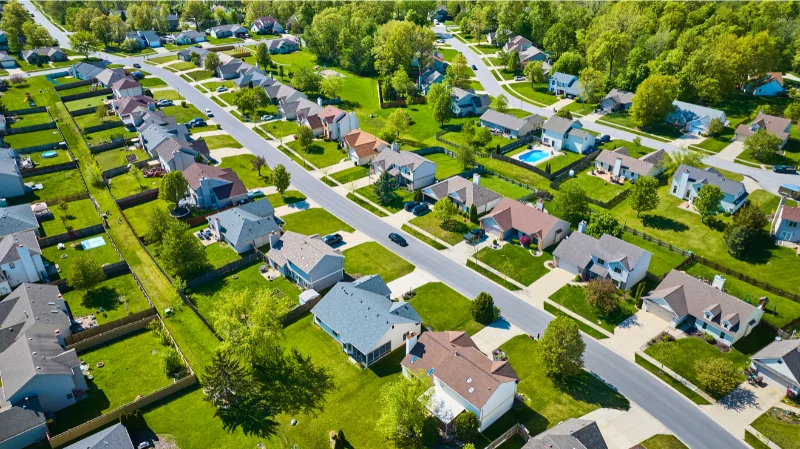
9.) Nearby Schools and Higher Learning Institutions
A neighborhood situated just a stone’s throw away from schools and universities has consistently been in high demand. Properties near these amenities are always sought after. For instance, an area known for its international schools will attract expatriate communities, while a location close to higher education institutions is preferred by both local and international students. The demand for properties in a well-rounded neighborhood remains constant, as individuals are continuously seeking to establish roots in such areas.
If you’re considering starting a family soon, recently welcomed your first child, or already have children attending school, locating a high-performing school district is often a top priority for many families when choosing a suitable place to reside. How can you assess whether a school district meets the criteria of being “good” or not?
- Test scores and data: State test scores serve as an indicator of how a specific school district’s performance compares to the state average, whether it falls below, meets, or exceeds those standards. The Florida Report Card offers valuable insights into graduation rates, MCA and MTA test scores, as well as details regarding access for English language learners, demographics, and other pertinent information.
- Programming: School programs are a significant consideration for many families. For households where adults are employed full-time during the day, after-school programs play a crucial role during the hours after school before the workday concludes. Families with children who require special accommodations or extra support must prioritize districts with the necessary resources to meet these needs effectively. Additionally, if your child excels in multiple subjects, exploring whether the district offers Advanced Placement (AP) classes or college-level courses can be beneficial for their continued education beyond high school.
- Extracurricular activities: If your child has a passion for writing or enjoys performing in musicals, consider if the school offers a newspaper or opportunities for participation in clubs like science, math, art, or book clubs. Selecting a district that aligns with your children’s interests and strengths can greatly contribute to their academic and personal success.
- Sports programs: While it’s easy to assume that all school districts provide options like high school football, swimming teams, and competitive lacrosse, this may not always be the case. Some districts, due to their size or financial limitations, might not be able to support certain sports. It’s important to verify what athletic programs are available before making any assumptions.
- PTO: If you value open communication and collaboration between parents and teachers, inquire about the presence of a Parent Teacher Organization or Association (PTO/PTA) within the school community. Is there an active PTO/PTA? How many members actively participate? How frequently do they convene? What topics are typically addressed during their meetings? And most importantly, is it an inclusive and welcoming group?
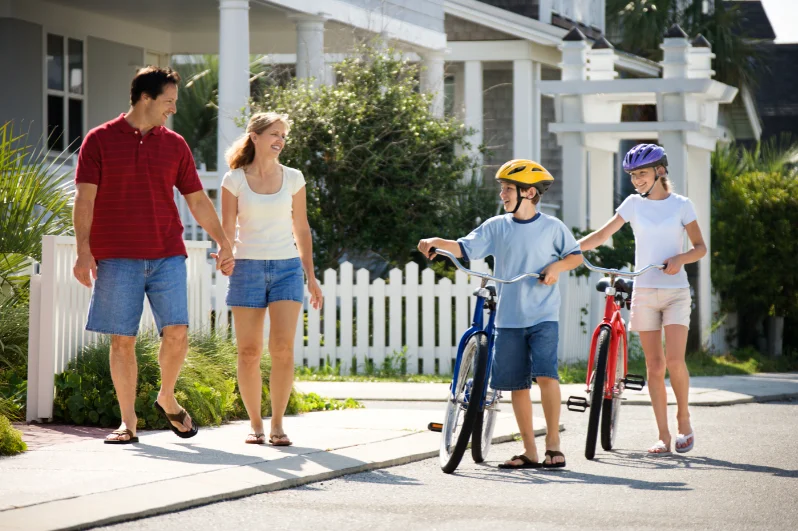
10.) Nearby Public Transportation Hub
Opting for LRT or MRT is the most efficient way to navigate the city. Living near one of these major train lines ensures you’re always within reach of your next destination. Beyond the convenience of commuting, this proximity also leads to a significant increase in property value, appealing to both buyers and renters alike. While residing near main rail lines may come with a higher price tag, it offers unparalleled accessibility benefits.
Living in Miami, Florida, offers unparalleled convenience, especially with the well-developed public transportation system like the Miami-Dade Metro Rail system. This extensive rail network spans across the city, connecting various neighborhoods and key locations, making it incredibly easy to get around without the hassle of driving. Whether you’re commuting to work, exploring the vibrant cultural scene, or hitting the beautiful beaches, the Metro Rail system provides efficient and reliable transportation. Additionally, living near a Metro Rail station not only saves time but also reduces the stress of navigating traffic and finding parking. It’s a convenient and eco-friendly way to experience everything Miami has to offer, enhancing the overall quality of life for residents.
11.) Variety of Housing Types
An ideal neighborhood should encompass a variety of housing options, ranging from low-rise apartments to single-family homes, catering to diverse lifestyle preferences. Moreover, it should feature properties across various price ranges, providing individuals with choices that align with their budgetary constraints. In Florida, different types of properties and houses are associated with distinct titles, influencing property ownership and transfer procedures. Thus, prospective homebuyers must be well-informed about these titles to navigate property transactions effectively.
12.) Interesting Architecture and Design, Comfortable and Appealing
Florida is renowned for its captivating blend of interesting architecture and design, offering a plethora of comfortable and appealing places to explore. From the iconic Art Deco buildings of Miami Beach to the charming historic districts of St. Augustine, the state is a treasure trove of architectural wonders. Whether you’re strolling down the colorful streets of Key West adorned with Victorian-style homes or admiring the sleek modern skyscrapers of downtown Tampa, each corner of Florida tells a unique story through its architecture. Alongside the architectural marvels, Florida boasts comfortable and inviting spaces like lush botanical gardens, serene waterfront parks, and trendy urban squares. These places not only offer a respite from the hustle and bustle but also provide a glimpse into the vibrant and diverse culture that defines the Sunshine State.
13.) Active Community to Solve Issues in the Neighborhood
An active community plays a pivotal role in addressing and resolving issues within the neighborhood. Through collaboration, communication, and collective action, community members can work together to identify challenges, brainstorm solutions, and implement initiatives that benefit everyone. Whether it’s organizing neighborhood clean-up drives, establishing community watch programs, or advocating for better infrastructure, an engaged community fosters a sense of ownership and pride in the neighborhood. By fostering relationships, promoting transparency, and encouraging participation, an active community creates a supportive environment where residents feel empowered to make positive changes and enhance the overall quality of life for everyone.
Discover our other blog topics here: The Great Debate: Buying Versus Building Your Home
14.) Friendly and Welcoming Neighbors
Friendly and welcoming neighbors are the cornerstone of a vibrant and cohesive community. They extend warm greetings, offer a helping hand, and create a sense of belonging for everyone in the neighborhood. From casual chats over the fence to organizing block parties and community gatherings, friendly neighbors foster a spirit of camaraderie and mutual support. Their kindness and openness not only create a pleasant living environment but also contribute to building lasting friendships and strong social connections. In times of need, they rally together to lend support, share resources, and uplift each other, making the neighborhood a welcoming and nurturing place for all.
Other Things to Remember
The qualities that make a neighborhood appealing can also drive up demand (and prices) for homes there. If you encounter this while house hunting, it may be wise to pause and reconsider your approach. Focusing on your “must-haves” during your search will simplify the decision-making process later on. Additionally, collaborate with your real estate agent to gauge the competitiveness of the housing market in that area. Are buyers waiting months, a year, or longer to purchase homes in that community?
It’s beneficial to discern whether your attraction lies more with the house or the neighborhood. If it’s the neighborhood but the home’s price is prohibitive, you have options. You could seek a smaller, more affordable home in the same area. Alternatively, revisit your “must-haves” list to see if there are amenities or features you’re willing to compromise on to secure a home in that neighborhood.
If your preference leans toward the home itself, recognize that you can pay a similar amount for vastly different houses based on the neighborhood. Identify what specifically appeals to you about the house. There’s likely a similarly priced home in a nearby neighborhood with a comparable feel and community amenities.
Take your time with your search and don’t hesitate to explore the area, engage with neighbors, and ask questions. It’s crucial to feel comfortable and confident when making such a significant decision. Have candid discussions with trusted individuals during the home buying journey, such as family, your realtor, or a financial advisor. They can provide realistic insights and guidance to help you make informed choices.