
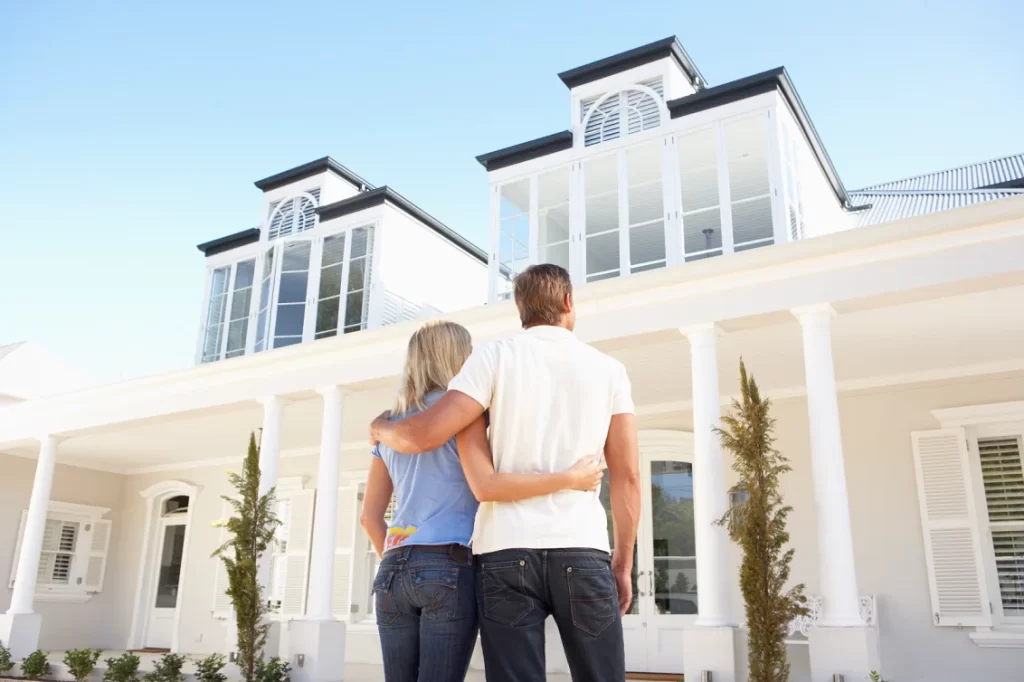
Choosing a beautiful dream house is a significant life decision that goes beyond mere brick and mortar. It’s about creating a haven that reflects your personality, meets your lifestyle needs, and stands as a testament to your aspirations. The process involves careful consideration of various factors, from location and architectural style to practicality and budget. This guide aims to help you navigate the exciting journey of selecting a beautiful dream house that aligns with your vision and enhances your quality of life.
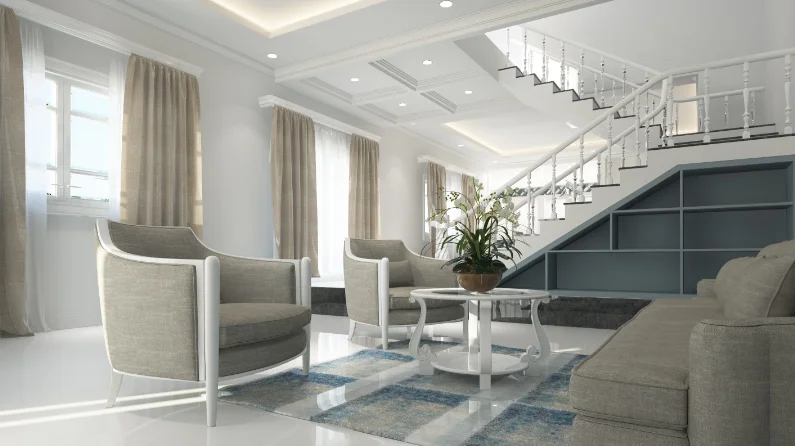
What Do You Consider to be a Beautiful Dream House?
The concept of a beautiful dream house is highly subjective and varies from person to person based on individual preferences, lifestyle, and priorities. However, there are typical or general features and ideas that many people might find appealing to their taste. We couldn’t decide what an ideal dream house would look like, so we asked several people and picked out one answer from the bunch.
Here’s the most interesting one:
Nestled on the edge of a pristine coastal cliff, my beautiful dream house stands as a testament to architectural elegance and natural beauty. The exterior, adorned with a harmonious blend of modern and coastal design elements, features expansive floor-to-ceiling windows that seamlessly merge the interior with breathtaking panoramic views of the azure ocean. The spacious, open-concept interior is bathed in warm natural light, highlighting the carefully curated mix of contemporary furnishings and rustic accents. A gourmet kitchen, equipped with state-of-the-art appliances, invites culinary adventures, while a cozy fireplace and plush seating areas create intimate spaces for relaxation. The master suite, a sanctuary of tranquility, boasts a private balcony overlooking the ever-changing seascape. The landscaped gardens, dotted with vibrant flowers and shaded alcoves, lead to a serene infinity pool, offering a perfect vantage point for sunset reflections. This dream house, with its thoughtful design, luxurious amenities, and connection to nature, is a haven where every moment is infused with a sense of serenity and wonder.
Define Your Lifestyle
Begin by introspecting and defining your lifestyle. Consider your daily routines, hobbies, and preferences. Are you someone who enjoys entertaining guests frequently, or do you crave solitude and tranquility? Understanding your lifestyle will guide decisions about the size, layout, and features of your beautiful dream house. A family with young children may prioritize a spacious backyard, while a working professional might value a dedicated home office space.
Location Matters
The old adage, “Location, location, location,” holds true when choosing a beautiful dream house. Consider factors such as proximity to work, schools, healthcare facilities, and recreational areas. Think about the climate and the local community vibe. Whether you desire the hustle and bustle of city life or the serenity of the countryside, the location sets the tone for your daily experiences and influences your overall well-being.
Architectural Style
The architectural style of your beautiful dream house is a crucial element in capturing the essence of your preferences. Whether you lean towards a modern, minimalist design or a classic, traditional aesthetic, the style should resonate with your personality. Explore different architectural styles, visit homes, and gather inspiration to identify what appeals to you most. Balancing aesthetics with functionality is key to creating a space that feels like home.
Budget and Financial Planning
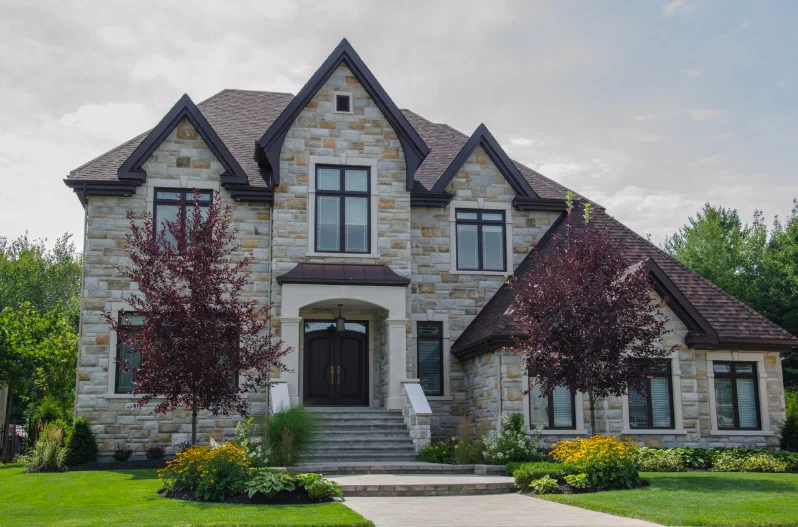
Dream houses come in various shapes and sizes, and so do their price tags. Establishing a realistic budget is essential to ensure you don’t compromise your financial stability. Consider not only the upfront costs but also ongoing expenses like maintenance, property taxes, and utilities. Consulting with financial experts and mortgage advisors will help you determine the budget that aligns with your financial goals.
Future-Proofing
Anticipate your future needs when choosing a beautiful dream house. While the present may only require a certain number of bedrooms, consider potential changes such as family expansion or evolving lifestyle preferences. Opting for a property that allows for future modifications or additions can save you from the hassle of moving when your needs evolve.
Energy Efficiency and Sustainability
In an era focused on environmental consciousness, choosing an energy-efficient and sustainable home is not just a trend but a responsible choice. Once upon a time, a typical beautiful dream house are those featured in Hallmark cards and magazines, but today beauty means both looking at the aesthetics and functionality of the house. Look for properties with features such as solar panels, energy-efficient appliances, and proper insulation. Not only will this contribute to a healthier planet, but it can also lead to long-term cost savings.
The 33 Different Popular House Styles in America
Any one of these house styles can be your very own beautiful dream house. All you need is a talented architect, a sustainability advisor and a good contractor to build the house for you. While there isn’t a universally agreed-upon list of exactly 33 house styles in America, as architectural styles can evolve and overlap, here’s a list of 33 popular and notable house styles found in the United States.
1. Colonial
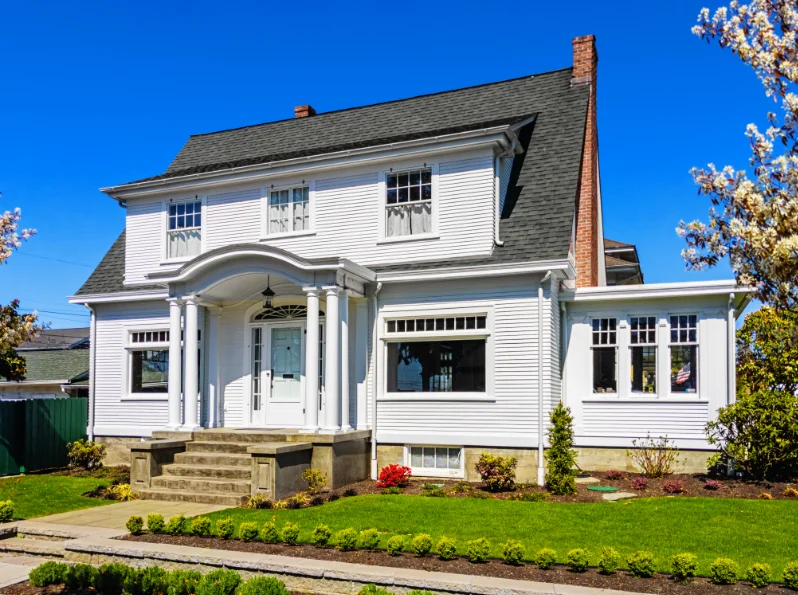
Having its origins deeply embedded in Colonial America, this architectural style gained prominence through 17th Century settlers who not only brought their European influences but also introduced their concepts of home design. Presently, the largest concentration of authentic Colonials can be found along the Northeast shore, where both the British and the Dutch constructed their own variations using materials such as brick, stone, and timber. Despite the evolution of this home style, identifying common features has become more challenging. However, if you focus on elements like pitched roofs, small windows, substantial chimneys, and symmetry, you will be on the right path. The prevalence of small windows can be attributed to the high tax on glass in the colonies. Therefore, if you come across a Colonial with numerous windows, it is likely not an original historic home. Do you want this house style to be your beautiful dream house?
2. Federal
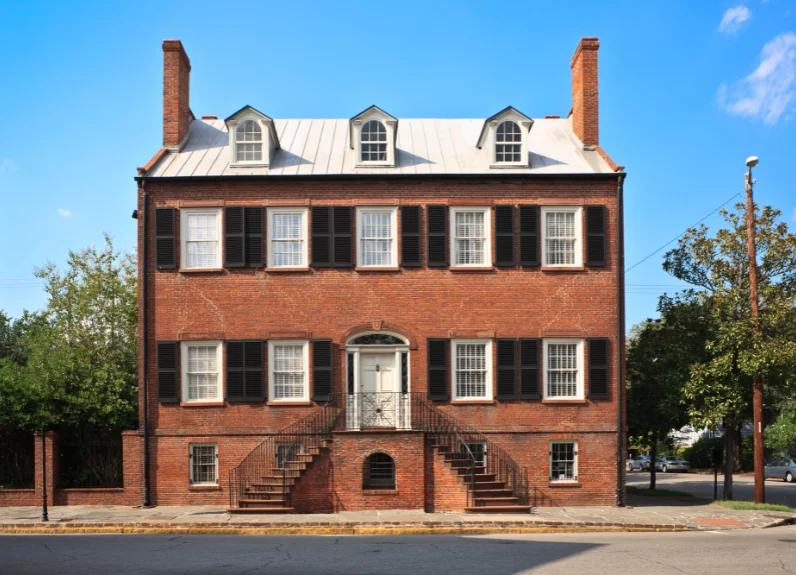
The Federal style is marked by its simplicity and elegance, typically seen in two- or three-story houses featuring a straightforward square or rectangular layout. These structures often include a well-balanced arrangement of wings and attached dependencies, creating a harmonious and proportionate aesthetic – a perfect candidate for your beautiful dream house. While some Federal-style homes may showcase more intricate designs with curves or polygonal shapes, they still contribute a unique and distinctive flair to the overall architecture. An important characteristic of the Federal style is its emphasis on understated decoration. In contrast to the more ornate Georgian style, Federal homes display simpler decorative elements.
This style is known for its:
- Geometric embellishments: Such decorations encompass elliptical, circular, and fan-shaped motifs, frequently crafted through the use of fluted radiating lines. These embellishments serve as a distinctive feature of the Federal style, showcasing the influence of ancient Greek and Roman design principles.
- Restrained exterior features: Federal homes typically exhibit minimal exterior adornment, with particular attention directed towards the porch or entryway. Columns and moldings on the facades are narrower and less intricate compared to those found in Georgian architecture.
- Uncomplicated interior layout: Interiors often mirror the simplicity observed in the exterior, prioritizing functional elegance and harmony.
3. Georgian
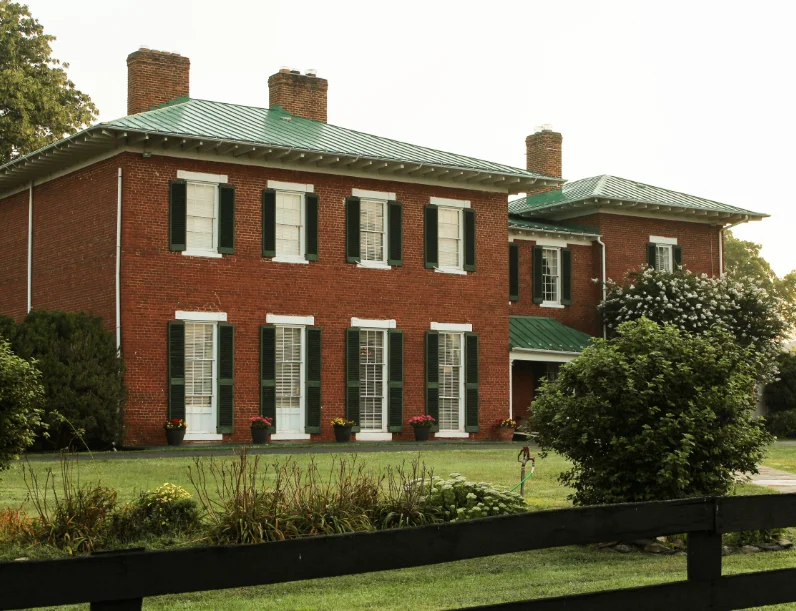
Georgian Architecture is characterized by its ordered and symmetrical designs, classically proportioned plans, central entryways, and classical detailing. These houses typically consist of a large central main body, smaller hyphens connecting to wings, and symmetrical wings. Floor plans are usually two rooms deep and one or two stories tall with various roof styles, such as gabled, gambrel, and hipped roofs. Georgian townhouses with narrow facades and deep linear plans were present in urban centers. Most homebuyers would often pick this house design to make their ideal beautiful dream house. The exterior facades commonly feature ornate central front doors with classical designs, including pediments, arched or broken pediments, and ogee caps. Some entryways may have glazed and paneled sidelights, while late examples might include covered porticos or porte-cocheres in Georgian revival homes.
4. Greek Revival
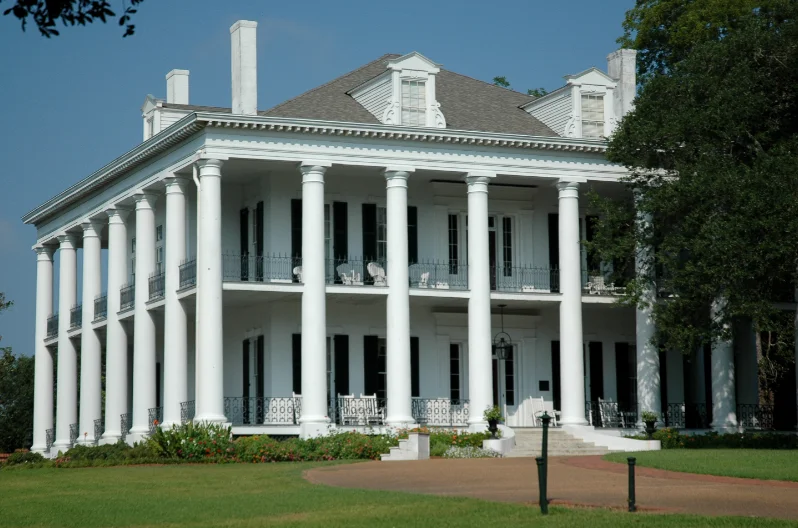
If you come across a residence resembling Scarlett O’Hara’s in the movie “Gone with the Wind,” you’ve discovered a Greek Revival House adorned with multiple columns, a horizontal transom, Greek-style moldings, and classic pediments. Originally constructed with stone, brick, and mortar, contemporary Greek Revival decorating features typically involve wood covered in plaster, painted white to enhance the illusion. Due to their low-pitched roofs, Greek Revival homeowners initially dealt with significant leaks when this architectural style first emerged. However, skilled restoration experts and the introduction of new housing materials have mitigated the challenges associated with owning a Greek Revival home.
5. Victorian
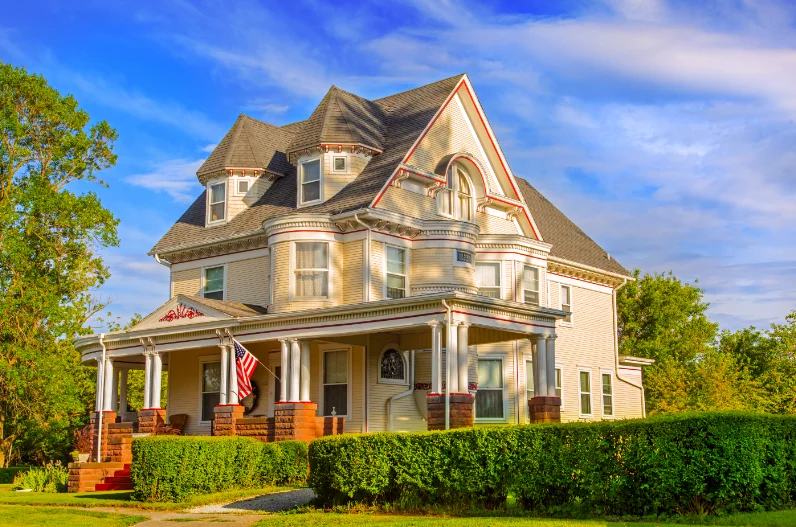
Named after Queen Victoria, this architectural style gained popularity among the wealthy who sought to showcase their societal status at the turn of the century. However, these houses are not uniform structures. Recognized for their ornate exterior detailing, including gingerbread styling and cupolas, as well as opulent interiors featuring thick velvet drapes and intricate furnishings, Victorians continue to serve as a symbol of prestige. First time homebuyers usually pick the modern house design or a traditional Victorian if it’s in the menu to have as their beautiful dream house that they’ll grow in. Distinguished by their distinctive silhouettes and influences from neo-classical design, Victorians stand out as one of the most easily recognizable residential styles globally. Often, their vibrant façade colors, playfully dubbed “Painted Ladies,” contribute to the enduring popularity of this house style well into the 21st century.
6. Queen Anne
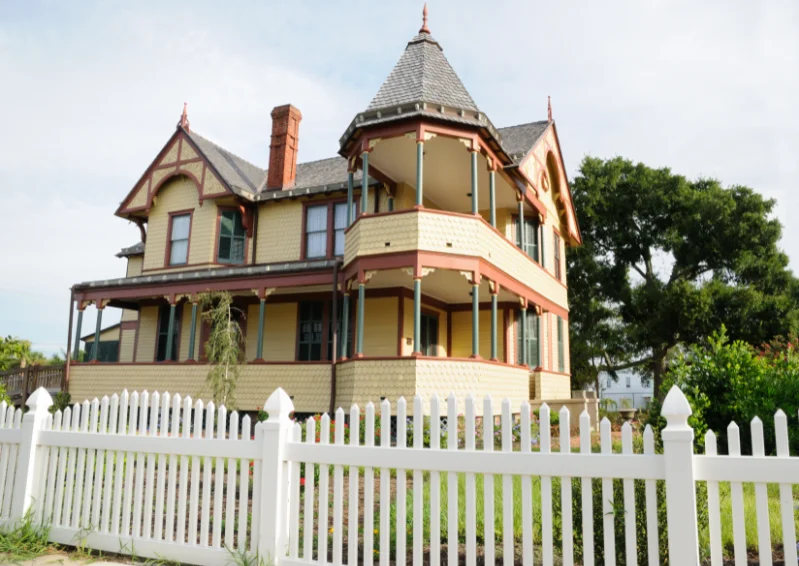
The Queen Anne style underwent a transformation from its early English origins to emerge as a uniquely American architectural style, showcasing numerous regional variations. An American innovation known as spindlework, a three-dimensional wood trim, became possible due to technological advancements in mass-producing wood trim and improved railroad transport. While the Queen Anne style can manifest in diverse forms, certain consistent elements are typically present. Queen Anne buildings commonly feature a steep roof with cross gables or large dormers, an asymmetrical front façade, and a spacious porch adorned with decorative wood trim. A distinguishing characteristic of many Queen Anne buildings is the presence of a round or polygonal front corner tower with a conical roof. The walls of these structures are often intricately decorated, displaying a variety of textures such as shingles, half timbering, panels of pebbles, or bas-relief friezes.
7. Gothic Revival
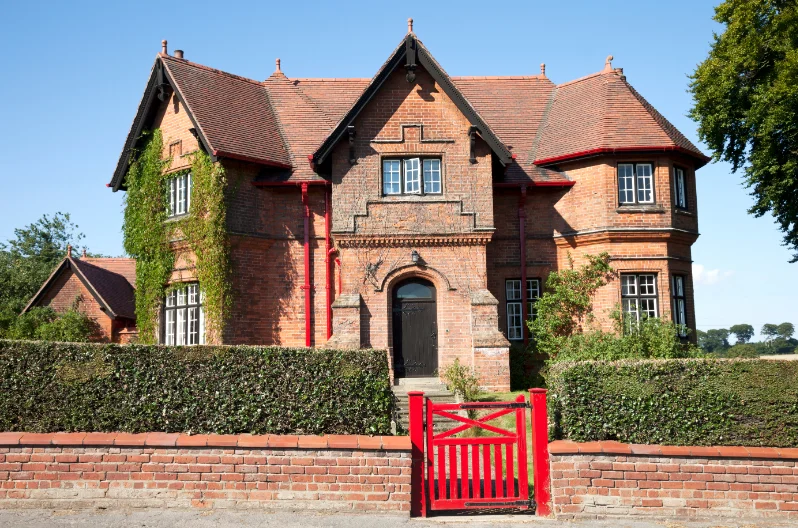
The Gothic Revival style is most easily recognized by its prominent use of pointed arches, employed for windows, doors, and decorative elements such as porches, dormers, or roof gables. Although usually associated with horror movies, this house style is actually a great choice for your beautiful dream house once you get used to it. Other distinctive features include sharply pitched roofs and front-facing gables adorned with delicate wooden trim known as vergeboards or bargeboards. This intricately incised wooden trim is commonly referred to as “gingerbread” and is the hallmark most closely associated with this architectural style. Gothic Revival buildings often include porches featuring ornamental turned posts or slender columns, with flattened arches or side brackets connecting the posts. Gothic Revival churches may not only incorporate pointed arch windows and porticos but also frequently showcase a Norman castle-like tower with a crenellated parapet or a lofty spire.
8. Italianate Style House
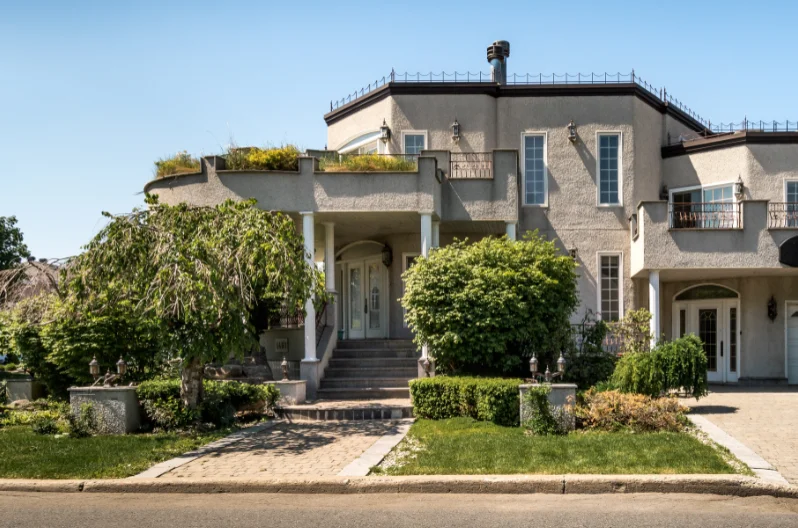
The Italianate Style House, prominent from the mid-19th to the early 20th century, is an architectural movement that draws inspiration from the villas and rural architecture of Italy. This style is characterized by a distinctive combination of ornate detailing and symmetrical proportions. One of its key features is the use of a low-pitched, hipped roof with wide eaves supported by decorative brackets. Tall, narrow windows with ornate crowns and elaborate moldings are common, and some houses feature prominent bay windows. The facades often showcase a variety of textures, with the use of smooth or rusticated stucco, brick, or stone. Additionally, Italianate houses frequently include prominent porches or balconies with intricate wrought-iron detailing. The overall effect is one of elegance and grandeur, and Italianate Style houses became particularly popular in the United States during the mid-19th century, leaving an enduring mark on the architectural landscape.
9. Second Empire/Mansard
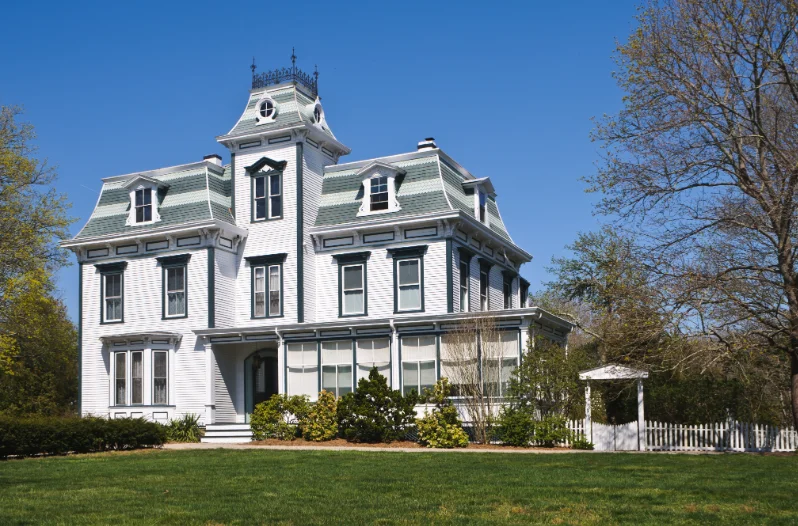
Named after Napoleon III and also known as French Second Empire, Napoleon III style, or mansard style, Second Empire architecture originated during Napoleon III’s reign in France from 1852 to 1870. Guided by the emperor, Paris underwent extensive reconstruction, transforming medieval alleys and structures into broad avenues and impressive monumental buildings. The impact of the Second Empire style extended beyond France, influencing architectural design across Europe and the United States. In the realm of public architecture, the mansard style exudes distinctive character and a sense of permanence. You don’t have to be a fan of Napoleon or classical architecture to choose this house style, it can be your beautiful dream house soon. Just yank the leg of the real estate agent and smooth talk your way to the bank or mortgage lender to get it. Typically, residences designed in this manner are spacious and intended for affluent homeowners, resembling an elaborate wedding cake. During its peak popularity in the United States, roughly from 1855 to 1885, the style was considered both fashionable and contemporary. This popularity sparked a widespread remodeling trend, with mansard roofs being incorporated into existing pitched-roof residences.
10. Stick Style
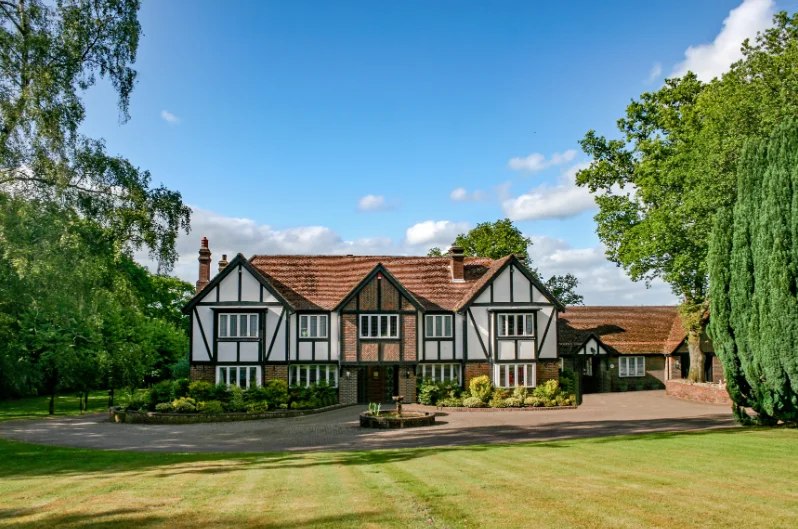
The Stick Style house, prominent in the late 19th century, is a distinctive architectural movement that evolved from the broader Victorian style. Notable for its expressive use of exterior wooden detailing, the Stick Style emphasizes both structural and decorative elements. One of its key features is the prominent use of vertical and horizontal wooden sticks, or “sticks,” often applied to the exterior to create a decorative framework. This framework sometimes mimics the look of half-timbering, even though the construction is often more for aesthetic appeal than structural necessity. Additionally, Stick Style houses frequently showcase steep gable roofs, overhanging eaves, and decorative trusses. Large, elaborate porches and balconies, supported by stickwork or turned posts, are also common. The Stick Style represents a departure from the ornate excesses of the Victorian era, embracing a more linear and simplified approach, while still retaining a sense of intricate detailing and visual interest.
11. Shingle Style
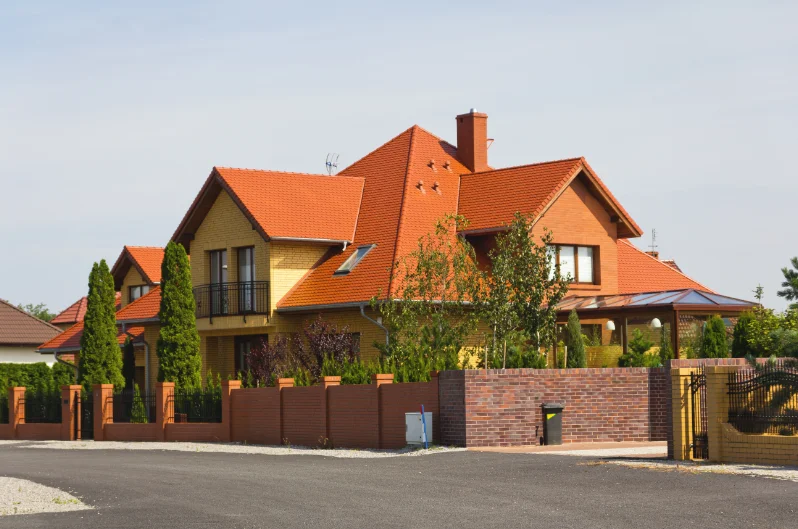
The Shingle Style house, emerging in the late 19th century in the United States, represents a departure from the elaborate ornamentation of the Victorian era, embracing a more relaxed and informal aesthetic. Characterized by its extensive use of wooden shingles, this architectural style often features a continuous, unadorned surface that wraps around the entirety of the structure. The Shingle Style emphasizes a harmonious integration with the surrounding landscape, employing asymmetrical designs, large porches, and complex rooflines to create a sense of organic unity. Originating in New England, the style gained popularity along the East Coast and eventually spread to other regions. Architects such as H.H. Richardson and Stanford White played key roles in popularizing the Shingle Style, and its enduring appeal lies in its ability to convey a sense of comfort, informality, and a connection to nature.
12. Richardsonian Romanesque
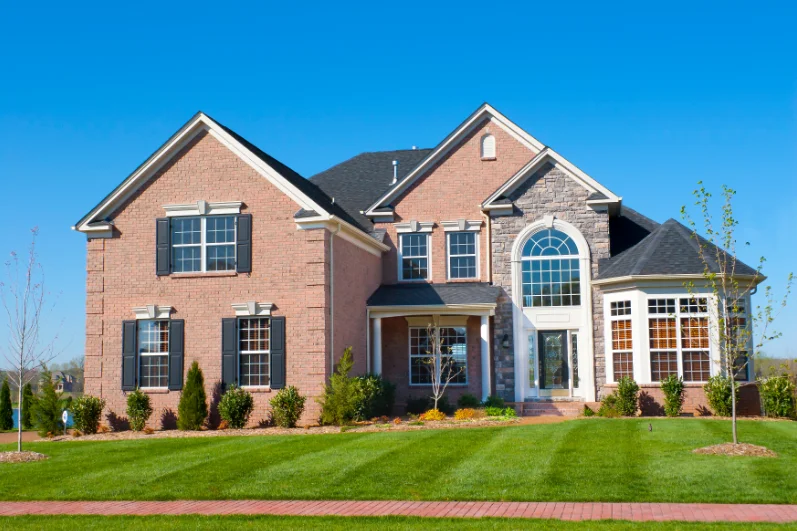
The Richardsonian Romanesque house style, popularized in the late 19th century, is a distinctive architectural expression named after its creator, renowned American architect Henry Hobson Richardson. Characterized by robust masonry construction, massive arches, and a prevalence of Romanesque-inspired elements, this style stands out for its substantial and visually commanding presence. The use of rusticated stone, rounded arches, and sturdy Romanesque detailing lends a sense of solidity and permanence to Richardsonian Romanesque homes. These residences often feature asymmetrical facades, prominent towers, and a combination of rough-hewn stone textures, creating a harmonious blend of strength and architectural elegance. Richardson’s influence extended across the United States, and his Romanesque style left an indelible mark on the architectural landscape, particularly in the construction of grand houses and public buildings during the late 19th and early 20th centuries. If you’re a fan of Roman architecture, then the Richardsonian Romanesque house style should be your pick for your beautiful dream house.
13. Craftsman Style
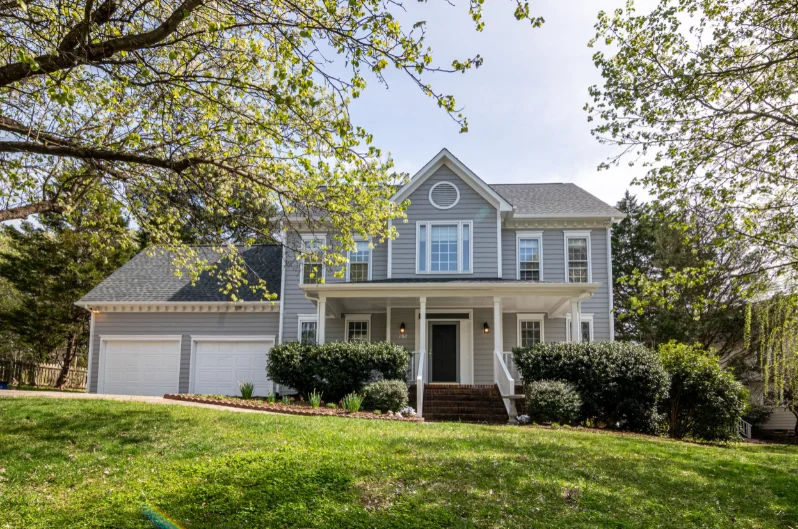
The Craftsman style emerged as an extension of the nation’s Arts and Crafts tradition, initially conceived as a response to the diminishing inclination in America to construct individual houses instead of housing tracts. This movement was spearheaded by a small group of pioneering architects. Key characteristics of this home design include spacious dormers, shingled siding, exposed wood, expansive front porches, rustic columns, exposed rafters, and low roof lines with broad, overhanging eaves. These homes, constructed from materials like brick, concrete, and occasionally stucco, are anchored by brick or stone footings. A defining feature of the Craftsman style is the extensive use of glass for windows, doors, and decorative panels. Architects were particularly focused on seamlessly integrating indoor and outdoor spaces, and what better way to achieve this than by constructing houses with ample glass, facilitating a harmonious connection between the interior and exterior.
14. Prairie Style
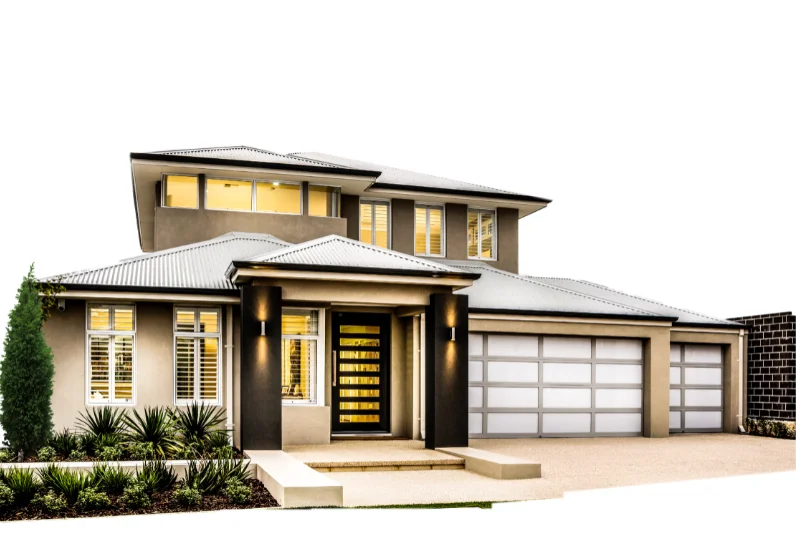
If you’re an admirer of Frank Lloyd Wright, the Prairie House needs no introduction—an architectural style characterized by a more horizontal orientation, utilizing organic materials. As one of the four house styles stemming from the Craftsman and Arts and Crafts movement, Prairie Houses represent a distinctly American phenomenon championed by Wright and his contemporaries. The primary goal of Prairie House architecture was to break away from European influences, envisioning uniquely American structures crafted from locally-sourced materials—simple, spacious, and organic. While Prairie houses may occasionally include a second story, they consistently feature a low-pitched roof, substantial chimney, and the distinctive “ribbons of windows” set into horizontal casements.
15. Bungalow
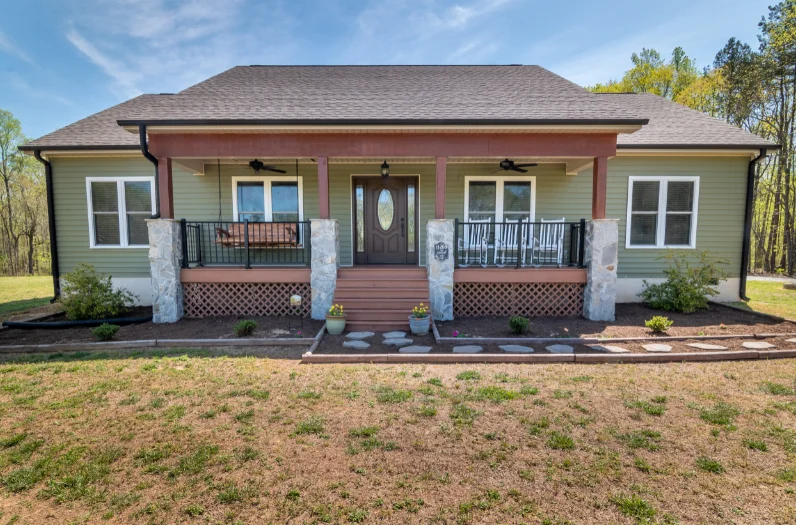
Over the years, petite bungalows have transformed into expansive residences that despite their simplistic nature, people consider as a beautiful dream house design. While homeowners can create a cozy atmosphere, adhering to specific building criteria is essential for a house to be accurately classified as a bungalow. According to AntiqueHome.org, bungalows are charming and affordable dwellings rooted in America’s Arts & Crafts movement and is probably the reason why many Americans often select this house style for their beautiful dream house. Architect Harry Saylor pioneered the bungalow style in the early 1900s, and all bungalows share distinct design elements. These include low-pitched roofs, spacious front porches, exposed rafters, built-in cabinetry, wainscoting, oversized fireplaces, and dormers. Interestingly, bungalows represent some of the earliest instances of open floor planning introduced in America and served as the inspiration for “kit homes” once sold by Sears and Roebuck.
16. Mission Revival
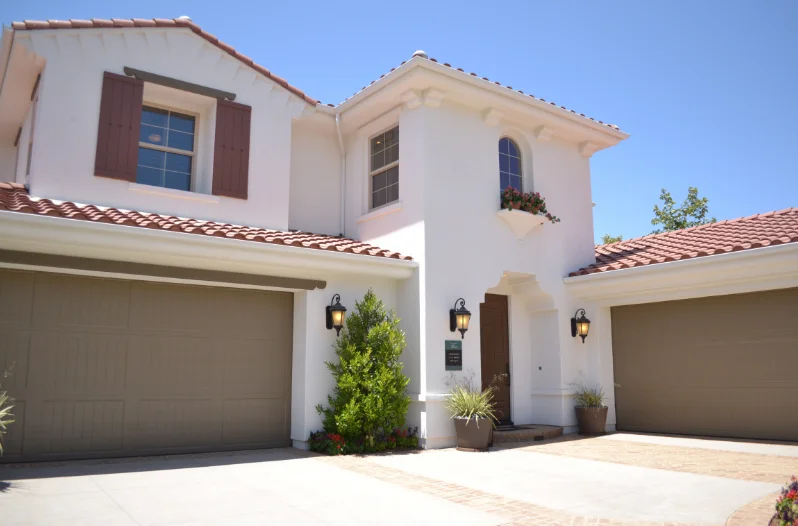
The Mission Revival house style emerged in the late 19th and early 20th centuries, drawing inspiration from the architecture of Spanish missions in the American Southwest and California. Characterized by its distinctive and romanticized interpretation of Spanish Colonial design elements, the Mission Revival style became popular in response to a renewed interest in the region’s history. Key features of Mission Revival houses include red clay tile roofs, stucco exteriors, and the use of decorative wrought iron details. The design often incorporates arched doorways, courtyards, and bell towers, reminiscent of the iconic mission structures. Asymmetry is a common feature, and windows are typically small and deeply set within thick walls. Mission Revival houses are known for their simple, earthy color palettes, reflecting the warm tones of the Southwestern landscape. This architectural style experienced a surge in popularity in the early 20th century, particularly in the American Southwest, and continues to be appreciated for its distinctive blend of historical and regional influences.
17. Spanish Colonial Revival
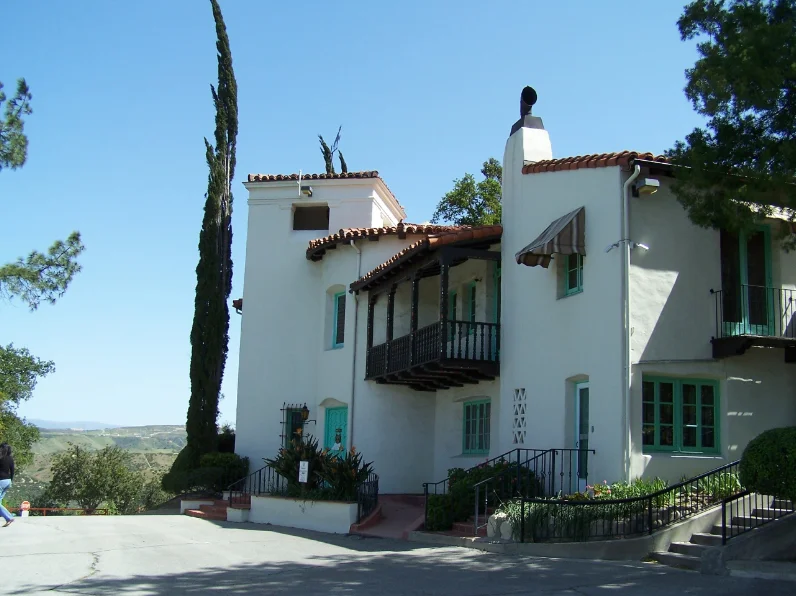
Delve into the history of Spanish architecture, and you will discover a fusion of Roman, Iberian, and Mediterranean influences that pervade homes of various sizes. Originating in Cordoba, the architectural styles of 15th-century Europe and Arabia left a profound impact on building design, resulting in the diversification of Spanish residential architecture into two distinct categories: Spanish Revival and Colonial. The former showcases classic stucco walls, red-tiled roofs, covered porches, balustrades, triple-arched windows, and ornate embellishments. Spanish Colonials, on the other hand, are often constructed using local materials like adobe clay and are characterized by Baroque-style trim, flat roofs, and elements borrowed from Native American aesthetics. This house design is common in New Mexico, California and parts of Texas. If you live in these states, the spacious and elegant design of a Spanish Colonial Revival home would definitely be a good choice to have as your beautiful dream house.
18. Tudor Revival
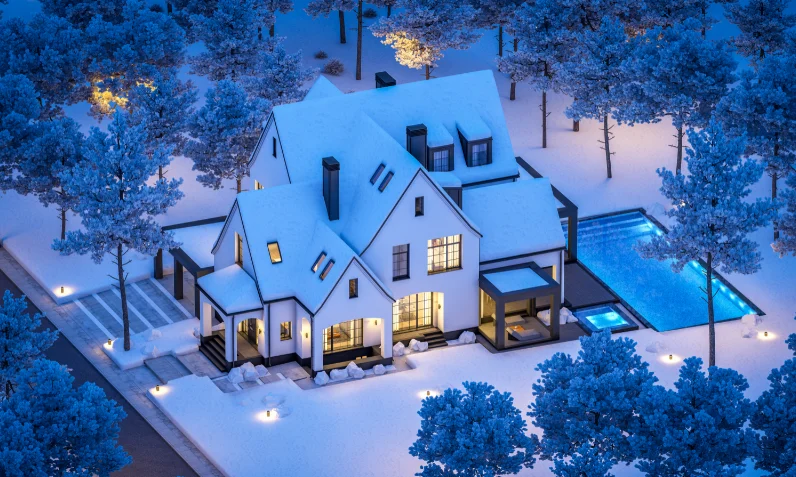
The Tudor House made its debut in the housing landscape around 1890 and maintained its popularity through the 1940s. Tudor homes are characterized by features such as brickwork, decorative stone facades, gable roofs, and masonry or stucco finishes. Builders adorned the exteriors with half-timbers, and historians particularly highlight intricate masonry chimneys, the use of weatherboard, and shingled walls. You can identify Tudor houses by groups of casement windows framed in wood or metal, arranged in rows of three or more. These windows often feature diamond patterns interspersed with sections of leaded glass, situated beneath the main roof gable of a Tudor home. Keep an eye out for large bay windows and distinctive details like black metal hardware on doors and windows, board and batten doors, and custom-cut stone pieces embedded into brick walls.
19. Colonial Revival
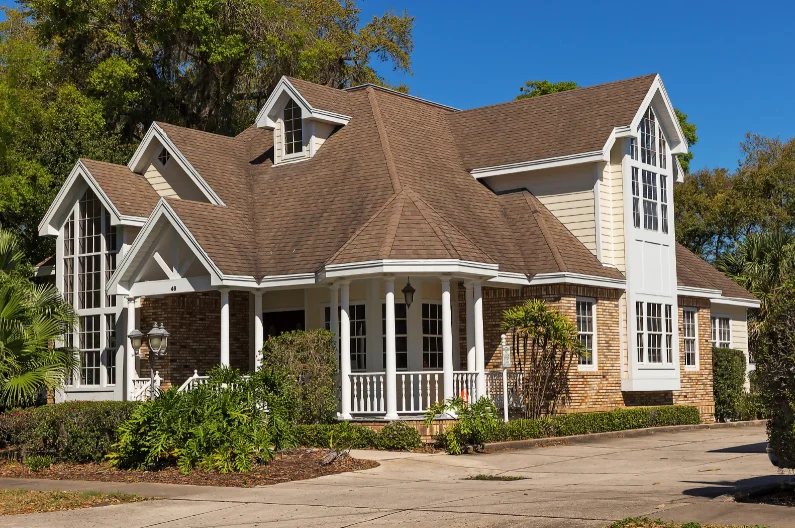
Although Colonial-Revival homes drew inspiration from British, French, Dutch, and Spanish architecture, the style has evolved into a distinctly American form that has endured over time. While the 1940s saw the peak popularity of this style, both private and public-sector structures, such as schools, libraries, and government buildings, continue to embrace this traditional design. In contemporary suburban developments, newly constructed homes are frequently referred to as “Neo-Colonial.” This style modernizes and streamlines Colonial-Revival elements and is prevalent in subdivisions throughout the country.
20. Neoclassical
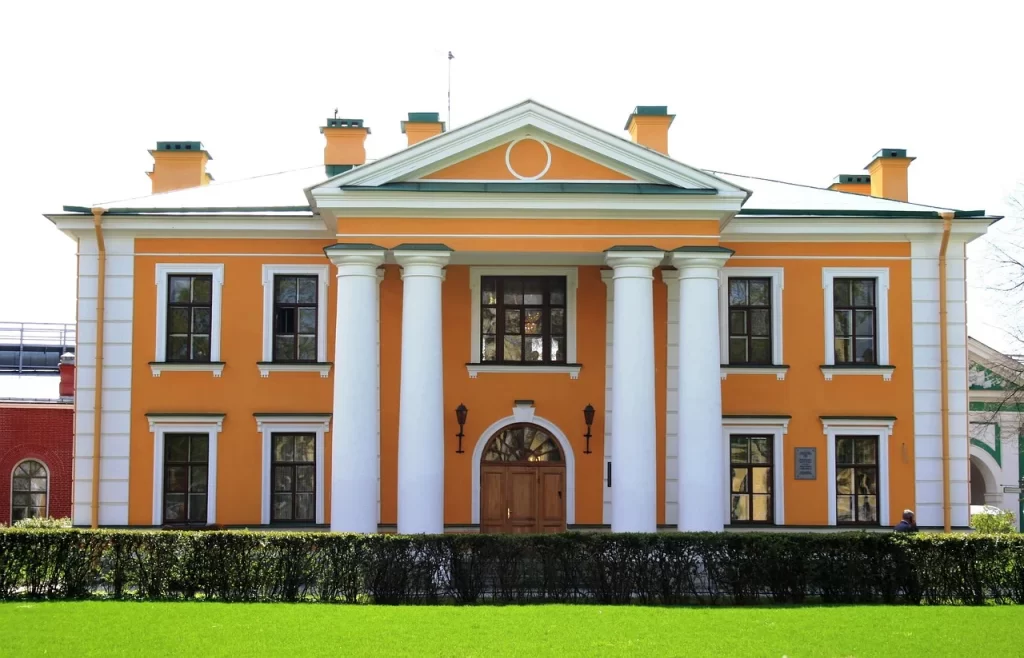
The Neoclassical architectural style accentuated both class distinctions and the pursuit of symmetry and balance in design. A majority of these formal and imposing residences were concentrated along the East Coast, characterized by brick construction that extended seamlessly from foundation to roof. The Neoclassical home typically featured tall columns, often in the Doric style, and evenly spaced windows with decorative shutters, emphasizing a sense of precision. The entryway of these homes received particular attention, with a triangular design element commonly found above the doorway. Elaborately carved architectural bas-relief decorations and pediments adorned each side of the door. To gain insight into this classic house style, one can study iconic examples such as Thomas Jefferson’s Monticello or the U.S. Supreme Court building.
21. French Provincial Style
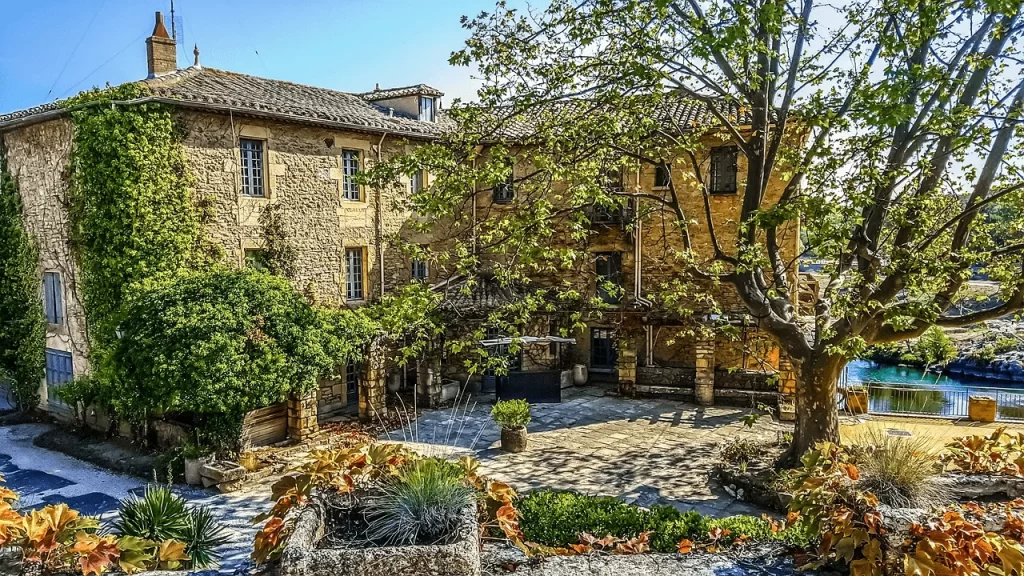
As 17th-century French commoners admired the Manor Homes owned by the nation’s elite, architects found inspiration to create affordable residences that were equally stylish and fanciful but without the exorbitant price tags. The culmination of their endeavors is evident in today’s French Provincial-style homes, characterized by steep slate roofs, brick construction, porches adorned with balustrades, and symmetrical lines. Some homebuyers may mistakenly conflate French Provincial with French Normandy, yet the two styles differ significantly. French Provincial homes exude simplicity and charm. In contrast, French Normandy residences are grandiose, featuring imposing towers and elaborate embellishments. French Provincial home construction often incorporates a blend of stucco and brick, with dramatically pitched roofs. These homes boast quaint awnings and copper trim, showcasing how architects succeeded in creating manors for the masses.
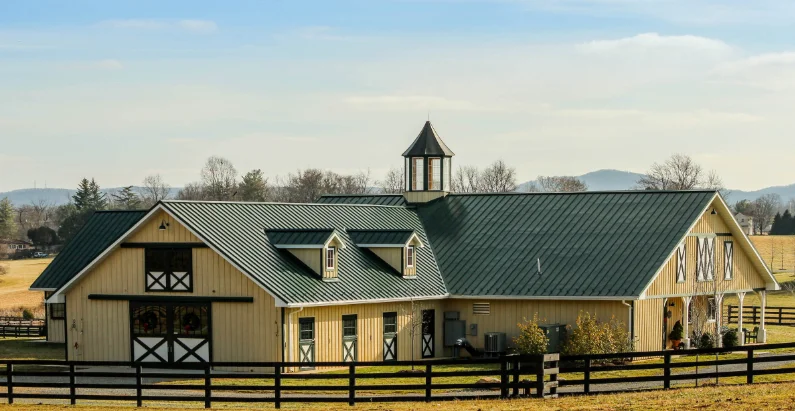
22. Ranch Style
The emergence of the ranch house on the U.S. real estate scene can be traced back to the 1930s, fueled by homeowners’ desires for affordable, low-maintenance homes designed for relaxed living. Delving into early Western ranch layouts reveals a connection to America’s rural history. The ranch house is characterized by straightforward designs and open interior spaces, along with extensive window panels. California developer Cliff May is credited as the progenitor of this style. His vision, focused on infusing homes with sunlight and fresh air, continues to be revered. This is especially true today, as young couples on a budget and downsizing retirees seek the simplicity of single-story living. Builders of ranch homes recognize the crucial roles played by yards, porches, and garages in the overall design. Despite their compact and orderly nature, homeowners receive substantial value for their investment.
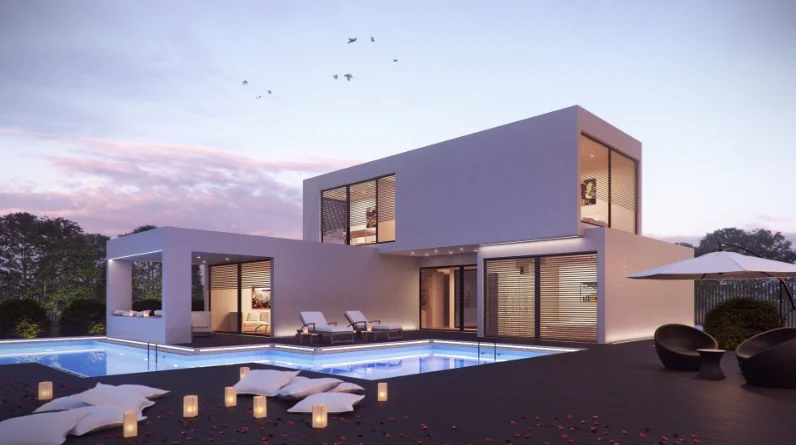
23. Modern Style
Are you perplexed about distinguishing between a modern home and a contemporary one? You’re not alone. According to experts, a modern house typically refers to residences constructed from the turn of the century to the 1950s, though these homes may not appear modern by today’s standards. Architects and home developers coined the term “modern” to describe houses characterized by horizontal exteriors, extensive use of glass, and the inclusion of “intentional asymmetry.” Modern homes are characterized by their sleek, straightforward designs, lack of embellishments, and use of organic materials. The pioneer of modern architecture, Ludwig Mies van der Rohe, deliberately incorporated elements of nature into his modern house designs, although over time, the definition has expanded beyond his original concepts.
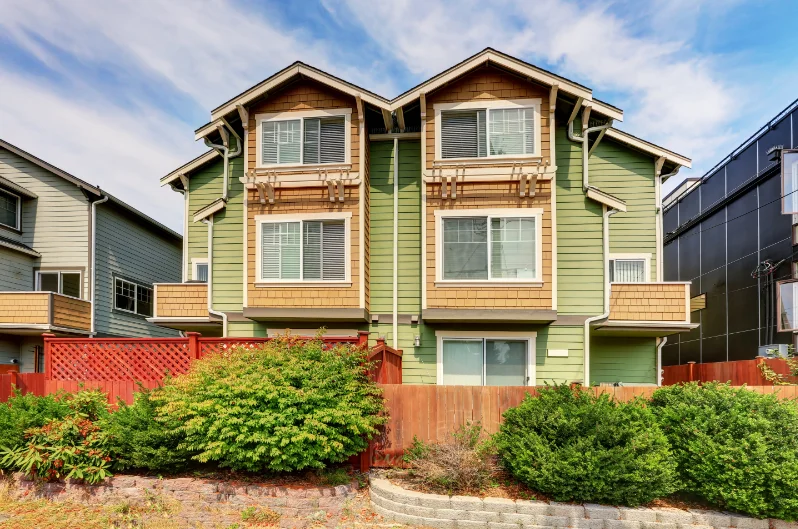
24. Duplex
A duplex comprises two connected living units, sharing either a common wall or roof. These units can be arranged side by side or stacked on top of each other, constituting a single real estate property situated on one parcel of land. Similar to a single-family home, a duplex has a sole owner who may choose to rent out both units or reside in one while renting out the other. In urban settings, a duplex may take the form of a single dwelling with two floors. Each floor serves as an independent living unit, and a small foyer or hallway may facilitate access to the lower unit’s front door and stairs leading to the upper unit.
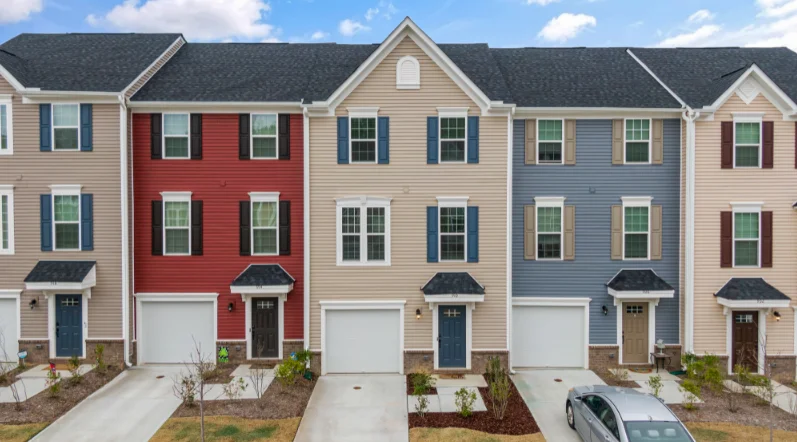
25. Townhouse
26. Single Family Home (Detached)
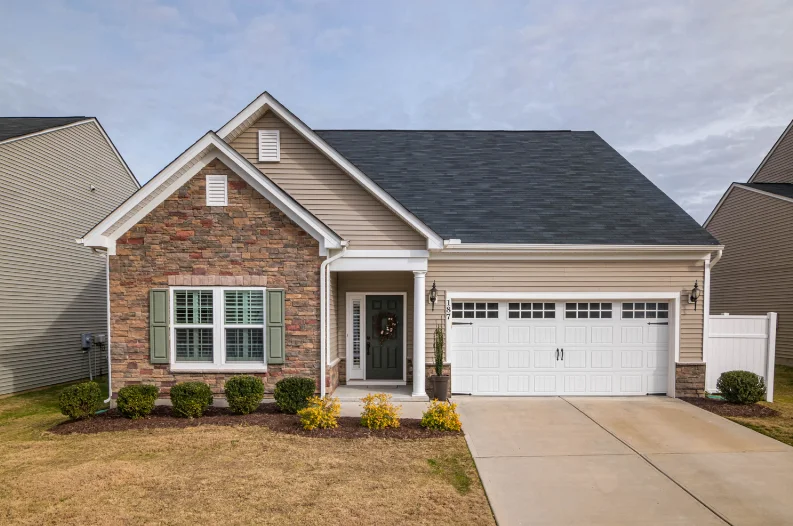
The most prevalent form of residential property is the single-family home, designed to accommodate a sole family as its exclusive dwelling unit. To meet the criteria as a single-family home, the property must be detached, ensuring it has no shared walls or roofs with neighboring homes or properties. Additionally, it should be constructed on an individual parcel of private land with direct access to the street. Further specifications include having a single set of utility services exclusive to the residence, along with a solitary kitchen. These homes may also feature their own garage, shed, or driveway. Since they are situated on independent parcels, most single-family homes come with yards, providing space for gardens and children’s playsets.

27. Container House
A dwelling created from a steel shipping container is referred to as a container house, contributing to the growing trend of sustainable living. These homes, owing to their compact size and utilization of existing materials, typically incur lower energy costs compared to conventional single-family homes. Similar to mobile homes, some container houses are prefabricated and then transported to a designated site for installation, be it a mobile home park or an individual parcel of land. Container houses can be crafted from one or more shipping containers and come in a variety of designs and layouts. A single container typically offers around 100 square feet of space. Additional living space is frequently incorporated, utilizing the shipping container as the foundational structure for the remainder of the home.

28. Houseboat
A houseboat is a vessel equipped with the amenities of a traditional house. A smaller houseboat may feature basic conveniences resembling a one-room apartment, while luxury houseboats encompass all the elements of a spacious single-family home. These upscale variations often include a complete kitchen, living area, dining space, as well as multiple bedrooms and bathrooms. Houseboats are commonly moored and anchored to privately-owned land. Alternatively, there are motorized houseboats capable of navigating on water. In certain regions, such as North America, houseboats are primarily utilized as vacation homes. However, in parts of Europe, houseboats frequently serve as permanent residences.
29. Log Cabin
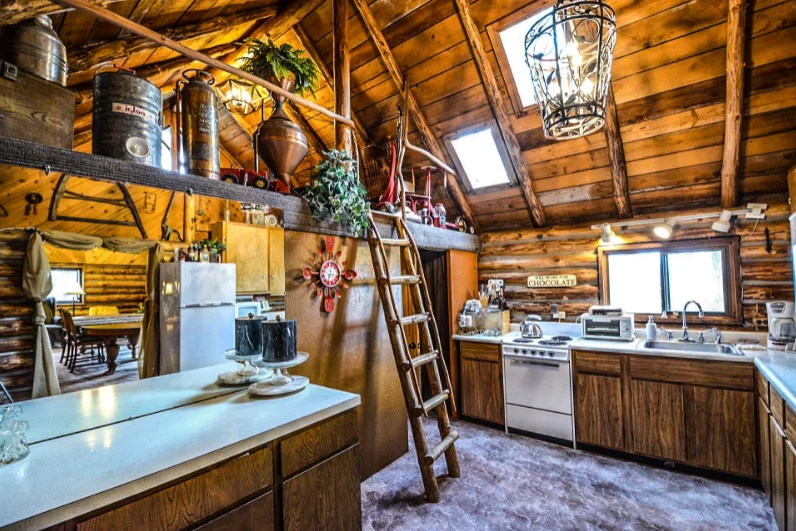
While the Victorian-style home may hold a special place in the hearts of Brits, in the United States, there is nothing that compares to the affection people have for the log cabin. Emerging on the prairie as pioneers moved westward, the log cabin proved to be practical, romantic, and relatively straightforward to construct, provided a steady supply of lumber was available. Typical log homes exhibit distinctive features, including exposed logs, rafters, and beams, as well as timber posts embedded in stone bases. Truss work is often seen on eave overhangs, accompanied by low-pitched roofs. Due to the simplicity of log cabin construction, builders emphasize horizontal lines and pay attention to small details like window banding. Despite their humble origins, these charming homes have undergone significant transformations over time; some of today’s log cabins are anything but simple!
30. Farmhouse
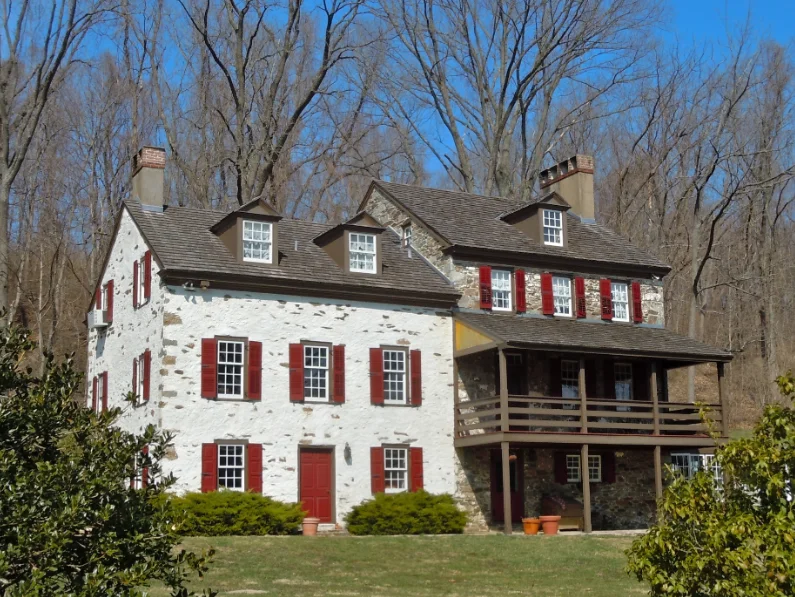
vIs it necessary to own 40 acres of land and a barn capable of housing chickens, cows, and goats to classify a dwelling as an authentic farmhouse? Not in contemporary times. While original farmhouse examples can be traced back to the Northeast, where settlers first arrived on U.S. shores, they truly flourished in the Midwest, where agriculture remains a major industry. Additionally, farmhouses are prevalent in the countryside in the UK, as depicted in the image above. Farmhouses can be either one or two stories, often taking on a box-like shape. However, the shape can be deceiving—walls were thick and robust, offering protection against harsh Midwest winters, and interiors could be cozy if farm families invested time in decorating. Evolving over time, farmhouses have incorporated various architectural styles, with Victorian, Georgian, Greek Revival, and even Modern Farmhouse designs now gracing the landscape.

31. Carriage/Coach House
A carriage house or coach house typically functions as a secondary dwelling on the same property as the primary structure, such as a single-family home. Originally constructed to accommodate horse carriages or stagecoaches, these buildings evolved as automobiles replaced horses for transportation. Consequently, many carriage houses were repurposed into secondary living units, often serving as guest houses or rental units. Additionally, secondary, detached residences erected on the same lot as the main dwelling are commonly referred to as carriage houses. It’s important to note that the terms “carriage house” or “coach house” should not be confused with “carriage home,” a marketing term denoting single-family homes built on a communal lot or a lot of just sufficient size for the home.
32. Mansion
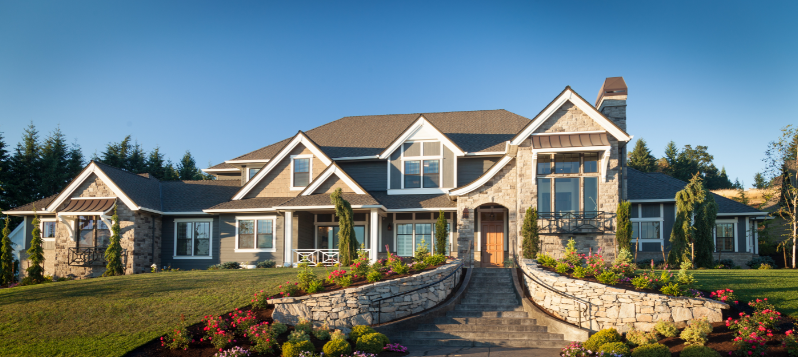
The mansion serves as more than just a dwelling; it also serves as a symbolic representation. Is size a crucial factor? Well, that depends on who you inquire with. Some real estate agents categorize any abode spanning 5,000 square feet as a mansion, while others insist that a residence must exceed 8,000 square feet to earn that title. In affluent neighborhoods, a home must surpass 20,000 square feet to be considered a mansion. How can one determine if a home qualifies as a mansion given such a disparity in size? One can assess the residence’s extravagant features. Mansions typically boast numerous bedrooms and specialized areas such as home theaters, wine cellars, game rooms, and gyms. It’s not uncommon for mansions to feature multiple kitchens and an ample number of bathrooms fit for royalty. Needless to say, the materials used in constructing mansions must adhere to the highest standards of quality.
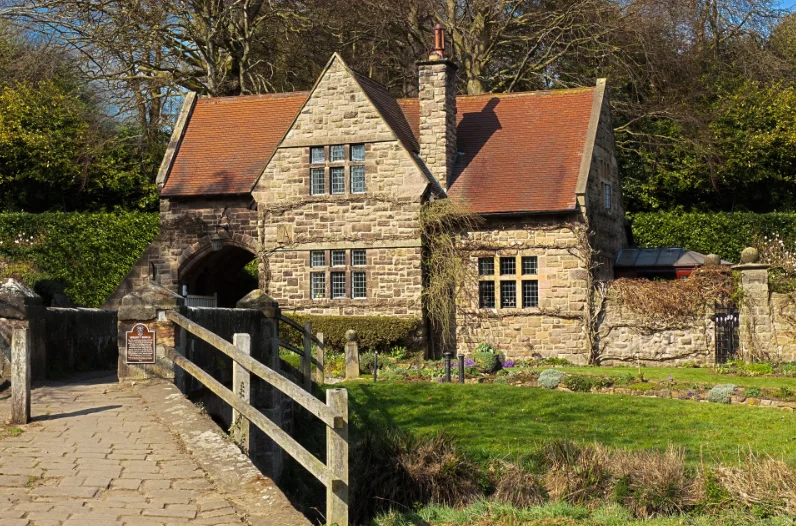
33. Cottage/English
Is English a prerequisite for a dwelling to be considered a cottage? Not according to architects specializing in this charming style, which features quaint exterior facades and, if prospective homeowners are lucky, a quintessential English garden to complete the scene. In terms of construction, cottages are typically built using the materials available in the surrounding area, with wood, stone, and thatch being among the most popular choices. Although the term “cottage” originally denoted a “house with ground floor living space and upper floor of one or more bedrooms under eaves,” these structures initially served as residences for agricultural workers, known as cotters, in need of housing. Contemporary cottages, found worldwide, are universally described as cozy and idyllic, regardless of their geographical location.
Closing Notes
Choosing a beautiful dream house is a deeply personal and rewarding journey. By carefully considering your lifestyle, location, architectural style, budget, future needs, and sustainability, you can make an informed decision that aligns with your vision. Remember that your dream house is not just a structure; it’s a canvas for your aspirations and a place where memories are made. Take the time to explore, envision, and, ultimately, turn your dream into reality.