

The real estate market is a dynamic and ever-changing landscape, influenced by a myriad of factors such as economic conditions, demographics, and technological advancements. As we navigate the complexities of the modern world, it is essential to stay abreast of the emerging trends shaping the real estate market. In this article, we will explore some of the key trends that are reshaping the real estate industry.

Rise of Remote Work and Flexible Spaces
The global shift towards remote work has had a profound impact on real estate trends. With an increasing number of individuals working from home, there is a growing demand for flexible living spaces that accommodate both work and leisure. This has led to a surge in interest in properties with home offices, dedicated workspaces, and communal areas conducive to remote collaboration.
Sustainable and Eco-Friendly Developments
Environmental consciousness is influencing real estate choices, with a growing emphasis on sustainable and eco-friendly developments. Buyers and investors are increasingly seeking properties equipped with energy-efficient features, green building materials, and eco-conscious designs. This trend not only aligns with environmental goals but also enhances the long-term value of properties.
Technology-Driven Market Solutions
Advancements in technology continue to transform the real estate market. From virtual property tours to blockchain-based transactions, technology is streamlining processes and improving accessibility. Technology has always been at the forefront of emerging trends – including in the real estate sector. The integration of artificial intelligence, big data analytics, and smart home technologies is becoming commonplace, enhancing the overall efficiency and user experience in the real estate sector.

Rise of Secondary and Emerging Markets
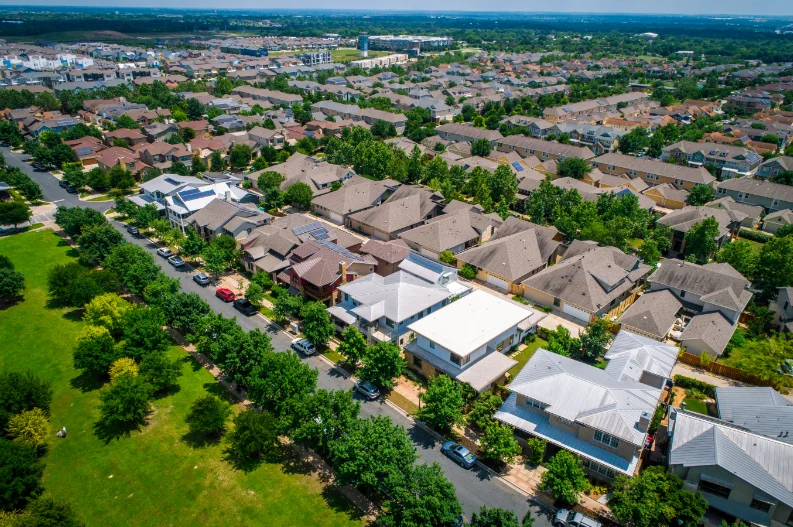
Traditionally overlooked secondary and emerging markets are gaining attention as urban centers become more congested and expensive. People are exploring opportunities in smaller cities and suburban areas, drawn by lower costs of living, improved quality of life, and the potential for higher returns on real estate investments. This trend is reshaping the geographic landscape of real estate hotspots.
The Best Part of the Emerging Trends in the Real Estate Market is Affordable Housing Initiatives
The shortage of affordable housing is a persistent challenge in many regions. Governments, real estate developers, and investors are increasingly focusing on affordable housing initiatives to address this issue. Creative solutions, such as public-private partnerships and innovative financing models, are being explored to make homeownership more accessible to a broader demographic.
Demographic Shifts and Aging Population
Demographic changes, including an aging population, are influencing real estate trends. The demand for senior living communities, age-friendly housing designs, and healthcare-oriented developments is on the rise. Real estate professionals are adapting to cater to the unique needs of an aging population, creating opportunities for growth in specialized markets.

Co-Living and Co-Working Spaces
The rise of the sharing economy has extended into real estate, with the popularity of co-living and co-working spaces. Millennials and Gen Z, in particular, are drawn to communal living arrangements that foster social connections and shared resources. Developers are responding to this trend by designing properties that offer a blend of private and communal spaces.
This rather unexpected part of the emerging trends in real estate may have positive consequences.
Related article: Emerging Trends in the Real Estate Market
Data-Driven Decision Making
Data analytics is becoming an integral part of real estate decision-making. Professionals are leveraging big data to assess market trends, predict property values, and identify investment opportunities. The use of predictive analytics is helping investors and developers make informed choices, reducing risks and optimizing returns.
Flexible Financing Options
In response to changing economic conditions, there is a growing demand for flexible financing options in the real estate market. Creative financing models, such as rent-to-own arrangements and shared equity programs, are gaining popularity. These options provide greater flexibility for buyers and investors, opening up opportunities for those who may face traditional financing challenges.
Focus on Health and Well-Being
Recent global events have underscored the importance of health and well-being in the design and selection of real estate. Features such as ample green spaces, wellness amenities, and health-conscious building designs are becoming priorities for both residential and commercial properties. The integration of health and wellness considerations is likely to be a defining factor in future real estate developments.
The real estate market is in a state of constant evolution, shaped by economic shifts, societal changes, and technological advancements. Staying informed about emerging trends is crucial for industry professionals, investors, and anyone navigating the real estate landscape. As we move forward, these trends will continue to redefine the way we live, work, and invest in real estate. By embracing innovation and adaptability, stakeholders can position themselves for success in this ever-evolving market.