
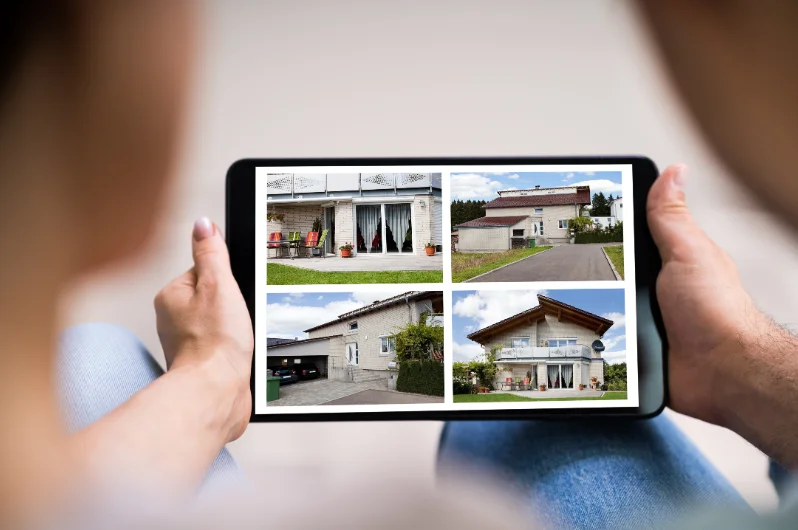
In recent years, the real estate industry has undergone a transformative evolution, thanks to groundbreaking technological innovations. From artificial intelligence to virtual reality, these advancements are reshaping the way we buy, sell, and manage properties. In this article, we will explore the key real estate technology innovations that are revolutionizing the industry.

Blockchain in Real Estate Transactions
Blockchain technology has gained prominence in real estate for its ability to enhance transparency and security in transactions. Smart contracts on blockchain platforms facilitate secure, automated, and decentralized property transactions, reducing the need for intermediaries and minimizing the risk of fraud.
Artificial Intelligence (AI) in Property Valuation
AI algorithms are being increasingly utilized for property valuation. These advanced systems analyze a myriad of data points, including market trends, comparable property prices, and economic indicators, to provide more accurate and timely valuations. This not only streamlines the valuation process but also helps in making informed investment decisions.
Virtual Reality (VR) and Augmented Reality (AR) for Property Tours
Virtual and augmented reality technologies have transformed the way potential buyers experience properties. Virtual property tours allow buyers to explore homes remotely, providing a realistic and immersive experience without physically visiting the location. This not only saves time but also expands the reach of property listings to a global audience.
Big Data for Market Analysis
Big Data analytics has become an invaluable tool for real estate professionals. By harnessing vast amounts of data, including demographic information, market trends, and economic indicators, real estate professionals can make data-driven decisions, identify investment opportunities, and gain a deeper understanding of market dynamics.
Internet of Things (IoT) in Smart Homes
The Internet of Things has found its way into real estate through smart home technology. IoT devices, such as smart thermostats, security systems, and automated lighting, enhance the functionality and efficiency of homes. These features not only appeal to tech-savvy buyers but also contribute to energy conservation and increased property value.
Perhaps the Most Amazing thing to Happen in Real Estate Technology Innovations is the Use of 3D Printing in Construction
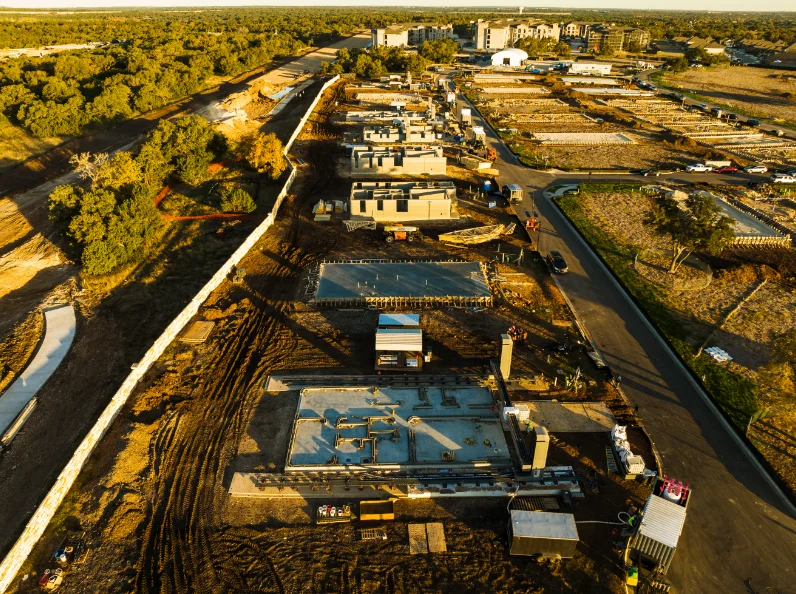
Innovations in construction technology, particularly 3D printing, are revolutionizing the way buildings are constructed. This technology allows for the rapid and cost-effective construction of homes and commercial properties. 3D-printed structures can be customized to meet specific design requirements, providing a sustainable and efficient alternative to traditional construction methods.
Try reading also: A Strategic Guide to Prepare for Your Mortgage Down Payment

Predictive Analytics for Investment Strategies
Predictive analytics leverages historical data and machine learning algorithms to forecast future trends. In real estate, this technology aids investors in making informed decisions about property investments. By analyzing factors such as neighborhood growth, infrastructure development, and economic indicators, predictive analytics helps investors identify high-potential areas for real estate development.
Automated Property Management Systems
Property management has become more efficient with the advent of automated systems. These platforms streamline tasks such as rent collection, maintenance scheduling, and communication with tenants. Automated property management not only saves time for property owners but also enhances tenant satisfaction through improved service delivery.
Drone Technology for Property Inspections
Drones have become a valuable tool for property inspections. Real estate professionals use drones to capture high-resolution aerial images and videos of properties, providing a comprehensive view of the surroundings. This technology is particularly useful for assessing the condition of roofs, facades, and large plots of land.
Chatbots and Virtual Assistants for Customer Service
Customer service in real estate has been enhanced by the integration of chatbots and virtual assistants. These AI-powered tools can handle inquiries, schedule appointments, and provide information about properties, freeing up human agents to focus on more complex tasks. This not only improves efficiency but also enhances the overall customer experience.
As technology continues to advance, the real estate industry will undoubtedly undergo further transformations. These innovations not only improve efficiency and convenience but also open up new possibilities for investors, buyers, and sellers. Embracing these technological advancements is crucial for staying competitive in an ever-evolving real estate landscape.