
In the intricate tapestry of economic challenges facing the United States, two threads have recently gained considerable attention: the housing shortage and inflation. While both are critical issues with far-reaching consequences, a closer examination reveals that the housing shortage presents a more imminent and potentially devastating threat than inflation.
Freshly published governmental statistics reaffirm what has been evident for at least a year: It’s the national housing shortage, not widespread price surges, that is fueling inflation.
In the past year, inflation stood at 3.1% — a significant drop from 2021 but still at a level prompting the Federal Reserve to maintain elevated interest rates. However, unlike the inflationary surge witnessed soon after the onset of the pandemic, the recent uptick has been predominantly attributed to the escalating costs within the category of “shelter,” encompassing both actual rental expenses and the estimated rent applicable to owner-occupied residences, as classified by the Consumer Price Index.
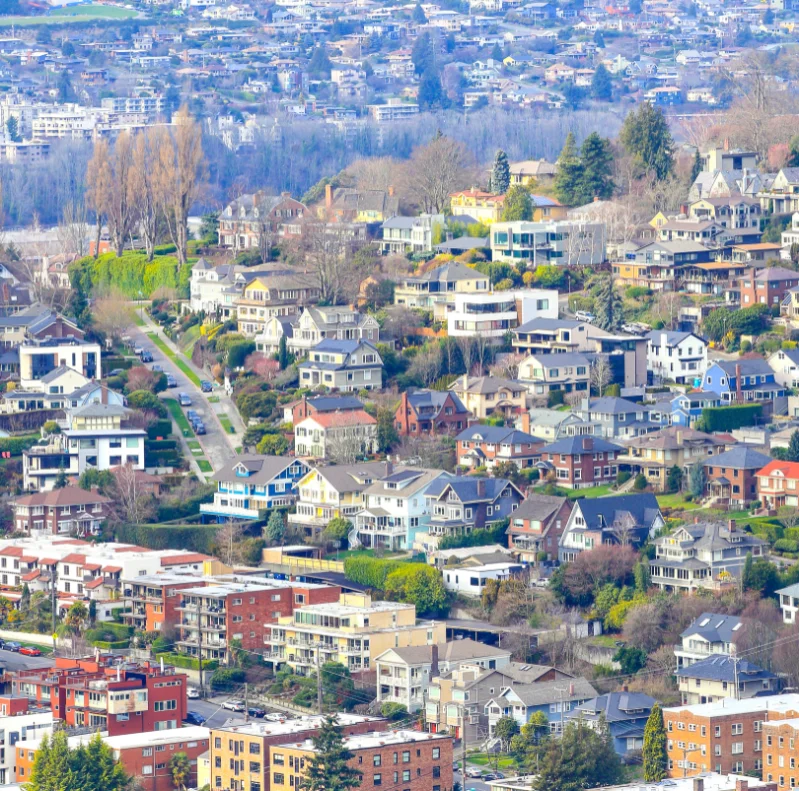
U.S. Housing Shortage Worries Experts
Since the beginning of last year, the majority of prices have shown sluggish growth or remained stagnant. Goods, referring to the physical items we purchase, have essentially maintained their prices, with a mere 0.1% increase. Food inflation, which has been a source of concern for many households post-pandemic, stood at less than 3%. Furthermore, certain price categories have actually seen a decrease: Household energy prices have dropped by 2.4%, and car prices have dipped just over 1%. Overall, excluding housing, inflation has been a modest 1.5%, a level that would have allowed the Fed to declare success had housing prices followed historical trends.
However, housing costs have deviated from historical norms, experiencing a two-year price surge unlike anything seen in the past four decades. This imbalance sheds light on the disparate impacts of inflation and how it should be tackled.
The significant role of housing inflation highlights a divergence in experiences between homeowners and renters whose lease terms have remained unchanged. This dichotomy underscores how those more exposed to rising housing costs face inflation differently. Notably, increasing housing expenses act as a double-edged sword, boosting the wealth of homeowners while burdening many renters. Since the start of 2022, housing wealth has increased by over $2 trillion for homeowners.
This trend carries significant implications across generations. Individuals under 35, who possess a homeownership rate approximately half that of retirees, are disproportionately affected by escalating housing expenses while simultaneously missing out on the resultant wealth accumulation. In contrast, retirees, benefiting from increasing housing wealth and safeguarded against inflation through programs like Social Security and Medicare, are more likely to weather the effects more favorably.
Housing Issues is Driving Inflation
Addressing inflation driven by housing presents challenges distinct from standard responses to widespread price increases. One might anticipate that the Federal Reserve’s interest rate hikes, which led to a rapid increase in mortgage rates, would temper housing prices. However, although prospective homebuyers did retreat from the market, residential listings plummeted during the pandemic and have yet to rebound. Consequently, potential buyers face constrained inventories and elevated prices.
The definitive solution to the ongoing housing crisis in America is to prioritize the construction and revitalization of housing infrastructure on a significant scale. Estimates indicate a substantial nationwide deficit ranging from 1.5 million to 5.5 million units, underscoring the urgent need for action.

Not Enough Funds to Stimulate the Housing Market
Although a promising legislative effort passed by the House in 2022 allocated approximately $40 billion to programs aimed at boosting housing supply, such as the Housing Trust Fund, the Low-Income Housing Tax Credit, and HOME Investment Partnerships Program block grants, it faltered in the Senate and now awaits potential revival in the next Congress.
In the absence of comprehensive federal legislation, policymakers at both state and federal levels have turned to incremental measures to address the shortfall. The Biden administration recently unveiled reforms, including grants for low-income seniors and funds for rehabilitating manufactured homes, which will contribute tens of thousands of new homes to the market. Additionally, a series of bills passed in Sacramento in recent years seek to expedite housing construction in California, where the deficit of approximately 1 million units dwarfs that of any other state. However, data suggests that more concerted efforts are necessary to alleviate housing costs and encourage construction.
The Foundation of Shelter: Housing Shortage
The housing shortage in the United States is not a new phenomenon, but its severity has reached alarming levels in recent years. Demand for housing continues to outpace supply across the nation, driving up prices and exacerbating affordability challenges for millions of Americans.
Several factors contribute to this shortage. Population growth, fueled by both natural increase and immigration, continues to outstrip housing construction. Stringent zoning regulations, limited land availability in desirable areas, and supply chain disruptions further impede new construction efforts. Additionally, the aftermath of the 2008 financial crisis saw a significant reduction in homebuilding activity, exacerbating the current shortfall.
The consequences of this shortage are manifold. Homeownership, once a cornerstone of the American Dream, is increasingly out of reach for many aspiring buyers, particularly younger generations burdened with student debt and facing stagnant wages. Rental markets are similarly strained, with skyrocketing rents squeezing household budgets and contributing to housing instability.

The Ripple Effects of Inflation
Inflation, on the other hand, is a complex economic phenomenon characterized by a general increase in prices over time. While moderate inflation is considered normal and even beneficial for economic growth, sustained and rapid inflation can erode purchasing power, destabilize financial markets, and undermine consumer confidence.
Recent concerns about inflation in the United States stem from a variety of factors, including supply chain disruptions, rising energy prices, and expansive monetary policies. The Federal Reserve, tasked with maintaining price stability and full employment, faces the delicate balancing act of managing inflationary pressures without stifling economic growth.
The consequences of inflation can be significant, particularly for vulnerable populations. Higher prices for essential goods and services, such as food, fuel, and healthcare, disproportionately affect low-income households, exacerbating income inequality and widening the wealth gap. Moreover, inflation erodes the value of savings and fixed-income assets, posing challenges for retirees and those on fixed incomes.
More reading: Top 10 Tools to Simplify Your Home Purchase Journey
Prioritizing Solutions: Mitigating the Housing Crisis
While both the housing shortage and inflation demand attention from policymakers, the urgency of addressing the housing crisis cannot be overstated. Unlike inflation, which is primarily a macroeconomic concern influenced by complex monetary and fiscal policies, the housing shortage has tangible and immediate impacts on individuals and communities.
To alleviate the housing shortage, concerted efforts are needed at the local, state, and federal levels. This includes streamlining zoning regulations to facilitate new construction, incentivizing affordable housing development, and investing in infrastructure to support sustainable growth. Additionally, targeted interventions such as rent stabilization measures and tenant protections can help mitigate the impact of rising housing costs on vulnerable populations.
Addressing the housing shortage not only improves housing affordability and stability but also stimulates economic activity, creates jobs, and fosters inclusive growth. By prioritizing solutions to the housing crisis, policymakers can lay the foundation for a more resilient and equitable future for all Americans.
Points to Ponder
While inflation rightfully commands attention as a macroeconomic concern, the US housing shortage presents a more imminent and pervasive threat to the well-being of individuals and communities. As housing costs continue to escalate and affordability reaches crisis levels, addressing the root causes of the housing shortage must be a top priority for policymakers. By investing in housing infrastructure, promoting affordability, and protecting vulnerable populations, the United States can mitigate the immediate impacts of the housing crisis and build a more inclusive and resilient economy for the future.