
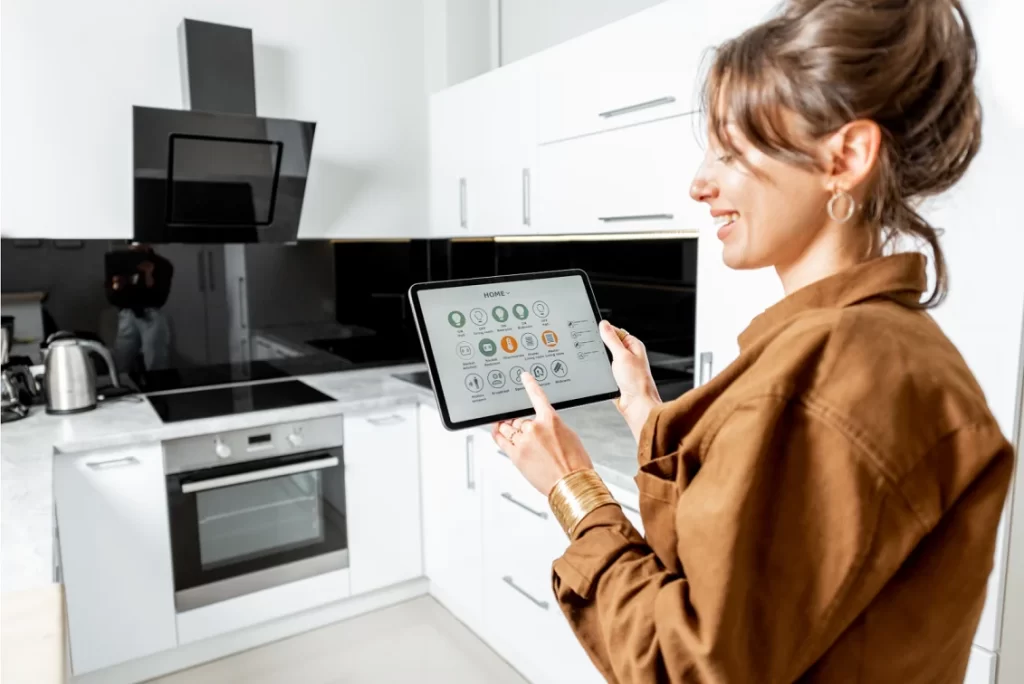
In the ever-evolving landscape of modern living, technology plays an increasingly significant role in our daily lives. One area where this technological revolution is particularly evident is in our homes, where smart appliances are transforming the way we interact with our living spaces. Not only do these devices offer convenience and efficiency, but they also have a tangible impact on the value of our homes. In this article, we will explore how smart appliances are driving up home values and why they are becoming a sought-after feature in today’s real estate market.
The Rise of Smart Appliances
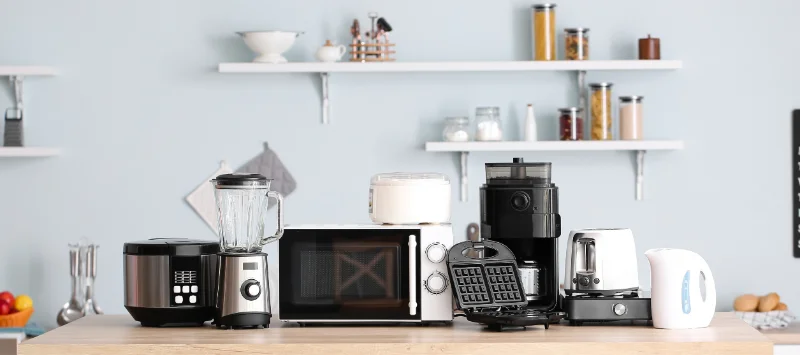
Smart appliances encompass a wide range of household devices that are connected to the internet and can be controlled remotely or through automation. These appliances include smart thermostats, refrigerators, ovens, washing machines, and even lighting systems. They are designed to make our lives easier by offering advanced features such as energy efficiency, remote monitoring, and personalized settings.
One of the key reasons for the popularity of smart appliances is their ability to streamline daily tasks and save time. For example, a smart refrigerator can create shopping lists, track expiration dates, and even suggest recipes based on its contents. Similarly, a smart thermostat can learn your heating and cooling preferences and adjust the temperature accordingly, leading to energy savings and improved comfort.
The Impact on Home Value
The integration of smart appliances into homes has a positive impact on their market value for several reasons:
- Enhanced Efficiency and Sustainability – Smart appliances are designed to be energy-efficient, which can lead to lower utility bills for homeowners. For instance, smart thermostats can optimize heating and cooling schedules based on occupancy patterns, weather forecasts, and other factors, resulting in significant energy savings over time. This emphasis on sustainability is attractive to environmentally conscious buyers who are willing to pay more for homes with eco-friendly features.
- Improved Convenience and Comfort – The convenience offered by smart appliances is a major selling point for homebuyers. The ability to control devices remotely or through voice commands makes daily tasks more manageable and enhances overall comfort. For example, a smart lighting system can be programmed to adjust brightness levels based on the time of day or automatically turn off when no one is in the room. These features contribute to a more enjoyable living experience, which adds value to the property.
- Integration with Smart Home Ecosystems – Smart appliances are often part of larger smart home ecosystems that include interconnected devices such as security systems, entertainment systems, and voice assistants. This integration creates a seamless living environment where all aspects of home management can be controlled from a central hub or smartphone app. Buyers are increasingly interested in these comprehensive smart home setups, making properties with integrated smart appliances more desirable and valuable.
- Future-Proofing Investments – Investing in smart appliances not only improves the current functionality of a home but also future-proofs it against technological advancements. As smart home technology continues to evolve, properties with existing smart infrastructure will remain attractive to buyers looking for modern amenities. This can translate to a higher resale value and a competitive edge in the real estate market.
The Role of Connectivity and Data
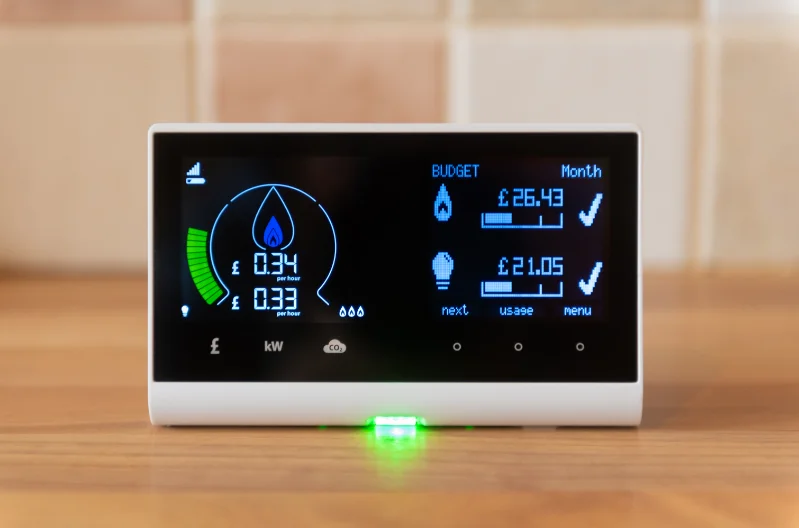
Central to the functionality of smart appliances is their connectivity to the internet and the ability to collect and analyze data. These capabilities enable features such as remote monitoring, predictive maintenance, and personalized recommendations. For example, a smart dishwasher can alert homeowners when it’s time to refill detergent or when there’s a potential issue that requires attention. This proactive approach to appliance management adds value by reducing maintenance costs and prolonging the lifespan of the devices.
Furthermore, the data generated by smart appliances can provide valuable insights into household habits and preferences. This data can be leveraged by homeowners to make informed decisions about energy usage, appliance settings, and overall lifestyle choices. From a real estate perspective, this data-driven approach can make a home more appealing to prospective buyers who value efficiency and customization.
Market Trends and Buyer Preferences
As the demand for smart appliances grows, real estate trends reflect a shift towards homes equipped with these technologies. Builders and developers are increasingly incorporating smart features into new construction projects, recognizing the value they add to properties. Additionally, existing homeowners are retrofitting their homes with smart appliances to stay competitive in the market and attract tech-savvy buyers.
Buyer preferences also play a crucial role in driving the adoption of smart appliances. Millennials and younger generations, in particular, are tech-oriented and value homes that offer modern amenities and connectivity. They are willing to pay a premium for properties that align with their lifestyle preferences, including smart home features.

Questions to Consider
Are Smart Home Appliances in High Demand?
Yes, smart appliances are experiencing a surge in demand due to their convenience, energy efficiency, integration with smart home ecosystems, and the preferences of a tech-savvy consumer base. These appliances offer remote control capabilities, energy-saving features, seamless connectivity with other smart devices, and personalized settings, making them highly appealing to modern homeowners seeking convenience, sustainability, and a connected living experience. As a result, the market for smart appliances continues to expand, driven by consumer demand for innovative, efficient, and modern home solutions.
How Much Value Do Appliances Generally Add to a Home?
Appliances contribute varying degrees of value to a home, influenced by factors like brand, condition, and unique features. However, they are generally viewed as vital elements of residential spaces. Research indicates that kitchens and bathrooms, where many appliances are situated, rank highly in importance for prospective buyers.
Typically, a fully equipped kitchen with contemporary appliances can enhance a home’s value by 3% to 7%. Therefore, opting for top-notch, energy-efficient smart appliances might lead to a considerable return on investment during the home-selling process.
Are You More Likely to Sell Your Home with Smart Home Appliances?
Positive! You are more likely to sell your home with smart appliances due to the increasing demand for modern amenities and technology-driven solutions among homebuyers. Smart appliances offer several benefits such as convenience, energy efficiency, remote control capabilities, and integration with smart home ecosystems, which enhance the overall appeal and marketability of your property. Potential buyers, especially tech-savvy individuals and those interested in sustainable living, are willing to pay a premium for homes equipped with smart appliances, making them a valuable asset in the real estate market and increasing the likelihood of a successful sale.
Additional reading: Mortgage Interest Rate Buydown: Should You Do It?

Conclusion
Smart appliances are not just gadgets; they are investments that enhance the functionality, efficiency, and value of homes. From energy savings and convenience to connectivity and data-driven insights, these appliances offer a range of benefits that appeal to today’s homeowners and buyers. As the technology continues to advance and become more accessible, smart appliances will likely become standard features in homes, further influencing market values and shaping the future of real estate. Embracing smart technology is not only a smart choice for homeowners but also a strategic move for increasing property value in a competitive market.