
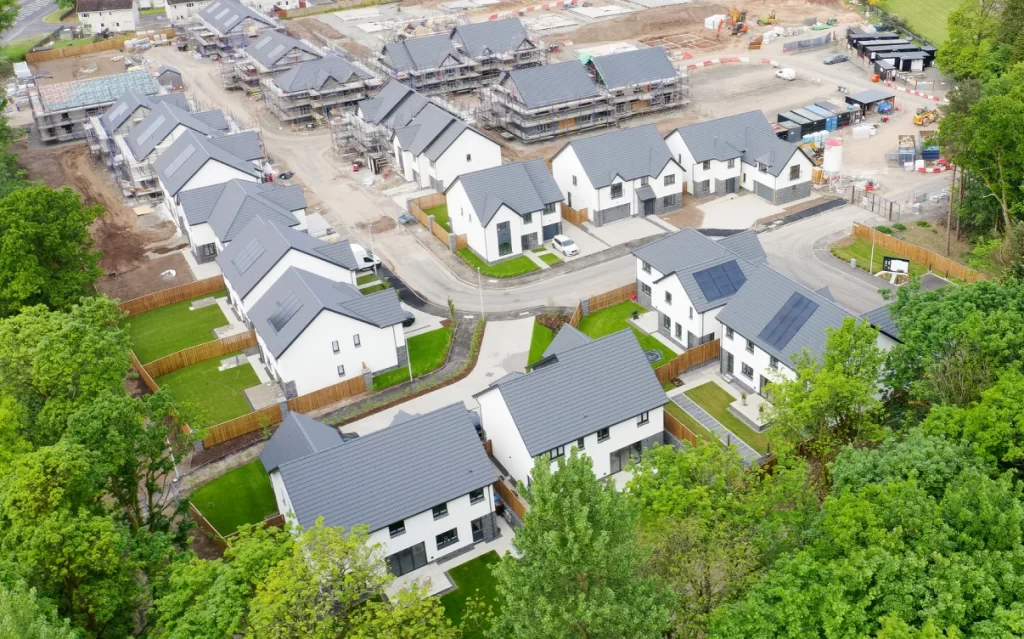
A third of consumers believe mortgage rates will go up over the next 12 months
According to a recent survey, consumer sentiment regarding housing declined in March, but indications suggest that home buyers and sellers are becoming more accepting of higher mortgage rates and home prices. The survey, conducted monthly by Fannie Mae, revealed that the Home Purchase Sentiment Index (HPSI) dropped by 0.9 points in March to 71.9, marking the first decrease since November 2023. This index relies on data from Fannie Mae’s National Housing Survey, which has been active since 2010.
The decline in sentiment was mainly attributed to concerns about rising mortgage rates, which consumers believe will continue to climb over the next year, as stated by the government-sponsored enterprise on Wednesday.

The March Survey
In March, 79% of survey respondents viewed it as an unfavorable time to purchase a home, down from 81% in the previous month. Additionally, 40% of respondents predicted that home prices would rise in the next 12 months, a decrease of 2 basis points. The median price for a resale home in November stood at $384,500, according to the National Association of Realtors.
Regarding mortgage rates, 34% of respondents expected them to increase over the same period, up from 32% in the prior month. As of April 4, the average rate for a 30-year fixed-rate mortgage was 6.82%, according to Freddie Mac.
Despite these concerns, the survey revealed a diminishing pessimism about the housing market, noted Fannie Mae. Chief economist and senior vice president Doug Duncan stated, “We’re observing indications that consumers may be revising their housing market expectations to better accommodate the higher mortgage rate and home price environment.” He added that as households adjust to the end of historically low rates from the pandemic era, the market may continue to improve.
On the seller’s side, optimism remains high, with 66% of respondents considering it a favorable time to sell a home, an increase from 65% in the previous month.
2024 Home Sales Forecast
The most recent analysis from the Fannie Mae Economic and Strategic Research (ESR) Group indicates a somewhat hopeful perspective regarding overall home sales and mortgage originations in 2024. Despite still foreseeing market growth, the forecast is a bit less optimistic than earlier assessments, mainly due to the rise in mortgage rates noted in February.

Revised Mortgage Rate Forecast
The ESR Group (e-Shang Redwood) has revised its forecast, expecting the average rate for a 30-year fixed mortgage to reach 6.4% by the end of 2024, up from the earlier projection of 5.9%. This change is driven by robust jobs numbers and persistently high inflation, prompting financial markets to adjust their rate expectations.
Initially, the Federal Reserve’s plan for rate cuts in 2024 seemed less stringent. However, recent data suggests that immediate monetary easing might not be warranted. Labor market indicators are still mixed, and inflation is expected to remain elevated for a longer period than previously thought.
Housing Market Outlook
Although facing obstacles like elevated mortgage rates and affordability issues, the ESR Group foresees a rise in existing home sales throughout 2024. This projection stems from heightened activity among households experiencing life changes, who are less impacted by interest rate shifts.
Current patterns in new home listings and the ‘good time to sell’ metric within the Fannie Mae Home Purchase Sentiment Index® suggest a gradual improvement in housing market dynamics. While the supply of available homes may not experience a significant surge, there’s an expectation for more market transactions compared to 2023.
Expert Insights
Fannie Mae’s Senior Vice President and Chief Economist, Doug Duncan, points out the dual challenges affecting the housing market in 2024: high home prices and elevated interest rates. He expects that the hotter-than-anticipated inflation figures and robust payroll data will push mortgage rates higher over the year.
However, Duncan remains optimistic about the housing market’s resilience. He foresees an uptick in market transactions despite the higher mortgage rates. While there’s no anticipation of a surge in home supply, there’s a cautious optimism about the market’s activity levels in the upcoming months.

Looking Ahead
The ESR Group’s analysis highlights how the housing market is adapting to shifting economic landscapes and expectations around monetary policy. Despite the affordability challenges brought on by rising mortgage rates, there are signs of resilience and a slow but steady improvement in housing market activity.
Interested in real estate investing? Check this out: How to Monetize Your Vacation Home
What Will the Housing Market Look Like in 2025?
The housing market is always a topic of interest and speculation, with various factors influencing its trajectory. As we look ahead to 2025, several trends and indicators point towards what we might expect in the real estate landscape.
- Technology Integration: The ongoing integration of technology into every aspect of our lives will continue to revolutionize the housing market. Smart homes, powered by IoT (Internet of Things) devices, will become more commonplace, offering increased convenience, security, and energy efficiency. Buyers will prioritize properties with integrated smart features, influencing market demand.
- Remote Work’s Influence: The shift towards remote work, accelerated by the global pandemic, has reshaped housing preferences. Many workers now prioritize home offices, spacious layouts, and properties in suburban or rural areas offering a better quality of life. This trend is likely to persist in 2025, impacting both urban and rural housing markets differently.
- Sustainability and Green Initiatives: Environmental consciousness will play a significant role in shaping the housing market. Buyers are increasingly interested in eco-friendly homes with features like solar panels, energy-efficient appliances, and sustainable building materials. Properties that prioritize sustainability will command higher premiums and see increased demand.
- Supply Chain Challenges: The housing market, like many other sectors, has been impacted by supply chain disruptions. Delays in construction materials, labor shortages, and rising costs have slowed down housing projects and led to increased prices. These challenges may continue into 2025, affecting affordability and construction timelines.
- Demographic Shifts: Changes in demographics, including aging populations and younger generations entering the market, will influence housing preferences. Millennials and Gen Z buyers will drive demand for affordable housing, starter homes, and properties in walkable communities with access to amenities.
- Interest Rates and Mortgage Trends: The trajectory of interest rates and mortgage policies will be key factors shaping the housing market in 2025. Rising interest rates could dampen demand, especially among first-time buyers, while favorable lending conditions may stimulate activity.
- Urban Revitalization vs. Suburban Appeal: The debate between urban living and suburban appeal will continue. While some urban areas may experience revitalization efforts and renewed interest, suburbs and smaller towns offering space, affordability, and a sense of community will attract buyers seeking a different lifestyle.
- Rental Market Dynamics: The rental market will also experience shifts, influenced by factors such as changing work patterns, migration trends, and housing affordability. Investors and landlords will need to adapt to evolving tenant preferences and market conditions.
- Regulatory and Policy Changes: Government policies and regulations, including zoning laws, tax incentives, and housing affordability initiatives, will impact the housing market’s direction. Policy changes aimed at increasing homeownership rates or promoting affordable housing could have significant effects.
- Global Economic Factors: Lastly, global economic trends, geopolitical developments, and market stability will influence investor confidence, mortgage rates, and overall market sentiment, contributing to the housing market’s performance in 2025.
To conclude, the housing market predictions for 2025 suggest a landscape shaped by technological advancements, changing demographics, sustainability priorities, economic factors, and regulatory influences. Buyers, sellers, investors, and industry stakeholders will need to navigate these trends and adapt to a dynamic real estate environment.