
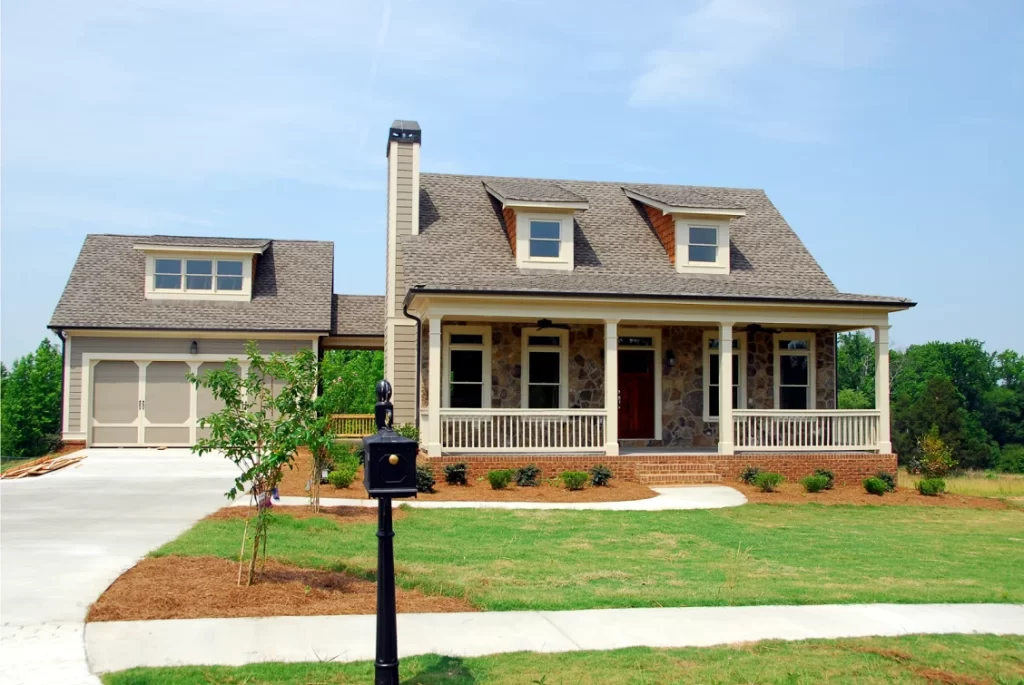
Choosing a house design style can be an exciting yet daunting task. Your home is a reflection of your personality and lifestyle, so it’s crucial to select a design that resonates with you. With the plethora of options available, from modern and contemporary to traditional and eclectic, it’s essential to consider various factors before making a decision. In this article, we’ll delve into the key aspects to consider when choosing a house design style that suits your preferences and needs.
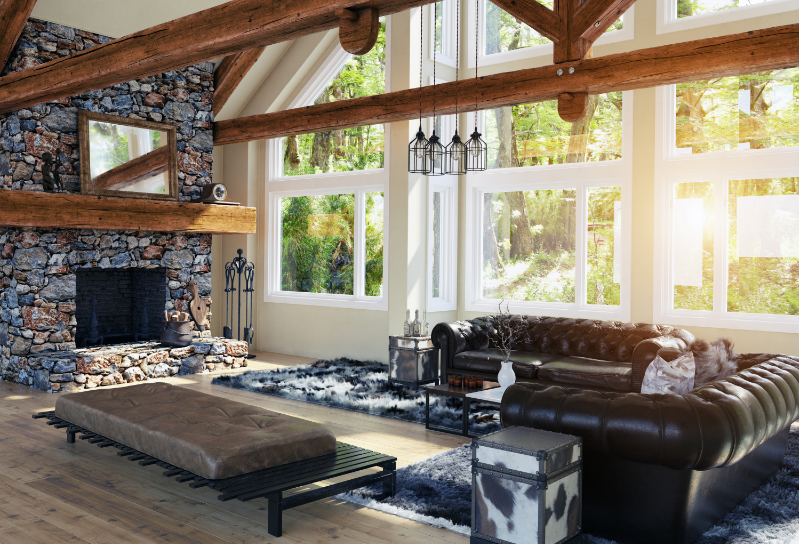
Understand Your Lifestyle and Preferences
The first step in choosing a house design style is understanding your lifestyle and preferences. Consider your daily routines, hobbies, and activities. Do you prefer open spaces for entertaining guests, or do you value privacy and cozy nooks for relaxation? Are you drawn to minimalist aesthetics, or do you appreciate intricate details and textures? Understanding these aspects will guide you in selecting a design style that aligns with your lifestyle and reflects your personality.
Research Different House Design Styles
Take the time to research different house design styles to familiarize yourself with the options available. Some popular design styles include:
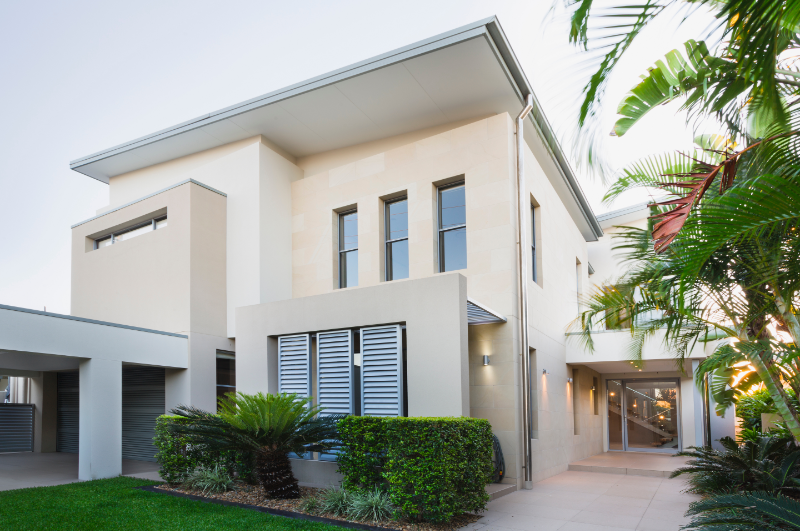
- Modern: Characterized by clean lines, minimalism, and an emphasis on open spaces and natural light.
- Contemporary: Similar to modern design but incorporates current trends and a more eclectic mix of materials and finishes.
- Traditional: Timeless and elegant, with a focus on symmetry, classic architectural details, and warm color palettes.
- Farmhouse: Rustic charm with a blend of old-world and modern elements, featuring wood accents, neutral colors, and a cozy atmosphere.
- Mediterranean: Inspired by coastal regions, featuring stucco exteriors, tiled roofs, arched doorways, and vibrant colors.
- Eclectic: A mix-and-match approach that combines various design elements, textures, and colors for a unique and personalized look.
Explore design magazines, websites, and social media platforms like Pinterest and Instagram to gather inspiration and ideas for different styles.
Consider Your Location and Surroundings
Your home’s design should also consider its location and surroundings. Factors such as climate, landscape, and neighborhood aesthetics can influence your choice of design style. For instance, a beachfront property may be well-suited for a coastal or Mediterranean-style home, while a mountain retreat could embrace a rustic or contemporary mountain design. Consider how your home will blend harmoniously with its environment while also standing out in a visually appealing way.
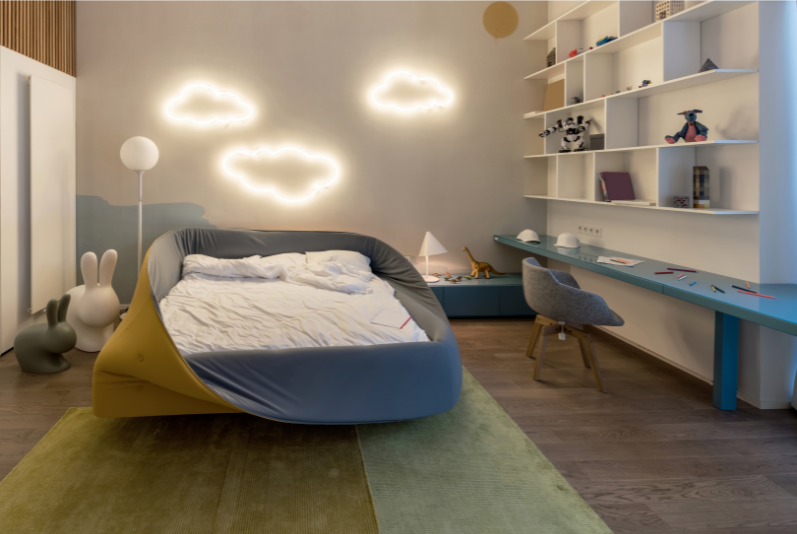
Evaluate Practicality and Functionality
While aesthetics are important, practicality and functionality are equally crucial when choosing a house design style. Consider your practical needs such as the number of bedrooms and bathrooms, the layout of living spaces, storage requirements, and any specific features or amenities you desire. Ensure that the design style you choose can accommodate your lifestyle needs and provides functionality without compromising on aesthetics.
Set a Budget
Establishing a budget early in the design process is essential to narrow down your options and make informed decisions. Different design styles may vary in terms of construction costs, materials, and finishes. Be realistic about your budget and prioritize essential aspects of the design while being open to creative solutions that can achieve the desired look within your financial constraints.
Consult with Design Professionals
Seeking guidance from design professionals such as architects, interior designers, or design-build firms can be invaluable in the decision-making process. They can offer expert advice, translate your ideas into cohesive designs, and provide insights on the feasibility of different design styles based on your budget and location. Collaborating with professionals can streamline the design process and ensure that your vision is brought to life effectively.
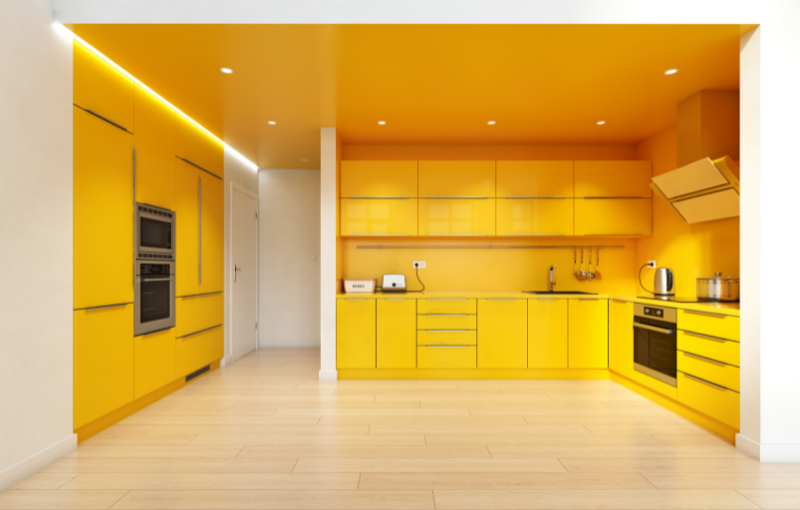
Consider Long-Term Sustainability
Incorporating sustainable and eco-friendly elements into your home design is not only beneficial for the environment but also enhances the long-term sustainability and efficiency of your home. Consider features such as energy-efficient appliances, insulation, solar panels, and sustainable materials in your design plan. Many design styles can incorporate sustainable elements seamlessly without compromising on aesthetics or functionality.
Personalize Your Design
Once you’ve narrowed down your options and chosen a house design style, it’s time to personalize the design to reflect your unique tastes and preferences. Selecting interior finishes, furniture, decor, and landscaping elements that complement the chosen style will create a cohesive and inviting atmosphere. Incorporate personal touches such as family heirlooms, artwork, or custom design elements to make your home truly your own.
Visualize the Finished Product
Use visualization tools such as 3D renderings, virtual reality simulations, or mood boards to envision how your chosen design style will look once implemented. This step allows you to fine-tune the details, make any necessary adjustments, and ensure that the final outcome meets your expectations before construction begins.
Be Open to Adaptations
Flexibility is key when choosing a house design style. While you may have a clear vision initially, be open to adaptations and revisions based on practical considerations, feedback from design professionals, and evolving trends. A willingness to adapt can lead to innovative design solutions and a more satisfying end result.
Interested in this too: “How to Negotiate Home Inspection and Repairs“?
Closing Notes
In conclusion, choosing a house design style involves a thoughtful process that takes into account your lifestyle, preferences, location, budget, functionality, sustainability, and personalization. By considering these key aspects and seeking guidance from design professionals, you can confidently select a design style that not only reflects your personality but also creates a comfortable and inspiring living environment for years to come.