
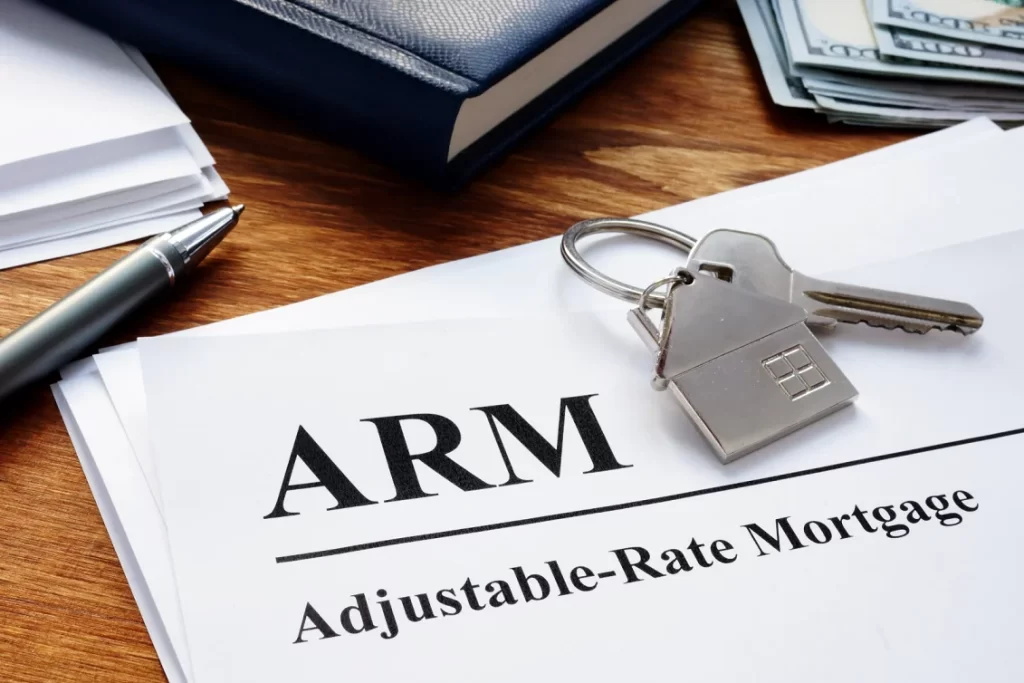
As mortgage rates increase, individuals seek ways to reduce their monthly payments, often turning to adjustable-rate mortgages (ARMs). These loans offer lower initial interest rates compared to fixed-rate mortgages but are considered riskier due to potential future adjustments based on market rates.
It All Comes Down to the Term “Adjustable”
The share of ARM applications rose to 7.8% of total mortgage demand last week, marking the highest level of the year. During 2021’s record-low mortgage rates, ARM applications were in the 3% range.
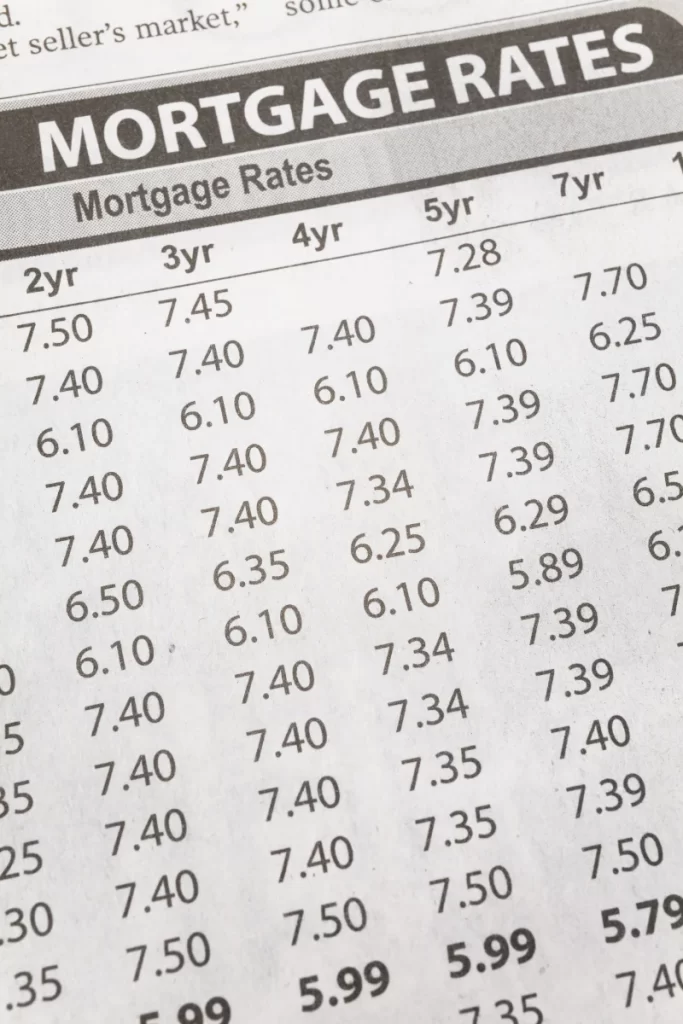
The average contract interest rate for 30-year fixed-rate mortgages increased to 7.29% last week from the previous week’s 7.24%, while the average contract interest rate for 5/1 ARMs decreased to 6.60% from 6.64%.
“Inflation remains persistently high, leading markets to anticipate prolonged higher rates, including mortgage rates,” said Mike Fratantoni, senior vice president and chief economist at the MBA. “This poses challenges for the housing and mortgage markets.”
Overall mortgage demand declined by 2.3% compared to the previous week, with applications for refinancing dropping by 3% and applications from potential homebuyers decreasing by 2%.
With mortgage rates 79 basis points higher than a year ago, homeowners have less incentive to refinance, while those seeking home equity are more likely to explore second loans or lines of credit instead of giving up their current lower rates.
Applications from potential homebuyers were also down, reflecting a 14% decrease compared to the same week last year.
Mortgage rates are expected to fluctuate further, influenced by the Federal Reserve’s interest rate commentary following its upcoming meeting.

The Risks and Rewards of Adjustable-Rate Mortgages
Adjustable-rate mortgages (ARMs) have long been a popular choice for homebuyers seeking lower initial interest rates and monthly payments. However, behind their allure lies a layer of risk that borrowers should carefully consider before opting for this type of loan.
Understanding Adjustable-Rate Mortgages
An adjustable-rate mortgage is a home loan with an interest rate that can change periodically, typically after an initial fixed-rate period. This initial fixed-rate period can vary, such as 5, 7, or 10 years, after which the rate adjusts based on a predetermined index, often tied to market rates.
Lower Initial Rates, Higher Risks
The primary appeal of ARMs is their lower initial interest rates compared to fixed-rate mortgages. This feature can make homeownership more accessible, especially for those planning to move or refinance within a few years. However, the lower rates come with inherent risks, chiefly the uncertainty of future rate adjustments.
Fluctuating Monthly Payments
One of the most significant risks of ARMs is the potential for fluctuating monthly payments. When the introductory fixed-rate period ends, the interest rate adjusts according to market conditions. If rates rise significantly, borrowers could see substantial increases in their monthly mortgage payments, potentially causing financial strain.
Exposure to Market Volatility
Unlike fixed-rate mortgages, which offer stability and predictable payments throughout the loan term, ARMs expose borrowers to market volatility. Economic factors, such as inflation, changes in the Federal Reserve’s monetary policy, and global events, can influence interest rates and, consequently, the cost of an ARM.
Risk of Payment Shock
Payment shock is a common concern with ARMs. This phenomenon occurs when the interest rate adjusts, leading to a significant jump in monthly payments. For borrowers on tight budgets or with limited financial flexibility, sudden payment increases can be challenging to manage and may even lead to financial distress or default.

Planning for Rate Adjustments
Borrowers considering ARMs should carefully evaluate their financial situation and ability to withstand potential rate adjustments. Factors such as income stability, future earning potential, and long-term housing plans should all be taken into account. Additionally, having a solid financial plan and emergency fund can help mitigate the risks associated with ARMs.
Mitigating Risk and Making Informed Decisions
While adjustable-rate mortgages offer advantages in certain scenarios, they are not without risks. Borrowers should weigh the lower initial rates against the possibility of future rate increases and payment adjustments. Working closely with mortgage professionals, understanding loan terms, and exploring alternative options can empower borrowers to make informed decisions that align with their financial goals and risk tolerance.
When is an Adjustable-Rate Mortgage a Good Idea?
So how do you determine if an ARM is suitable for your situation? There are several factors to consider as you assess what aligns best with your financial requirements. One of the fundamental questions to address is your intended duration of stay in the property.
“While an ARM carries risk for those planning long-term stays, it can be a viable option for shorter-term housing needs,” explains Hardy. “For instance, individuals or families with a clear five-year timeframe can benefit from a five- or seven-year ARM, as a more defined timeline enhances planning feasibility in this direction.”
Opting for an ARM may also be appropriate if you’re seeking a starter home and are unable to afford a fixed-rate mortgage. As McCauley notes, historically, the majority of first- and second-time homebuyers typically reside in a home for an average of five years, making ARMs a commonly favorable choice.

Consultation and Advice
Working closely with mortgage professionals, financial advisors, and real estate experts can provide valuable insights and guidance when deciding between an ARM and a fixed-rate mortgage. These professionals can help assess individual financial situations, explore loan options, and develop strategies to minimize risks and maximize benefits.
In conclusion, an adjustable-rate mortgage can be a good idea under specific circumstances, such as short-term homeownership plans, favorable market conditions, and financial flexibility. However, thorough evaluation, risk assessment, and expert consultation are essential steps to ensure that an ARM aligns with your financial objectives and provides a suitable mortgage solution.
You may also be interested to read: Why Your Bedroom Should Be Your Ultimate Comfort Zone
Closing Notes
In the current high-interest-rate climate, an ARM presents an opportunity for a more economical mortgage payment. However, it’s essential to recognize that the initial lower interest rate, which reduces monthly payments, is temporary. It’s crucial to assess your financial situation both in the short and long term, ensuring that you can comfortably manage your mortgage payments as the interest rate starts to fluctuate.
“ARMs are valuable tools that allow individuals to secure a lower rate, save money, and improve affordability,” states McCauley. “However, homebuyers must thoroughly comprehend their options, consult with an experienced mortgage advisor, engage in comprehensive mortgage planning, and explore every available loan and financial avenue. Becoming a homeowner is significant, but becoming a savvy homeowner is paramount, and that should be the ultimate objective.”