
If you’re considering purchasing a new residence, be prepared to delve into a diverse array of choices. Whether it’s a single-family dwelling, a condominium, or something in the middle, understanding the subtleties of various housing types can assist you in identifying what suits you best. For instance, are you seeking absolute seclusion, or are communal spaces acceptable? Are stairs a preference, or would you prefer a single-level layout? Furthermore, what architectural style or design elements will enhance that feeling of ‘home’ for you? Below, delve deeper into the myriad types of residences you may encounter during your search for a new home.
Different House Types by Design Structure
House types by design structure encompass a diverse range of architectural styles and configurations that cater to different lifestyles and preferences. One of the most common types is the single-family home, characterized by its standalone structure on its own lot, offering privacy and customization options. Townhouses, on the other hand, are attached units arranged in rows, providing a balance between community living and individual ownership.
Condominiums, or condos, feature individual units within a larger building, with shared ownership of common areas and amenities managed by a condominium association. Multi-family homes comprise multiple units under one roof, such as duplexes or apartment buildings, offering diverse living arrangements within a single property. Accessory dwelling units (ADUs) and modular homes provide additional flexibility, with ADUs serving as secondary living spaces on a property, and modular homes being prefabricated off-site and assembled on location.
Container homes, constructed from repurposed shipping containers, offer an innovative and sustainable approach to housing, blending affordability with durability and environmental consciousness. Each house type by design structure caters to different needs and preferences, contributing to the diverse landscape of residential architecture.
Single-Family Home
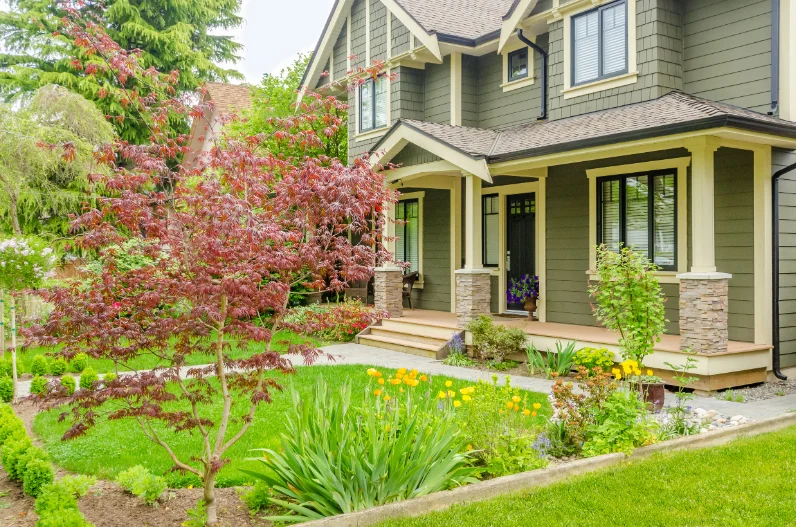
A single-family home is a standalone residential building designed to house one family, usually on its own lot of land. These homes are not attached to any other residential structures and typically offer private outdoor spaces like yards or gardens. Single-family homes are popular for their privacy, independence, and the ability to customize and maintain the property according to the owner’s preferences.
Condo/Co-op
A condominium, often referred to as a condo, is a type of housing where individual units within a larger building or complex are owned by separate individuals or families. Condo owners typically share ownership of common areas and facilities such as hallways, elevators, and amenities like swimming pools or gyms. While condo owners have the freedom to customize the interior of their units, they must abide by the rules and regulations set forth by the condominium association, which manages the shared spaces and enforces community guidelines.

Townhouse
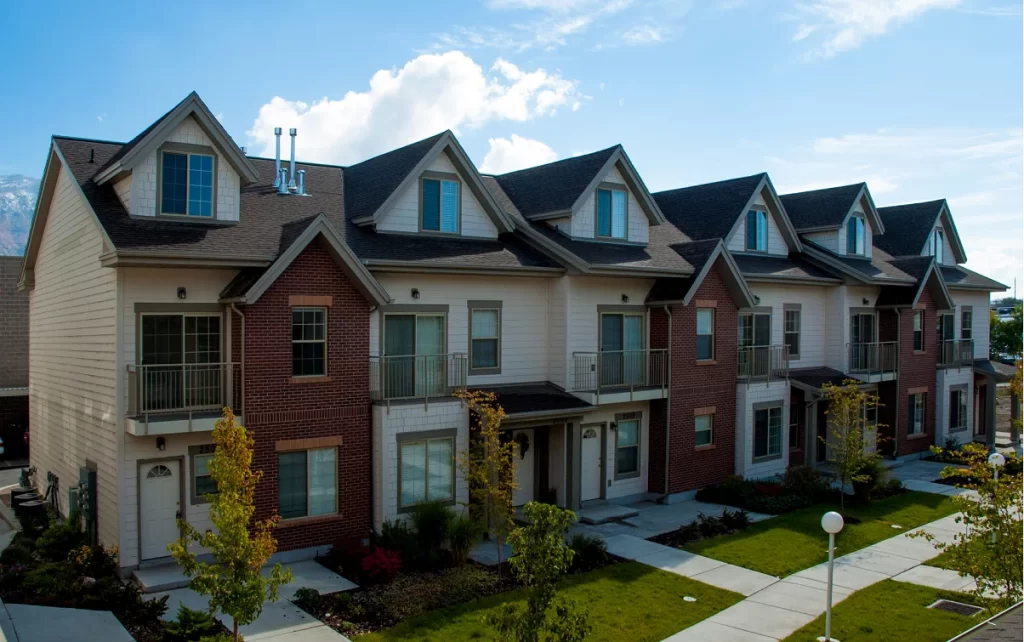
A townhouse is a type of residential dwelling that shares walls with adjacent units, typically in a row or a small cluster. Townhouses are often multi-story structures, offering multiple levels of living space. Each townhouse is individually owned, including the land it sits on, and may have its own private entrance and outdoor area such as a patio or courtyard. Townhouse communities often have shared amenities like common green spaces, parking areas, or recreational facilities.
Multi-Family Home
A multi-family home is a residential building that is designed to accommodate more than one family or household. These homes can come in various configurations, such as duplexes (two units), triplexes (three units), or larger buildings with multiple apartments or condominium units. Each unit in a multi-family home typically has its own separate entrance, living spaces, kitchen, and bathrooms, allowing for individual privacy for each household. Multi-family homes are commonly used for rental properties or for extended families who wish to live in close proximity while maintaining separate living spaces.
Accessory Dwelling Unit (ADU)
An accessory dwelling unit (ADU) is a secondary living unit on a single-family residential property. These units are typically smaller and located either within or attached to the main house, or they may be separate structures on the same property, such as a detached garage converted into a living space. ADUs are designed to provide additional housing options and can be used for various purposes, such as housing family members, renting out for additional income, or accommodating guests. They often have their own entrance, kitchen, bathroom, and living areas, allowing for independent living while still being part of the primary property. ADUs have gained popularity as a way to increase housing density and address housing affordability in many communities.
Modular Home
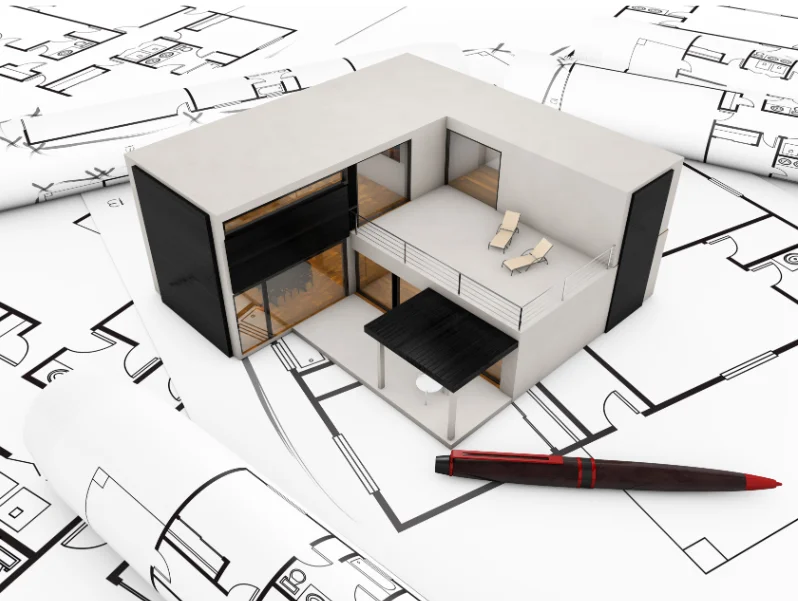
A modular home is a type of prefabricated housing that is built off-site in a factory setting and then transported to the final location for assembly. Unlike traditional stick-built homes, where the construction takes place entirely on-site, modular homes are constructed in sections or modules that are then transported to the building site and assembled together. These modules are built to conform to local building codes and can be customized in terms of design, size, and layout just like traditional homes. Once assembled on-site, a modular home is virtually indistinguishable from a site-built home and offers the same level of durability and quality. Modular homes are often more cost-effective and can be built in a shorter timeframe compared to traditional construction methods.
Tiny Home/Container Home
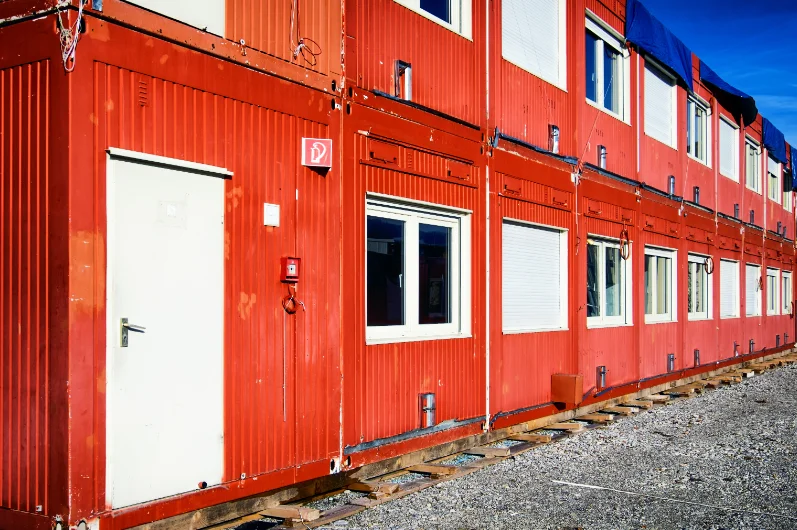
A container home, also known as a shipping container home, is a type of dwelling that is constructed using repurposed shipping containers. These containers are typically made of steel and are used to transport goods across long distances via ships, trains, or trucks. Container homes involve converting these containers into livable spaces by adding insulation, windows, doors, plumbing, electricity, and other necessary amenities.
Container homes have gained popularity due to their sustainability, cost-effectiveness, and versatility in design. They can be used as permanent residences, vacation homes, offices, or even commercial spaces. Container homes are often praised for their durability and resistance to natural elements, making them suitable for various climates and environments.
Additionally, container homes are considered eco-friendly because they repurpose materials that would otherwise go to waste. They can also be built relatively quickly compared to traditional construction methods, making them an attractive option for those looking for alternative housing solutions.
How to Choose What Type of House is Right for You
Choosing the right type of house involves considering various factors to ensure it meets your current and future needs. Here’s a step-by-step guide to help you make an informed decision:
Assess Your Lifestyle: Consider your lifestyle, family size, and future plans. For example, if you have a growing family, you might need a larger house with multiple bedrooms.
Budget: Determine your budget and explore what types of houses are available within that range. Remember to consider not just the purchase price but also ongoing maintenance costs, property taxes, and utilities.
Location: Think about where you want to live. Factors such as proximity to work, schools, shopping centers, public transportation, and healthcare facilities can influence your decision.
Type of House: Explore different types of houses such as single-family homes, townhouses, condominiums, or apartments. Each type has its own pros and cons in terms of space, maintenance, privacy, and amenities.
Features and Amenities: Make a list of must-have features and amenities. This could include the number of bedrooms and bathrooms, a backyard, a garage, a swimming pool, or a home office.
Future Growth: Consider your future plans. Are you planning to expand your family, work from home, or accommodate aging parents? Choose a house that can adapt to these changes.
Resale Value: While it’s important to find a house that suits your current needs, also think about its resale value. A well-maintained and strategically located house can be a good investment in the long run.
Energy Efficiency: Pay attention to energy-efficient features such as insulation, windows, HVAC systems, and appliances. A more energy-efficient house can save you money on utility bills.
Neighborhood: Research the neighborhood’s safety, school district, property values, community amenities, and overall vibe. Visit the area at different times of the day to get a feel for it.
Consult Professionals: Work with a real estate agent, mortgage broker, and home inspector to guide you through the process. They can provide valuable insights and help you make an informed decision.
Find other interesting topics from our blog here: A Comprehensive Guide to Preparing to Shop for Your Mortgage

The Takeaway
Selecting the ideal house type involves a thoughtful consideration of various factors such as lifestyle preferences, budget constraints, family size, and long-term goals. By evaluating these aspects thoroughly, one can make an informed decision that aligns with their needs and aspirations. Whether opting for a cozy apartment, a spacious single-family home, or a trendy townhouse, the key is to prioritize what matters most and find a property that not only meets current requirements but also offers potential for future growth and happiness. With careful planning and research, anyone can find their perfect home and create a space that truly feels like their own.