
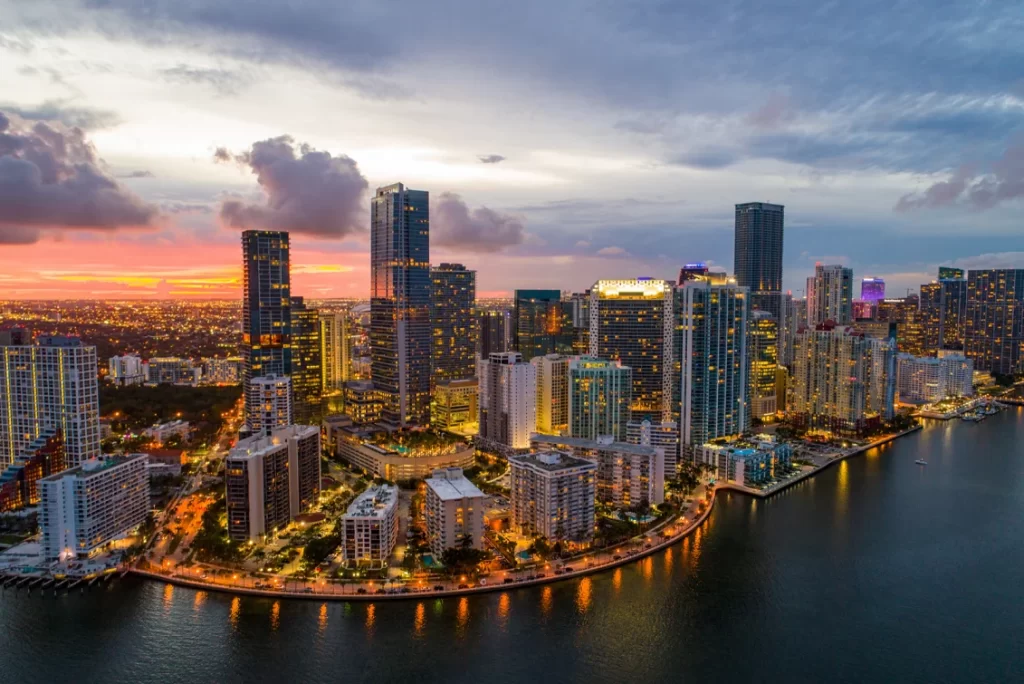
Moving to Florida can be highly beneficial for several reasons. First and foremost, the state’s warm climate and abundance of sunshine offer a more relaxed and enjoyable lifestyle, with ample opportunities for outdoor activities year-round. Additionally, Florida boasts a relatively low cost of living compared to many other states, making it an attractive option for those looking to stretch their budget without compromising on quality of life. The state also has a strong job market, especially in industries like tourism, healthcare, and technology, providing ample employment opportunities for newcomers. Moreover, Florida’s diverse culture, beautiful beaches, and numerous entertainment options make it a vibrant and exciting place to live, attracting people from all walks of life. Overall, moving to Florida can offer a blend of affordability, career prospects, and a desirable lifestyle that appeals to many individuals and families alike.
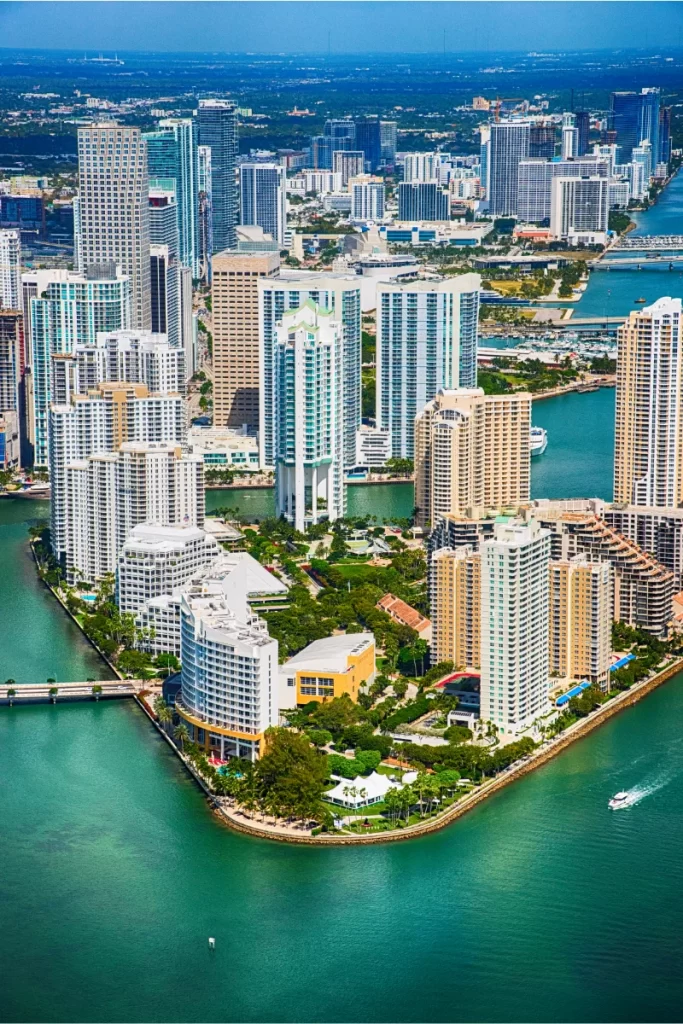
Why People Want to Relocate to Florida?
Many people are drawn to relocate to Florida for various reasons, ranging from its pleasant climate to its vibrant culture and economic opportunities. Here are some key factors that make Florida an attractive destination for relocation:
- Climate: Florida is renowned for its warm and sunny weather throughout much of the year. The abundance of sunshine and mild winters appeal to individuals seeking a more temperate climate compared to colder regions.
- Natural Beauty: From its beautiful beaches along the Gulf and Atlantic coasts to its lush tropical landscapes, Florida offers stunning natural beauty that attracts outdoor enthusiasts, retirees, and families looking for a scenic environment.
- Economic Opportunities: Florida boasts a diverse economy with thriving industries such as tourism, technology, healthcare, and finance. Job seekers often flock to cities like Miami, Orlando, and Tampa for career advancement and entrepreneurial ventures.
- No State Income Tax: One of the most appealing aspects of living in Florida is the absence of state income tax. This means residents can keep more of their earnings, providing a financial advantage compared to states that impose income taxes. The lack of this tax can result in higher take-home pay and overall savings for residents.
- Quality Education (especially for colleges): Florida is home to several renowned universities and colleges, offering a high-quality education to students. Institutions like the University of Florida, Florida State University, and the University of Miami are known for their academic excellence across various fields. This educational prowess extends to public schools as well, with many districts emphasizing quality education and extracurricular opportunities.
- Affordable Cost of Living: Despite its popularity and amenities, Florida maintains a relatively affordable cost of living compared to other states with similar offerings. Housing, utilities, and everyday expenses are often more manageable, allowing residents to enjoy a comfortable lifestyle without breaking the bank.
- Low Sales and Property Taxes: Florida also boasts low sales and property taxes, further contributing to its affordability. This tax advantage can make a significant difference for homeowners and businesses, reducing financial burdens and enabling individuals to invest more in their properties or other ventures.
- Diverse Job Market: Florida’s economy is diverse and robust, offering a wide range of job opportunities across various industries. From tourism and hospitality to technology, healthcare, and finance, there are ample career prospects for job seekers. Cities like Miami, Orlando, and Tampa are particularly thriving hubs for employment, attracting professionals from different backgrounds and fields. This diverse job market contributes to Florida’s reputation as a great place to live and work.
Additionally, Florida’s lower cost of living compared to some other states, absence of state income tax, and recreational amenities like theme parks, golf courses, and wildlife reserves contribute to its appeal as a desirable place to live. These factors collectively make Florida a popular destination for individuals and families looking to relocate for a better quality of life.

Things to Do Before Moving
Before making the move to Florida, it’s essential to undertake several critical steps to ensure a smooth transition and a positive experience in your new home state. Firstly, familiarize yourself with the diverse regions of Florida to determine which area best aligns with your lifestyle, preferences, and needs, whether it’s the bustling urban centers of Miami or the serene coastal communities of the Panhandle. Research the climate and weather patterns to understand what to expect throughout the year, considering factors like humidity, hurricane seasons, and temperature variations.
Additionally, assess the cost of living in your desired location, including housing prices, utilities, groceries, healthcare, and transportation, to gauge affordability and plan your budget accordingly. Research the job market and career opportunities in your field to ensure viable employment prospects and professional growth potential. Consider quality-of-life factors such as access to healthcare, education, recreational activities, cultural amenities, and community services to ensure a well-rounded and fulfilling lifestyle in Florida. Lastly, handle legal and practical considerations such as obtaining necessary visas or permits, transferring important documents like driver’s licenses and vehicle registrations, enrolling children in schools, and finding healthcare providers in your new area to facilitate a seamless transition.
Before moving to Florida, it’s important to take several key steps to ensure a smooth transition:
- Research the Area: Familiarize yourself with the different regions of Florida to find the best fit for your lifestyle and preferences. Consider factors such as climate, job opportunities, schools, healthcare facilities, and recreational amenities. Each area of Florida offers its own unique advantages and characteristics, so thorough research will help you make an informed decision.
- Visit the Area: Whenever possible, plan a visit to the area you’re considering moving to. This allows you to experience firsthand what life in Florida will be like, explore neighborhoods, check out local attractions, and get a feel for the community. Visiting in different seasons can also give you a better understanding of the climate and seasonal variations.
- Create a Moving Plan: Develop a detailed moving plan that includes timelines, budgets, and logistics. Decide whether you’ll hire professional movers or handle the move yourself, and start organizing and decluttering your belongings well in advance. Obtain quotes from moving companies, arrange for utilities to be set up at your new home, and notify relevant parties of your change of address.
- Prepare Financially: Evaluate your financial situation and make necessary arrangements for the move. This may include setting aside funds for moving expenses, updating your budget to account for any changes in cost of living, transferring bank accounts if needed, and notifying relevant financial institutions of your relocation.
- Get a Pre-Approved Mortgage: If you’re planning to buy a home in Florida, getting pre-approved for a mortgage is crucial. This process involves working with a lender to determine how much you can borrow and what type of loan you qualify for. Having a pre-approved mortgage not only streamlines the home buying process but also gives you a clear understanding of your budget and options.
- Hire a Realtor: A knowledgeable and experienced real estate agent can be invaluable when relocating to Florida. They can help you navigate the local housing market, find properties that meet your criteria, negotiate offers, and handle the intricacies of the buying process. Working with a reputable realtor ensures you have professional guidance every step of the way.
- Purchase a Homeowner’s Insurance: Florida is prone to natural disasters such as hurricanes, so it’s essential to have adequate homeowner’s insurance coverage. Before moving, research and purchase a policy that provides comprehensive protection for your new home. This insurance should cover potential damages from storms, floods, and other unforeseen events, giving you peace of mind as you settle into your Florida residence.
By taking these proactive steps before moving to Florida, you can minimize stress, streamline the moving process, and set yourself up for a successful transition to your new home in the Sunshine State.
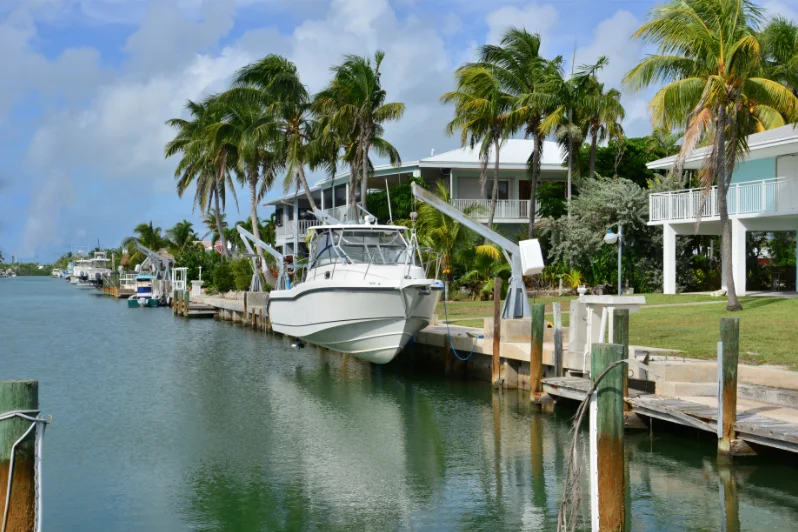
How to Move to Florida Checklist
Before you move to Florida, ensure you have your residency documents, such as a Florida driver’s license or ID, ready to go. Don’t forget to plan for the unique weather and wildlife considerations, like hurricane preparedness and pest control, when making your checklist.
Create and Allocate a Budget for Your Moving Plan
When preparing to move to Florida, it’s crucial to create a detailed budget to ensure a smooth transition. Start by listing all the expenses associated with the move, including moving company costs, transportation, temporary accommodation if needed, and any fees related to changing addresses or utilities. Research the cost of living in your new Florida city to accurately estimate ongoing expenses like housing, groceries, transportation, and healthcare.
Next, allocate funds for specific purposes within your budget. Set aside money for a security deposit or down payment on a new home or rental property, as well as for furnishing and decorating your new space. Budget for travel expenses if you need to make multiple trips to Florida for house hunting or other preparations. Consider setting up an emergency fund for unexpected costs or to cover any gaps in income during the transition period. Lastly, don’t forget to factor in one-time expenses like obtaining a Florida driver’s license, registering your vehicle, and updating your insurance policies to comply with state requirements. By planning and allocating your budget thoughtfully, you can minimize financial stress and focus on enjoying your new life in Florida.
Start Researching Cities and Neighborhoods
Researching cities and neighborhoods before a move is crucial for finding the best fit for your lifestyle and needs. Start by gathering information on factors like cost of living, job opportunities, schools, transportation, safety, amenities, and climate. Online resources such as real estate websites, city guides, forums, and social media platforms provide valuable insights into different areas, while virtual tools like Google Maps and Street View allow you to explore neighborhoods remotely. Engage with local communities, real estate agents, and expat networks for insider tips and personalized recommendations to make an informed decision about where to move.
Here’s what to do:
- Begin your research by identifying your priorities and preferences for your new city and neighborhood in Florida. Consider factors such as job opportunities, cost of living, schools (if applicable), transportation options, climate preferences, recreational activities, safety, and community amenities. Create a list of must-haves and nice-to-haves to guide your search.
- Utilize online resources like real estate websites, city guides, and forums to gather information about different cities and neighborhoods in Florida. Look for statistics on crime rates, school ratings, average housing prices, property taxes, and local amenities like parks, restaurants, shopping centers, and healthcare facilities. Pay attention to neighborhood vibes and demographics to see if they align with your lifestyle and preferences.
- Take advantage of virtual tools such as Google Maps, Street View, and social media platforms to explore potential neighborhoods remotely. Use these tools to get a sense of the layout, architecture, cleanliness, and overall feel of different areas. Additionally, reach out to local real estate agents, community groups, or expat networks for insider insights and recommendations about the best neighborhoods to consider for your move to Florida.
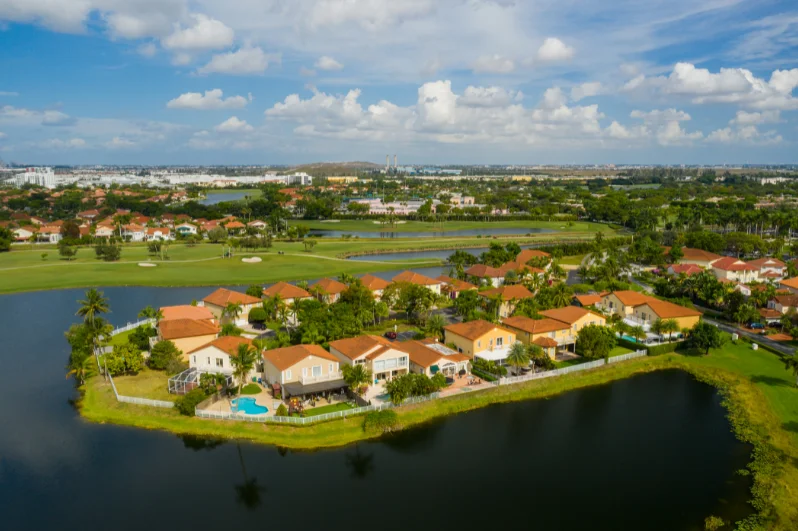
Estimate the Living Costs in the New Area Where You’ll Move To
Estimating the cost of living in your new city is essential for financial planning and ensuring a smooth transition. Start by researching key expenses such as housing, utilities, groceries, transportation, healthcare, and entertainment. Use online cost of living calculators and comparison tools to get a rough estimate of how these expenses in your new city compare to your current location. Factor in any differences in taxes, insurance rates, and other regional costs that may impact your budget.
Next, create a detailed budget that reflects your expected living costs in the new city. Consider your lifestyle preferences and any adjustments you may need to make, such as finding cheaper grocery stores or exploring public transportation options to save on commuting expenses. Build in a buffer for unexpected costs or emergencies, and regularly review and update your budget as you settle into your new city to ensure you stay on track financially. By carefully estimating your living costs and budgeting accordingly, you can better manage your finances and enjoy a successful move to your new home.
Sell Your Furniture and Hire a Moving Company
Selling your furniture before a move can be a practical way to lighten your load and reduce moving costs. Start by assessing which items you no longer need or that may not fit well in your new space. Consider selling larger pieces such as sofas, beds, dining sets, and appliances through online marketplaces, local classifieds, or garage sales. You can also donate items to charity or recycle them responsibly if they are not in sellable condition. By downsizing your furniture collection, you can streamline your move and potentially earn some extra cash.
When it comes to hiring a moving company, it’s essential to research and compare options to find a reputable and reliable company that fits your needs and budget. Request quotes from multiple moving companies, and consider factors such as their experience, services offered (such as packing, unpacking, and storage), insurance coverage, customer reviews, and pricing transparency. Schedule an in-person or virtual consultation with potential movers to discuss your requirements and get a detailed estimate. Make sure to read and understand the terms of the moving contract before signing to avoid any surprises on moving day. Hiring a professional moving company can save you time, effort, and stress during the moving process, allowing you to focus on settling into your new home smoothly.
Things to Do After You’ve Moved into Your New Home
Once you’ve moved into your new home, create a detailed plan for unpacking, organizing each room, and tackling essential tasks like setting up utilities, updating your address, and familiarizing yourself with local amenities.

Setup Your Utilities
Setting up your utilities involves a few key steps to ensure everything runs smoothly in your new space. First, gather information about the utility providers in your area for services like electricity, water, gas, internet, and cable. Contact each provider to initiate service activation or transfer if you’re moving within the same area. Make sure to schedule these activations well in advance of your move-in date to avoid any disruptions. Additionally, inquire about any deposits, fees, or required documentation needed to complete the setup process. Lastly, create a list of emergency contacts for each utility and keep it handy in case any issues arise after moving in. With these steps, you’ll have your utilities set up efficiently and be ready to enjoy your new home seamlessly.
Change Your Home Address
After moving to a new location, it’s crucial to update your home address on all your billing and other accounts promptly. Start by contacting the postal service to forward your mail to your new address temporarily. Then, compile a list of all your accounts, including utilities, banks, credit cards, insurance providers, subscriptions, and any other services that require your updated address. Reach out to each provider individually to update your address information. Some providers may allow you to do this online, while others may require a phone call or written request. Verify that your address is updated accurately to prevent any billing or delivery issues. Additionally, inform important contacts like your employer, friends, and family of your new address to ensure they can reach you without any disruptions.
Get a Florida Driver’s License
Getting a Florida driver’s license after moving into the state involves several steps. First, you’ll need to establish residency by providing proof of a Florida address, such as a lease agreement or utility bill. Next, schedule an appointment at your local Department of Highway Safety and Motor Vehicles (DHSMV) office. Prepare the required documents, including your current out-of-state driver’s license, social security card, proof of identity (like a passport or birth certificate), and proof of residency. You may also need to pass a vision test, provide fingerprints, and complete a written or driving test if your out-of-state license is expired. Once you’ve completed these steps and paid the applicable fees, you’ll receive your Florida driver’s license, allowing you to legally drive in the state.

Register as a Voter
To register as a voter in the state of Florida, you must be a U.S. citizen, a Florida resident, and at least 18 years old. You can register online through the Florida Division of Elections website, by mail using a voter registration application form, or in person at various locations such as your county’s Supervisor of Elections office, public libraries, and Department of Motor Vehicles offices. When registering, you’ll need to provide your Florida driver’s license number or state identification card number. Once your registration is processed and approved, you’ll receive a voter information card confirming your registration and specifying your assigned polling place for elections.
File for a Homestead Exemption
Filing for a homestead exemption in Florida is a beneficial step for homeowners that can lead to property tax savings. To qualify, you must be a permanent Florida resident and use the property as your primary residence as of January 1st of the tax year you’re applying for. The application process typically involves submitting a Homestead Exemption Application form to your county’s Property Appraiser’s Office along with supporting documents such as proof of residency, a copy of your Florida driver’s license or ID card, and vehicle registration if applicable. Once approved, the homestead exemption reduces the taxable value of your property, potentially saving you a significant amount on property taxes each year.
Explore Your Neighborhood and Introduce Yourself to Your New Neighbors
Exploring your new neighborhood and getting to know your new neighbors can be an exciting and rewarding experience. Start by taking walks or bike rides around the area to familiarize yourself with local parks, shops, restaurants, and community amenities. Introduce yourself to neighbors you encounter, whether during these outings or through planned visits to nearby homes. Building rapport with your neighbors can foster a sense of belonging and create a supportive network within your community. Consider hosting a casual gathering or attending neighborhood events to further connect with your neighbors and learn more about the vibrant tapestry of your new neighborhood.
You may also be interested in reading: Different House Types and which One Suites You Best

Different Kinds of Taxes in Florida that You Should Know About
- Florida State Income Tax: Florida is one of the few states in the United States that does not impose a state income tax on individuals. This means that residents of Florida do not have to pay state income tax on their wages, salaries, or other types of income earned within the state. This tax advantage is often cited as a reason why many individuals and businesses choose to move to or establish operations in Florida.
- Florida Sales Tax: The sales tax rate in Florida varies depending on the county and can range from 6% to 8.5%. This tax is applied to most retail sales of tangible personal property, as well as some services. However, certain items such as groceries, prescription medications, and medical equipment are exempt from sales tax. Businesses in Florida are responsible for collecting and remitting sales tax to the state’s Department of Revenue.
- Florida Property Tax: Florida imposes property taxes on real estate based on its assessed value. The tax rate can vary depending on the county and other factors such as local government millage rates. However, Florida offers several property tax exemptions and benefits, including the homestead exemption for primary residences, which can result in significant savings for homeowners.
- Corporate Taxes in Florida: Florida imposes a corporate income tax on businesses that are structured as C corporations. The corporate tax rate in Florida is a flat rate of 5.5% on federal taxable income attributable to Florida. However, Florida does not tax S corporations, partnerships, limited liability companies (LLCs), or sole proprietorships at the entity level. This tax structure makes Florida an attractive location for businesses looking to minimize their state tax liabilities.
The Takeaway
Moving to Florida can significantly enhance your quality of life in various ways. The state’s warm climate and beautiful beaches offer ample opportunities for outdoor activities and relaxation. Additionally, Florida’s diverse culture and vibrant communities provide a rich social life and a range of cultural experiences. Whether you’re seeking a more relaxed pace of living, better career prospects, or simply a change of scenery, Florida’s charm and opportunities make it an excellent choice for those looking to improve their overall well-being and enjoy a fulfilling lifestyle.