

Cincinnati-based First Financial Bank has committed to allocating $2.4 billion over the next five years for lending and investments targeting low- and moderate-income (LMI) clients and census tracts (for affordable mortgages). Under a community benefits agreement with the National Community Reinvestment Coalition (NCRC), 30% of this total will be specifically directed towards mortgage lending. This comprehensive initiative, running through 2028, encompasses over $1 billion for community development lending, affordable housing investments, revitalization efforts, and job creation projects in LMI areas.
A significant portion of the allocation, amounting to $700 million, will be invested in mortgage lending, with a specific focus on rural areas. Additionally, funds will be directed towards the development of community mortgage loan officers, small-dollar mortgages, and home improvement loans, among other products tailored for LMI borrowers. First Financial Bank’s strategy also involves investments in small-business lending and contributions to organizations dedicated to creating and preserving affordable mortgages. The bank aims to uphold at least 25% of its branches in LMI areas.
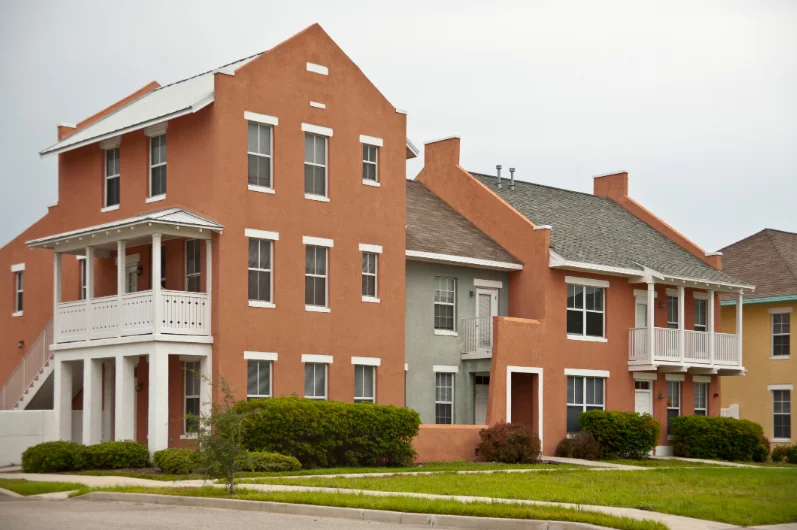
Optimism from the CEO About their Bank’s Plan on Affordable Mortgages
Jesse Van Tol, president and CEO of NCRC, expressed optimism about the impact of these commitments, stating that they will directly enhance the living conditions in under-resourced neighborhoods within the bank’s footprint. Archie Brown, president and CEO of First Financial, emphasized the bank’s commitment to taking a leading role in supporting its local communities.
In its previous five-year plan from 2018 to 2023, First Financial Bank exceeded its initial goal by investing $1.75 billion, a remarkable 192% increase. The governance structure of the new plan retains the advisory board established under the 2018 plan, with NCRC appointing half of its members. The bank will continue to provide both quantitative and qualitative reporting on the progress of the plan.
Notably, NCRC has facilitated 30 agreements with bank groups since 2016, resulting in over $580 billion in investments for mortgages, small businesses, community development lending, and various other initiatives. This announcement aligns with a broader trend in the banking sector, as demonstrated by New Jersey-based TD Bank’s recent commitment of $10 billion in affordable mortgages by 2027, encompassing loans and liquidity provisions to the residential lending market.
Benefits of Affordable Mortgages
Access to affordable housing is a cornerstone of a thriving society, and affordable mortgages play a crucial role in making homeownership a reality for many individuals and families. The benefits of affordable housing mortgages extend beyond just providing shelter; they contribute to stable communities, economic growth, and improved overall well-being. In this article, we will explore the various advantages of affordable mortgages and their positive impact on individuals and society as a whole.
Homeownership Stability
Affordable housing mortgages empower individuals and families to achieve the dream of homeownership. Owning a home provides stability, as it eliminates the uncertainties associated with renting. Stable housing is linked to improved mental and physical health, educational outcomes for children, and overall life satisfaction. Individuals with a sense of permanence in their living situation are more likely to invest in their community and contribute positively to its growth.

Wealth Building and Financial Security
Homeownership is a powerful tool for building wealth over time. As homeowners pay down their mortgages, they accumulate equity in their homes. This equity can be leveraged for future investments, education, or emergencies. Affordable mortgages offer a pathway to financial security, allowing individuals and families to build a nest egg and create a foundation for long-term prosperity.
Affordable Housing and Community Development
Affordable housing mortgages contribute to the development and revitalization of communities. When people can afford homes in a neighborhood, it fosters a sense of pride and community engagement. Homeowners are more likely to invest in maintaining and improving their properties, which enhances the overall appearance and appeal of the neighborhood. This, in turn, attracts businesses, boosts local economies, and creates a positive cycle of growth.
Economic Stimulus

Social Stability and Cohesion
Affordable housing contributes to social stability by creating communities with a mix of homeowners and long-term residents. This stability fosters a sense of belonging and social cohesion, as neighbors become invested in each other’s well-being. Stable communities are more likely to collaborate on local initiatives, support local schools, and create a safer and more nurturing environment for everyone.
Government and Tax Benefits
Governments often provide incentives to promote affordable housing, including tax benefits for homeowners. These incentives may include deductions for mortgage interest payments and property tax reductions. These measures make homeownership more attainable for a broader range of individuals, encouraging economic diversity and reducing income inequality.
The Takeaway
Affordable mortgages are a cornerstone of societal well-being, fostering stability, economic growth, and community development. As individuals and families secure their place in the housing market, the benefits extend far beyond the personal realm, positively impacting neighborhoods, local economies, and society as a whole. By recognizing the importance of affordable housing and supporting initiatives that make homeownership accessible, we can collectively build stronger, more vibrant communities.