

Buying a home is one of life’s most significant milestones, representing stability, security, and often, a significant financial commitment. However, navigating the financial landscape of purchasing a home can be daunting and stressful for many individuals. From down payments to mortgages and closing costs, the financial aspects of buying a home require careful planning and consideration to avoid unnecessary stress. In this article, we’ll explore effective strategies for managing financial pressure during home purchases, helping you approach this milestone with confidence and peace of mind.

Establish a Realistic Budget
Before diving into the home-buying process, it’s crucial to establish a realistic budget based on your financial situation. Start by assessing your current income, expenses, savings, and any existing debts. Consider factors like your credit score, employment stability, and future financial goals. Your budget should not only account for the upfront costs of purchasing a home but also factor in ongoing expenses such as property taxes, homeowners insurance, maintenance, and utilities.
Creating a detailed budget will give you a clear understanding of how much you can afford to spend on a home without overextending yourself financially. Use online calculators and consult with financial experts if needed to ensure your budget is realistic and sustainable.
Save for a Down Payment and Closing Costs
Saving for a down payment is one of the most significant financial challenges for homebuyers. A larger down payment not only reduces your mortgage amount but also improves your chances of securing a favorable interest rate. Aim to save at least 20% of the home’s purchase price for the down payment to avoid private mortgage insurance (PMI) costs.
In addition to the down payment, budget for closing costs, which typically range from 2% to 5% of the home’s purchase price. These costs include fees for loan origination, appraisal, title insurance, attorney fees, and other administrative expenses. Start saving early and explore programs or incentives that may help reduce your upfront costs, such as first-time homebuyer programs or seller concessions.
Improve Your Credit Score
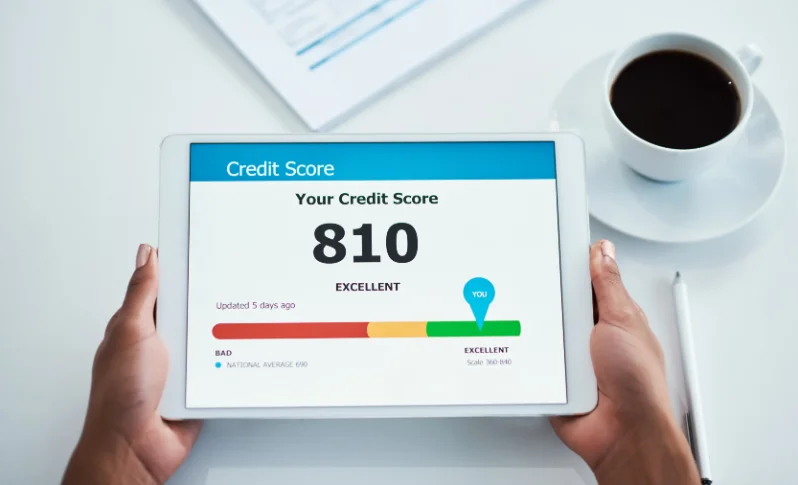
Your credit score plays a significant role in determining your mortgage eligibility and interest rates. A higher credit score not only increases your chances of loan approval but also qualifies you for better loan terms and lower interest rates, saving you thousands of dollars over the life of your mortgage.
Take proactive steps to improve your credit score before applying for a mortgage. Pay off outstanding debts, make timely payments, avoid opening new credit accounts, and keep your credit utilization ratio low. Monitor your credit report regularly and address any errors or discrepancies promptly to ensure your credit score accurately reflects your financial responsibility.
Get Pre-Approved for a Mortgage
Obtaining pre-approval for a mortgage before house hunting can streamline the home-buying process and provide a clear understanding of your budget and financing options. Pre-approval involves a lender reviewing your financial information, credit history, and employment status to determine the maximum loan amount you qualify for and the interest rate you’ll receive.
Being pre-approved not only strengthens your offer when making an offer on a home but also gives you a competitive edge in a competitive market. Compare mortgage offers from multiple lenders to find the best terms and rates that align with your financial goals and budget.
Consider Alternative Financing Options
In addition to traditional mortgages, explore alternative financing options that may help alleviate financial pressure during the home-buying process. For example, government-backed loans such as FHA loans or VA loans offer lower down payment requirements and flexible eligibility criteria for qualifying borrowers.
Other options include seller financing, lease-to-own agreements, or shared-equity programs that provide alternative paths to homeownership while offering financial flexibility and affordability. Research and compare different financing options to find the one that best suits your financial situation and long-term goals.
Factor in Long-Term Costs and Maintenance
When purchasing a home, it’s essential to consider not only the initial costs but also the long-term financial implications. Factor in ongoing expenses such as property taxes, homeowners insurance, maintenance, repairs, and utilities into your budget to ensure you can afford the total cost of homeownership.
Create a contingency fund for unexpected expenses or emergencies, such as major repairs or job loss, to protect your financial stability and avoid undue stress. Being prepared for the long-term financial responsibilities of homeownership can help you navigate challenges and enjoy a more secure and fulfilling homeownership experience.

Work with Experienced Professionals
Navigating the financial complexities of buying a home can be overwhelming, but you don’t have to do it alone. Work with experienced real estate agents, mortgage lenders, financial advisors, and legal professionals who can provide guidance, advice, and support throughout the home-buying process.
Seek recommendations, read reviews, and interview potential professionals to find trustworthy and knowledgeable experts who understand your financial goals and can help you make informed decisions. Building a strong support team can make a significant difference in managing financial pressure and achieving a successful home purchase.
The latest real estate news: Surging Interest Rates Drive Demand for Riskier Adjustable-Rate Mortgages to a Yearly Peak
Other Considerations in Managing Financial Pressure in Purchasing a Home
Managing financial pressure during home purchases requires careful planning, budgeting, and informed decision-making. By establishing a realistic budget, saving for a down payment, improving your credit score, getting pre-approved for a mortgage, exploring alternative financing options, considering long-term costs, and working with experienced professionals, you can navigate the home-buying process with confidence and ease.
Remember that buying a home is a significant financial commitment, and it’s essential to prioritize financial stability, sustainability, and affordability to avoid unnecessary stress and enjoy a rewarding homeownership experience. With the right strategies and support, you can achieve your homeownership goals and create a secure and comfortable living environment for you and your family.