

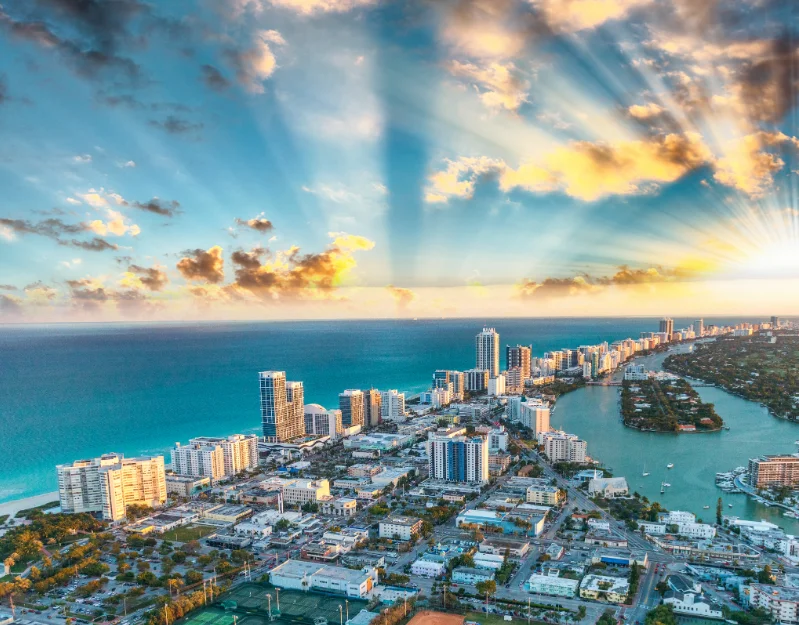
The allure of Florida’s real estate market is akin to its nickname, “The Sunshine State” — radiant, inviting, and full of promise. Despite periodic fluctuations seen in real estate markets worldwide, Florida’s market stands out as a beacon of stability and growth. In this article, we delve into the factors that contribute to Florida’s bright future in real estate, from its economic resilience to its diverse investment opportunities and coveted lifestyle.
Economic Resilience
Florida has demonstrated remarkable economic resilience, weathering various storms such as the 2008 financial crisis and more recent challenges like the COVID-19 pandemic. The state’s diversified economy, encompassing sectors like tourism, healthcare, technology, and finance, contributes to its stability. Even during downturns, Florida’s real estate market has shown resilience, with property values holding relatively steady and rebounding swiftly after temporary setbacks.
Population Growth
One of the primary drivers of Florida’s real estate market is its continuously growing population. People flock to the state for various reasons, including its favorable tax environment, diverse job opportunities, and appealing lifestyle. The influx of residents, both domestic and international, fuels demand for housing across various segments, from luxury beachfront properties to suburban family homes and urban condominiums.
Tourism and Hospitality Sector
Florida’s robust tourism and hospitality sector play a crucial role in driving real estate demand. The state’s world-renowned attractions, including theme parks, beaches, and cultural destinations, draw millions of visitors annually. This influx of tourists not only supports businesses but also fuels demand for vacation homes, rental properties, and investment opportunities in hospitality-related real estate.

Retirement Destination
Florida has long been a favored destination for retirees seeking warm weather, recreational activities, and a vibrant community. The state’s retirement-friendly infrastructure, including age-restricted communities, healthcare facilities, and recreational amenities, makes it an attractive choice for retirees from across the United States and internationally. The demand for retirement homes and senior living options contributes significantly to Florida’s real estate market strength.
Strong Rental Market
The rental market in Florida remains robust, offering investors favorable opportunities for income generation and capital appreciation. Cities like Miami, Orlando, and Tampa boast strong rental demand driven by factors such as job growth, student populations, and transient professionals. Additionally, vacation rentals in popular tourist destinations attract investors looking to capitalize on short-term rental income, further bolstering the state’s real estate market.
Tech and Innovation Hubs
Florida is emerging as a hub for technology and innovation, attracting startups, established tech companies, and entrepreneurs. Cities like Miami have gained attention as tech-friendly environments, fostering growth in sectors such as fintech, biotech, and aerospace. The influx of tech talent and investment translates into increased demand for residential and commercial real estate, particularly in areas with thriving tech ecosystems.

Infrastructure Development
Continued investment in infrastructure enhances Florida’s appeal for real estate investors and residents alike. Projects such as transportation upgrades, new developments, and revitalization initiatives contribute to property value appreciation and economic growth. Improved connectivity through highways, airports, and public transit systems further cements Florida’s position as a desirable location for real estate investment and development.
Climate Resilience and Sustainability
As climate change becomes an increasingly pressing global issue, Florida’s focus on climate resilience and sustainability in real estate development is noteworthy. From eco-friendly residential communities to sustainable commercial buildings, developers and policymakers prioritize environmentally conscious practices. This commitment not only aligns with global sustainability goals but also enhances the long-term value and attractiveness of Florida’s real estate market.
Diverse Investment Opportunities
Florida offers a diverse range of investment opportunities across residential, commercial, and mixed-use properties. Whether investors seek high-end luxury homes, income-generating rental properties, retail spaces, or development projects, the state’s dynamic real estate market accommodates various investment strategies. Additionally, Florida’s favorable tax environment, including no state income tax, enhances the appeal of real estate investment for individuals and businesses.

Quality of Life and Lifestyle Appeal
Beyond economic factors, Florida’s real estate market thrives due to its exceptional quality of life and lifestyle appeal. From pristine beaches and outdoor recreation to cultural attractions, fine dining, and entertainment options, the state offers a vibrant and diverse lifestyle. This allure attracts not only residents but also vacationers, investors, and businesses seeking a thriving and enjoyable environment.
Quotes from Top Real Estate Experts in Florida
Real Estate
“Florida’s real estate market is poised for sustained growth over the next twenty years and beyond. The state has witnessed a rapid surge in its population recently, leading to increased demand for affordable housing options. This trend is expected to continue due to several key factors, including Florida’s robust job market, favorable tax policies, and a comparatively lower cost of living compared to many other states. Realtors operating in Florida express gratitude for the steadfast support and dedication of the state’s Legislature and Cabinet towards not only realizing the American dream of homeownership but also ensuring that all Floridians have access to safe and affordable housing near their workplaces.
Additionally, Florida’s real estate landscape is diversifying as it attracts international visitors, retirees, and others seeking to bask in its warm climate, stunning beaches, and enviable lifestyle. While this growth presents exciting opportunities, it also poses challenges in maintaining a delicate balance between economic prosperity, meeting diverse housing needs, and preserving the state’s unique quality of life for future generations.”
— G. Mike McGraw and Margy Grant, president and CEO, Florida Realtors
Commercial Real Estate
“The upcoming decade in Florida promises abundant growth prospects for residents, employees, and tourists alike. This expansion will spur increased development throughout the state, encompassing housing, industrial projects, retail spaces, and hospitality ventures. A key challenge we must tackle is ensuring affordable housing as we move forward along this path. Implementing sound public policies to facilitate intelligent development alongside private investment can aid in this endeavor, although managing the influx of newcomers will pose difficulties. Drawing in new businesses and top talent to Florida stands out as a significant opportunity, bolstered by our advantageous factors such as the absence of state income tax, delightful weather, high quality of life, and a business-friendly environment.”
— Michael Weinberg, managing director, Berkadia, Orlando

Small Business
“Over the next ten years, small business owners in our state will encounter both exciting prospects and challenges. The Florida Chamber anticipates that by 2030, our state will be home to 26 million residents. This population growth, coupled with rapid technological advancements and shifts in the job market, will have significant implications for small businesses in Florida. Our markets are expanding globally, and technology continues to transform various industries. Despite these changes, Florida’s small businesses have consistently demonstrated resilience. By staying adaptable and relevant, small business owners in Florida can capitalize on the upcoming opportunities and achieve success in an ever-evolving global market.”
— Greg Britton, state director, Florida Small Business Development Center Network, Pensacola
Real estate news: Homebuyers Expect Higher Mortgage Rates, but Fannie Mae Predicts a “Thaw” in the Housing Market in 2025
Influence of the Latino Population in Florida’s Economy
- Florida’s 2018 Latino GDP was $259 billion, larger than the economic output of Louisiana.
- From 2010 to 2018, Florida’s Latino population growth was nearly 5 times that of non- Latinos and the Latino labor force grew more than 13 times as quickly as the non-Latino labor force.
- About one quarter — more than 7 million out of an expected statewide population of 26 million — of Floridians are expected to be of Hispanic descent by 2030.
Sources: Latino Donor Collaborative and Wells Fargo, 2022; Bank of America Charitable Foundation, 2022; University of Florida Bureau of Economic and Business Research, 2021.
Conclusion
Florida’s real estate market shines bright due to a combination of economic resilience, population growth, diverse investment opportunities, and lifestyle appeal. As the state continues to evolve as a global destination for business, innovation, and leisure, its real estate market remains a beacon of opportunity for investors, residents, and visitors alike. With a focus on sustainability, infrastructure development, and economic diversification, Florida is poised for a prosperous future in real estate.