

You’ve spent weeks, possibly months, searching for the ideal home, and at last, you’ve found it. The price is just right, it’s located in the school district of your choice, and you can easily envision your family thriving there for years. Together with your realtor, you’ve crafted a sensible offer, complete with all necessary contingencies, including the crucial home inspection.
Undoubtedly, the home inspection stands as one of the pivotal aspects of a real estate contract, never to be underestimated. I’ve reiterated this countless times, and I’ll likely reiterate it many more times: whether you’re purchasing an existing home or new construction, always prioritize obtaining your own home inspection! Nevertheless, there exist certain etiquettes to adhere to when negotiating repairs based on the findings from the home inspection report.
Buying a home is a significant investment, and one of the crucial steps in the home buying process is the home inspection. A home inspection helps uncover any potential issues with the property, giving the buyer a clearer picture of what they’re getting into. However, once the inspection report is in hand, negotiations often follow regarding repairs or credits. Here’s a comprehensive guide on how to negotiate home inspection and repairs as a homebuyer.

How the Negotiation Process Works
Make a Reasonable Offer
Making a reasonable offer for a home inspection involves several key steps. First, ensure that your offer includes a provision for a professional home inspection conducted by a qualified inspector of your choice. This step is crucial as it allows you to uncover any potential issues with the property before finalizing the purchase. Next, consider the market value of similar properties in the area and factor in any repairs or updates that may be needed based on the inspection report. It’s essential to strike a balance between offering a fair price that reflects the property’s condition and allowing room for negotiation based on the inspection findings. Finally, work closely with your real estate agent to craft an offer that is both competitive and reasonable, taking into account market conditions and the seller’s expectations.
Negotiating tip: Your offer should reflect your observations outside of the home inspection. It’s advisable to tackle repair issues after completing your inspection. Since the inspection serves as a contingency, you’re not obligated to the contract if you and the seller fail to reach an agreement on repairs.
Have the Home Inspection Team Start the Inspection
Typically, this occurs within the initial 7-10 days following the ratification of your offer, aiming to furnish you with a comprehensive assessment of the property’s condition. You can expect to receive an extensive list of imperfections during this process.
Negotiating tip: Direct your attention to the problematic areas concerning mechanical systems, structural integrity, or safety hazards. These are issues that can significantly impact your living conditions and overall quality of life.
Determine What Repairs You Want to Have Completed
There are three categories of buyers during repair negotiations.
- No repairs needed: The buyer acknowledges some issues but deems them minor enough to handle independently.
- Partial repairs: The buyer requests that the seller only address items posing safety risks.
- Comprehensive repairs: Except for newly constructed homes, expecting the seller to fix every single issue is impractical. As they say, you can’t turn chicken poop into chicken salad.
Negotiating tip: For buyers seeking an almost flawless older home, my recommendation would be to consider purchasing new construction.

Forward List of Repairs to the Home Seller
After your home inspection concludes, you and your Realtor will compile the repair list to provide to the seller. Remember, there’s a deadline in place. Whatever timeframe you and the seller have agreed upon (whether it’s 7, 10, 14 days, for instance), you must ensure not only the inspection’s completion but also the delivery of your repair list to the seller before this deadline expires. In our area, this list is officially known as the home inspection removal addendum.
Negotiating tip: Instruct your realtor to include in the addendum that all work must be carried out by licensed and insured professionals in their respective fields. If you’re thinking about requesting a credit, you’ll need to obtain quotes in advance while ensuring that you stay within your deadline.
Ask the Seller to Make Repairs or Ask for a Credit?
Naturally, the buyer aims for minimal post-move-in tasks, while the seller aims for maximum profit. Successful negotiation entails each party attaining their desired outcomes, making it potentially beneficial for everyone if the buyer receives a credit at closing rather than having the seller undertake requested repairs. This option becomes particularly viable when dealing with significant repair expenses.
Negotiating tip: Think about obtaining a cash credit that can be applied either to the sales price or closing costs. This approach gives you complete control over the repair process.
Negotiating tip: Provide the seller with a copy of the home inspection summary page. This allows the seller to confirm which items need attention. Additionally, in many instances, the seller may not have been aware of the issue initially.
Come to an Agreement or Walk Away
The home inspection holds significant leverage for you as a buyer in a real estate transaction. However, the seller has four options regarding your repair list:
- The seller can agree to complete all repairs.
- The seller can agree to complete some of the repairs.
- The seller can agree to complete no repairs.
- The seller can agree to provide you with a credit instead of completing repairs.
The home inspection is your strongest leverage because if you and the seller don’t agree on the repair list, you have the option to simply walk away from the transaction.
Negotiating tip: Exercise reasonableness. If you decide against purchasing a home because the seller declined to replace a single electrical outlet, it’s likely that you weren’t genuinely interested in buying the home. Such situations are not uncommon.

Home Repairs that you Can Forego
- You shouldn’t include minor landscaping issues in your repair requests. While the seller might offer to enhance the flower beds, you shouldn’t expect them to do so as a condition of the sale.
- This includes things like decorative elements such as paint, wallpaper, brass light fixtures, cabinet styles, etc. Also, defects that are easily fixable, such as missing caulking, a smoke detector, or a loose toilet seat, shouldn’t be on your list.
- Normal wear and tear, which can include hairline cracks, gaps between woodwork and walls, carpet stains, or failing window seals, are to be expected in homes older than a few months.
- Any small repairs that can be done quickly and inexpensively should also not be included. The seller might still choose to address these if approached with a positive attitude.
- Repairs or renovations that you had already planned to do yourself shouldn’t be requested from the seller.
- Minor water damage, like a watermark on the ceiling or wall from a past issue, can be overlooked unless a home inspector’s device indicates ongoing moisture or unresolved problems.
Negotiating tip: In addition to being a real estate transaction, remember that you’re also interacting with individuals or families. The phrase “asking for everything plus the kitchen sink” might be relevant here, especially if the buyer managed to negotiate a significant reduction from the listing price at the start of the deal.
Repairs That Shouldn't Be Avoided
- Defective or outdated wiring and fixtures: Any issues involving electricity should be prioritized when discussing repairs due to safety considerations. You shouldn’t have to purchase a home with concerns about potential shocks or fires.
- Mold: This presents a significant health hazard that can lead to serious problems both immediately and in the future. Mold is often detectable by its smell, but it may not always be visible. A thorough home inspection can uncover hidden mold, along with identifying its underlying cause, whether it’s poor ventilation, water leaks, or roof issues.
- Termite damage: Infestations can cause extensive and costly damage if left untreated, and mortgage lenders typically require a clean termite report before approving loans.
- Inadequate drainage: Pay attention to how the property’s landscape slopes. If it slopes toward the house without proper redirection, it could lead to expensive repairs down the line.
- Unpermitted DIY projects: While minor tasks like installing a swing may be fine, major renovations should have proper permits. A home inspection will reveal whether such projects were completed correctly.
- Significant plumbing issues: Any areas of concern that could result in substantial damage should be included in the repair negotiations.
- Critical mechanical issues: Essential systems such as the hot water tank and HVAC should be in good working order. Sometimes, servicing these units rather than outright replacement can resolve the issue.
Negotiating tip: Negotiating is often misunderstood as a process of overpowering the other party to claim total victory. However, this approach usually backfires. When buyers approach repairs with compassion, they tend to achieve more of their desired outcomes.
Negotiating tip: Anything you put in a contract or addendum becomes part of the deal as long as both parties agree in writing. For instance, you and the seller might agree to make the sale conditional on the seller setting aside a specific amount from their proceeds at closing to cover post-sale repairs. This approach is advantageous if the seller lacks the funds for repairs because, regardless of negotiation skills, you can’t squeeze water from a dry rag.
Consider the Market
A Buyer’s Market occurs when there are more homes listed for sale than there are buyers interested in purchasing.
Conversely, a Seller’s Market arises when there are more buyers seeking homes than there are properties available for sale.
During a Buyer’s Market, sellers are often relieved to receive offers for their homes due to the high level of competition. It’s beneficial to act reasonably and avoid taking advantage of sellers’ situations for your long-term interests.
In a robust Seller’s Market, it’s common to see multiple offers for a single property. Buyers may resort to various strategies to secure a deal, such as increasing their offer price or foregoing repair requests.
Negotiating tip: If you encounter a frenzied Seller’s Market, it’s wise to conduct a home inspection but consider including the clause “For Informational Purposes Only” in the agreement.
Ultimately, make independent decisions and choose your conflicts based on the prevailing conditions of the real estate market around you.
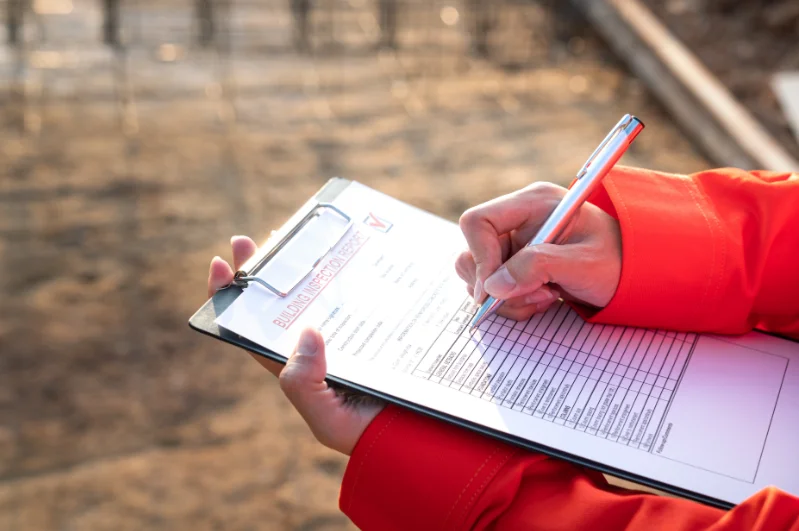
Understanding the Home Inspection Report
The first step in negotiating repairs after a home inspection is to thoroughly understand the inspection report. The report typically covers various aspects of the property, including:
- Structural Integrity: This includes the foundation, walls, roof, and overall structural soundness of the property.
- Mechanical Systems: Inspectors check heating, ventilation, air conditioning (HVAC) systems, plumbing, and electrical systems for functionality and safety.
- Exterior: This covers the condition of the exterior walls, windows, doors, and any attached structures like decks or patios.
- Interior: Inspectors evaluate the condition of walls, ceilings, floors, and the overall interior of the property.
- Safety Concerns: Any safety hazards such as mold, radon, or lead-based paint are usually noted.
Once you have a clear understanding of the inspection report, prioritize the issues based on their severity and potential costs to address. This will help you focus your negotiations on the most critical items.
Negotiating Tip: Never talk about the plans or renovations that you have for the home to the listing agent or the seller. This could affect negotiations with the initial price and repairs.
You may also want to read: From Concept to Concrete: The Journey of Proptech into the Real Estate Realm
Preparing for Negotiations
Before entering negotiations, gather information to support your requests. This includes:
- Quotes: Obtain quotes from reputable contractors or specialists for the repairs mentioned in the inspection report. Having these estimates handy strengthens your negotiation position.
- Comparable Properties: Research comparable properties in the area to understand how the issues identified in the inspection report might affect the property’s value. This information can be useful in negotiations.
- Local Laws and Regulations: Familiarize yourself with local laws and regulations regarding home inspections and repairs. Some states may have specific disclosure requirements or seller responsibilities.
Initiating Negotiations
When initiating negotiations, it’s essential to approach the process respectfully and professionally. Here are steps to guide you:
- Prioritize Requests: Start by drafting a list of repair requests based on the inspection report. Highlight critical issues that affect the property’s safety, structural integrity, or functionality.
- Presenting Your Requests: Submit your repair request list to the seller or their agent along with supporting documentation such as quotes and relevant portions of the inspection report.
- Open Communication: Keep communication channels open and be prepared to discuss your requests with the seller. Approach the negotiations with a mindset of finding a mutually beneficial solution.

Strategies for Successful Negotiations
Negotiating home inspection repairs requires tact and strategy. Here are some tips for successful negotiations:
- Focus on Safety and Structural Issues: Emphasize repairs related to safety hazards, structural integrity, and major mechanical systems. These are usually non-negotiable items that sellers are more inclined to address.
- Be Realistic: While it’s essential to advocate for necessary repairs, be realistic in your expectations. Understand that not all cosmetic issues or minor defects may warrant repair negotiations.
- Offer Options: Provide the seller with options. For instance, you can request that they complete the repairs before closing or offer a credit at closing to cover the cost of repairs.
- Stay Flexible: Negotiations are a give-and-take process. Be open to compromise and alternative solutions that meet both parties’ needs.
- Consider Seller’s Perspective: Understand that sellers may have budget constraints or limitations on what they can address. Being empathetic to their situation can facilitate smoother negotiations.
Closing the Negotiation
Once an agreement is reached on the repairs, ensure that the terms are clearly documented in writing, typically as an addendum to the purchase agreement. The agreement should outline:
- Specific Repairs: Detail the repairs to be completed, including who will perform them and by what deadline.
- Responsibilities: Clarify each party’s responsibilities regarding the repairs, such as who will pay for the repairs and how the funds will be handled.
- Contingencies: Include any contingencies, such as re-inspection after repairs, to ensure the agreed-upon repairs meet the desired standards.
- Consequences of Non-Compliance: Specify the consequences if either party fails to uphold their obligations under the agreement.
Post-Negotiation Steps
After negotiations are finalized, follow up to ensure that the agreed-upon repairs are completed satisfactorily. This may involve:
- Re-Inspection: Arrange for a re-inspection by a qualified inspector to verify that the repairs have been completed as agreed.
- Documentation: Keep copies of all documentation related to the negotiated repairs, including invoices, receipts, and the final inspection report.
- Final Walk-Through: Conduct a final walk-through of the property before closing to ensure that all repairs are in place and the property is in the agreed-upon condition.
The Takeaway
Negotiating home inspection and repairs is a crucial aspect of the home buying process. By understanding the inspection report, preparing for negotiations, employing effective strategies, and documenting agreements, homebuyers can navigate this process with confidence. Clear communication, realistic expectations, and a willingness to collaborate can lead to successful negotiations that benefit both buyers and sellers.