

Choosing between a newly built home and an existing one can be a tough decision. While the allure of constructing your dream home is strong, it comes with its own set of challenges not typically found in existing properties. Factors like cost and timeline can vary significantly depending on your choice, so we’ll guide you through the advantages and disadvantages to help you anticipate what lies ahead.
The Difference Between Pre-Owned Homes and a New Homes
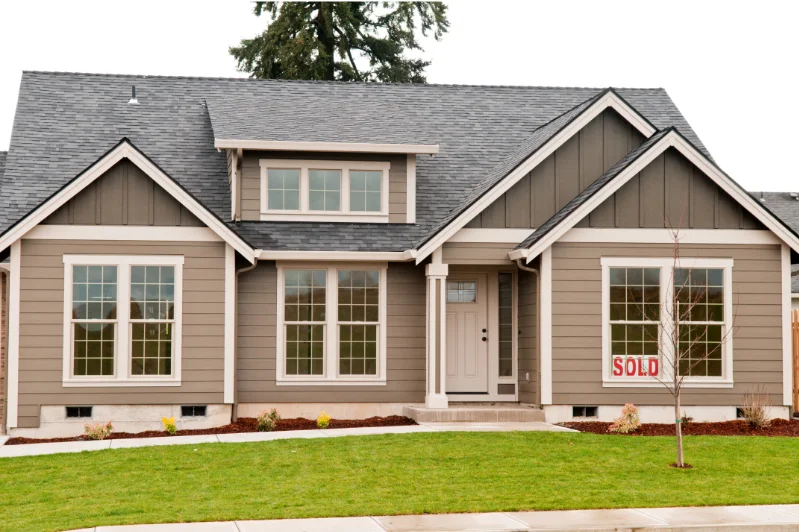
- A Newly Constructed Home – A newly constructed home refers to a residential property that has recently been built and has not been previously owned or occupied. These homes are typically built by developers or construction companies and are often customized to meet modern design standards and technological advancements.
- Pre-Owned Home – A pre-owned home, also known as a resale home or existing home, is a residential property that has been previously owned and occupied by one or more individuals or families before being put up for sale again. These homes can vary in age, condition, and style, depending on their history and the level of maintenance they have received over time.
The Costs of Building vs. Buying a Home
Historically, the price difference between newly constructed homes and existing ones used to be significant, but this gap has been narrowing in recent times. In certain locations, you might discover that the expenses associated with building a new home versus purchasing one are nearly equal. Factors such as elevated mortgage rates and limited housing stock contribute significantly to the elevated prices of existing homes, prompting some buyers to consider new construction options. Conversely, in some regions, it’s still common to observe a price disparity of approximately 15% between new and existing homes.
Additional Costs and Fees
Whether you’re purchasing a newly built home or an existing one, the financing process is generally alike. However, if your intention is to create and construct a personalized home, you’ll require a construction loan for acquiring the land, building the property, and managing the financing throughout. These loans typically entail additional costs and fees, rendering them more costly than a traditional mortgage.

Interest Rates
- Building a new home will have a higher mortgage rate: When constructing a home instead of purchasing an existing one, the expense of borrowing money increases. This is because the higher interest rate compensates for the risk undertaken by your lender in funding a complex construction endeavor.
- Buying a pre-owned home will have a lower mortgage rate: Purchasing a pre-built home typically results in a lower interest rate. This is due to the reduced risk of project costs surpassing initial estimates, which could potentially hinder your ability to repay the loan.
Closing Costs
Building a new home will have a higher closing costs: Opting for a new construction or custom build may involve increased closing costs compared to purchasing an existing home. This is primarily due to builders typically requesting substantial deposits. It’s common for builders to seek upfront payments of around 10% of the total construction expenses. This deposit, often referred to as “earnest money,” serves as an indication of your commitment and investment in the project, and it typically constitutes a portion of your down payment.
Buying a pre-owned home will have a lower closing costs: You have the option to buy an already-built house with a down payment as low as 3% through a conventional loan or with a down payment ranging from 3.5% to 10% via an FHA loan supported by the Federal Housing Administration.
Pros and Cons of Building a New Home
The Pros
- You’ll get a modern floor plan: Recently built houses are crafted to attract modern buyers, increasing the chances of discovering a layout that aligns with your lifestyle. The majority of these new homes feature an open floor plan, expansive windows, and greater storage capacity compared to older homes.
- You may be able to personalize your home: You might have the opportunity to personalize aspects of the house, but the extent of this customization varies based on whether you opt for a custom-built home or purchase from a builder. For example, numerous builders permit you to select finishes, fixtures, and optional features. You could potentially make structural modifications to both the exterior and interior, or choose the flooring, appliances, cabinets, paint hues, and lighting fixtures.
- You’ll likely have lower maintenance costs: Because the systems, appliances, roof, and foundation are all new, the likelihood of having to pay for significant or minor repairs in the initial years of homeownership is reduced. This can significantly benefit first-time homebuyers as they transition from renting to owning.
- You’ll have warranties on some parts of your home: In the event of a repair being necessary due to a mishap, you may have an additional safeguard: warranties. Builders commonly provide warranties lasting one or two years for components such as plumbing and electrical systems. Additionally, some offer a 10-year warranty covering structural elements. Furthermore, you’ll typically receive a manufacturer’s warranty for the new appliances and heating and air conditioning system in the home.
- You’ll probably pay less in utility bills: You might notice reduced utility bills since newly constructed homes comply with the most recent building codes and typically boast higher energy efficiency compared to older homes.
- Your home will likely be “smarter” than an older home: Newly built homes frequently come equipped with locks, thermostats, and other features that can be managed using your smartphone.

The Cons
- You may have to wait longer to move: On average, constructing a single-unit home typically requires about eight months, as reported by the U.S. Census Bureau. If you require a faster move-in timeline, purchasing an existing home might be a preferable choice, unless you come across a newly finished or nearly finished home from a builder.
- The location may not be ideal: Due to the steep land prices in urban and nearby suburban areas across numerous markets, a significant number of new homes are constructed in more remote locations. This may result in an extended commute or reduced access to the amenities you typically appreciate.
- You’re likely to need to pay homeowner association fees: Although there are benefits to having a homeowner’s association (HOA), such as access to community amenities and regulations that ensure property upkeep, some homeowners opt not to reside within an HOA-regulated area. Census data indicates that approximately two-thirds (66%) of newly constructed homes are located within an HOA. However, if you’re constructing a completely customized home, it’s probable that you won’t be subject to an HOA.
- You may be responsible for landscaping: While some home builders may include plants or grass as part of a new home package, others might leave the landscaping responsibilities to you. This variance can impact the overall cost of building a home compared to purchasing one. Additionally, if you have a fondness for greenery, it might require patience as newly planted vegetation takes time to establish roots and thrive.
Pros and Cons of Buying Pre-Owned Homes
The Pros
- You may be able to move in more quickly: When purchasing an already existing home, you and the sellers will discuss and agree upon the timeline for closing and moving day. If you’re eager to move promptly, it’s likely achievable. However, when constructing a new home, your timeline is contingent upon the builder’s schedule. This schedule may be less predictable due to possible delays caused by weather conditions, material procurement, or contractor availability.
- You may prefer the location: Newly constructed homes are often situated in areas farther from urban cores or inner suburbs, primarily because these locations have limited available land for new construction. If your preference is to reside closer to a city or amenities such as coffee shops, stores, and restaurants, an existing home may be the preferable choice for you.
- You’re moving into an established neighborhood: For numerous homebuyers, key location-related considerations include the quality of the school district and the sense of community. Purchasing an existing home means becoming part of a neighborhood that already has schools, parks, shopping centers, and commuter routes established. In contrast, in new communities, many of these amenities are still in the process of being developed.
- You’re more likely to have mature landscaping — and maybe a bigger yard: Mature plants are typically found closer to existing homes, whether they’re on your property or in the surrounding neighborhood, compared to recently constructed ones. Additionally, older homes in certain communities tend to feature larger lots.
- You may be able to add value with upgrades: Certain buyers opt for a “fixer-upper” as they desire the opportunity to personalize the property and potentially enhance its resale value through cosmetic improvements. A fixer-upper loan can be utilized to fund your acquisition and renovate the property prior to your relocation. Furthermore, if a home possesses distinctive physical features or historical anecdotes that contribute charm, such aspects can sometimes bolster the property’s resale worth.
The Cons
- Your floor plan and design features may be outdated: Older homes might not quite match what you picture when you think of a light, airy dream home. Many have smaller closets and windows and a more closed-off, formal floor plan. Popcorn ceilings, wall-to-wall carpet and other dated features may also tag along for the ride, bringing you on a deflating tour of the design trends of yesteryear.
- Your home’s design will be less personal: Incorporating a finished attic or sunroom, or selecting kitchen cabinets and countertops that match your preferences, is generally more straightforward when dealing with a newly constructed home. Conversely, altering the structure of an existing home through remodeling can often be complex and costly.
- You may need to budget for some big repairs: Repairs costing thousands of dollars may be looming ahead, contingent upon the age and condition of the home. According to Consumer Reports, the average age of an existing home is around 40 years, and most appliances have a lifespan of approximately a decade.
- Your utility bills could be higher: A pre-existing home might be equipped with less energy-efficient appliances, an aging heating and air conditioning system, inadequate insulation, and less effective windows. Consequently, your home may consume or lose a significant amount of additional energy, leading to higher monthly utility expenses.
Closing Notes
Buying a home is a significant milestone, and whether you choose a new build or an existing property depends on your unique needs and preferences. New homes often offer modern amenities, customization options, and warranties, while existing homes may have more character, established neighborhoods, and potentially lower costs. Ultimately, the decision boils down to what suits your lifestyle, budget, and long-term goals. Happy house hunting, and may your new home bring you joy and comfort for years to come!