

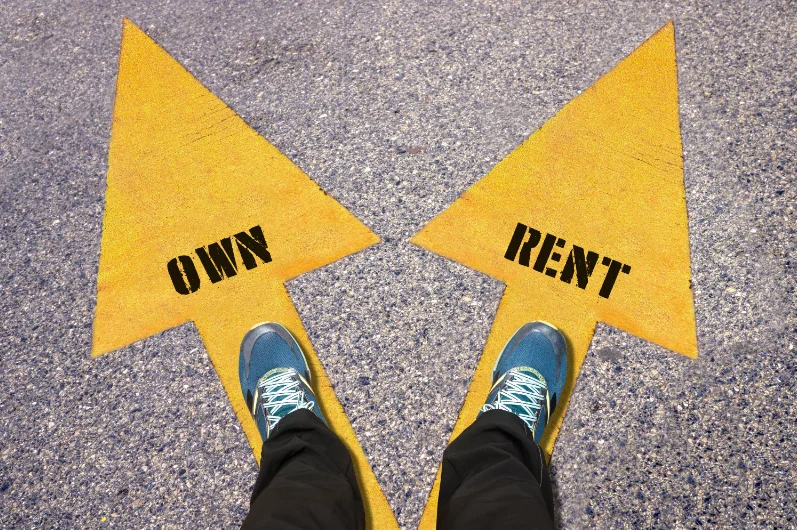
Owning a place to call your own is a universal aspiration. Regardless of the prevailing circumstances, the common goal is to create a secure and comfortable haven for ourselves and our loved ones. The decision to either purchase or lease a house is inherent to this desire.
Opting for rental accommodation might seem like the more straightforward choice. However, the drawback is that a rented residence cannot be a permanent abode, as ownership remains with someone else.
Conversely, acquiring a house ensures a lasting dwelling. Yet, the initial considerations are demanding and hinge on one’s financial capacity.
This article delves into the factors to contemplate when deciding between buying and renting a house.
What Distinguishes Renting from Owning a House?
Achieving the milestone of moving out from your parents’ home and establishing your own residence is a significant goal. It’s a pivotal decision that can impact both your financial situation and your overall life.
Opting for rental accommodation is a viable choice, as it allows you to inhabit a living space by paying monthly rent to the property owner. It’s important to note, however, that regardless of the duration of your tenancy, you don’t attain ownership of the house.
On the other hand, purchasing a house presents a distinct scenario. Upon completing payments and finalizing the necessary paperwork, you automatically become the owner of the property. Whether you choose to buy it through installments or in a lump sum, you gain authority over the house, giving you the flexibility to sell it or rent it out.
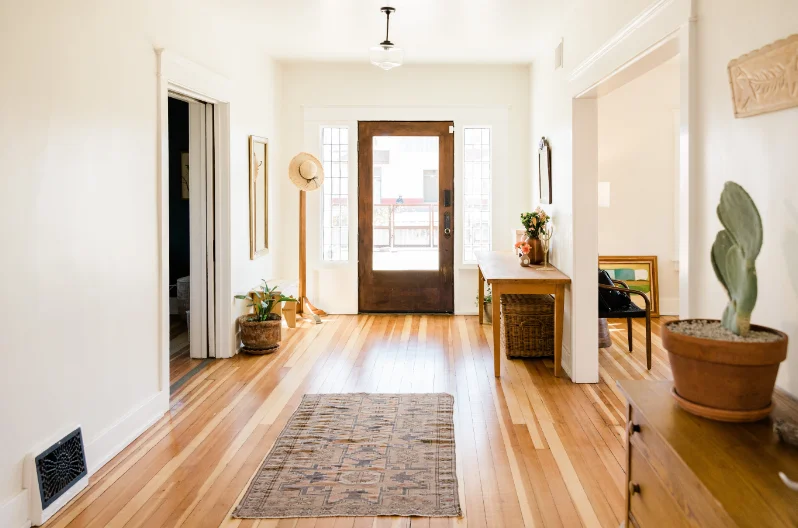
Financial Aspects to Contemplate When Purchasing or Renting a House
Your financial capability plays a crucial role in the decision-making process of whether to buy or rent a house. At first glance, renting may seem more favorable than buying, especially if you have budget constraints. Renting proves to be more economical in such situations, requiring only the payment of one month’s rent in advance along with a two-month deposit.
For instance, if you are considering a house with a monthly rent of $4,000, you would only need to prepare $1,300 for the security deposit.
Contrastingly, opting to purchase a house entails settling numerous upfront payments:
- Initial payment, constituting up to 20% of the total property cost
- Reservation fee, starting at a minimum of $4,000 (average rent fee in New York City), contingent on size and location
- Real Property Tax, amounting to 1% or 2% of the current market value of the house
- Costs for water and electricity installation
- Home insurance
- Additional taxes associated with homeownership
Consider this straightforward yet impactful guide to assist you in making the decision between buying and renting a house.
When to Buy a House
When to Rent a House
- The property expenses do not exceed 2.5 times your salary, and you can comfortably manage the payments and taxes.
- You possess sufficient savings to handle the down payment and other initial fees.
- You maintain multiple sources of income capable of sustaining your monthly house payments.
- You have made the choice to reside in a particular location for an extended period.
- The rental expenses are less than the anticipated monthly installment if you were to purchase a house.
- Your savings fall short in covering the initial costs associated with homeownership.
- Your income sources are restricted.
- You are contemplating a temporary residence in a specific location for reasons such as employment, education, or other short-term objectives.
The Pros and Cons of Renting Versus Owning a House
Regardless of whether you are purchasing or leasing a house, each choice comes with its own set of advantages and disadvantages. Understanding these pros and cons can assist you in financial preparation.
Pros of Renting a House
- Increased flexibility – Exiting the property is straightforward, provided you adhere to the rental agreement, unless you risk forfeiting your deposit.
- Reduced responsibilities – Regular maintenance checks, ensuring the house’s safety, fall under the landlord’s purview.
- Stable monthly expenditure – Renting entails a consistent monthly rental fee, barring tenant-initiated modifications or renovations. In some instances, landlords may agree to finance renovations or include the costs in your monthly rent.
- Enhanced liquidity – Opting to rent eliminates the need for upfront homeownership expenses, allowing you to utilize the funds for starting a business or making investments.
Cons of Renting a House
- Annual contract renewal – Regardless of your tenure, your landlord may request yearly contract renewals as a precautionary measure. Fortunately, you are not required to make additional advance payments or deposits; instead, you’ll engage in the annual ritual of contract signing.
- Annual rental escalation – Upon contract renewal, your landlord might implement a yearly rental increase, typically set at a minimum of 5% of the existing rental cost.
- Restrictions on pets and children – In certain cases, renting a house may be prohibited if you have pets or children.
- Parking at your own risk – Many rental houses, particularly in big crowded cities, may offer limited parking spaces, leaving you with little choice but to park on the street, subjecting your vehicle to potential risks.
- Adherence to rules – As a signatory to the rental agreement, compliance with the stipulations outlined in the contract is mandatory. Failure to adhere to these terms may result in contract termination, necessitating your relocation.
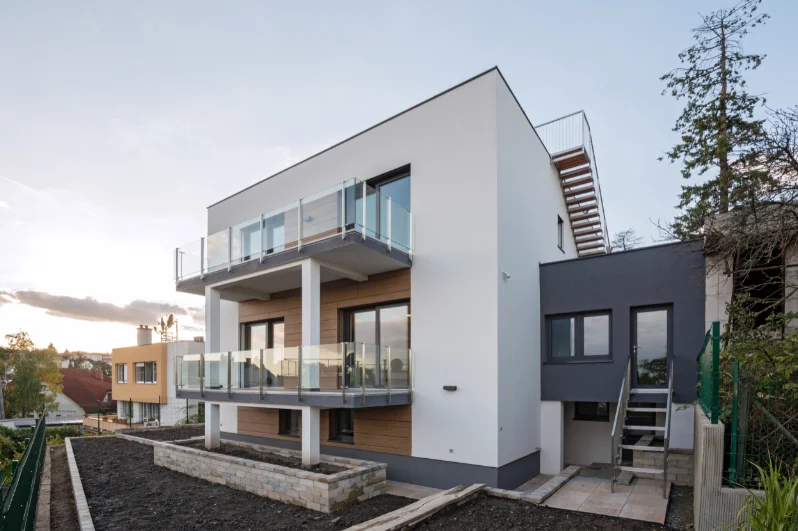
Pros of Buying a House
- Security – Possessing a home provides a sense of security, as it signifies a place where you can establish roots for as long as you desire or can afford.
- Autonomy in renovations and modifications – Homeownership grants you the freedom to modify elements like wall paint or fixtures without seeking permission. You have the authority to make improvements as you see fit.
- Privacy – With homeownership, you have control over who can access your property. In contrast, renting may entail landlords notifying you of routine inspections to ensure property maintenance.
- Investment potential – Real estate, such as your own home, has the potential to appreciate in value over time, making it a sound investment.
Cons of Buying a House
- Initial upfront expenses – Purchasing a house necessitates the payment of upfront fees and renovation expenses, and we’re not discussing a nominal amount here. Home renovation costs can commence at $1,200, contingent on the necessary fixes for the acquired property. For instance, certain foreclosed properties that have been neglected for years may demand a budget of at least $40,000 to render them habitable.
- Taxation – The expenses associated with home ownership, including taxes and additional fees, generally increase over the years. While you may not be paying monthly rent, the obligation to regularly settle substantial taxes and fees persists.
- Increased responsibilities – As the homeowner, the onus of maintaining the property and addressing all financial obligations linked to homeownership falls squarely on your shoulders.
Questions to Ask Before You Buy or Rent a House
The choice between buying or renting a house is heavily influenced by your financial situation. However, there are additional factors to ponder before reaching a decision.
Here are some insightful questions to consider:
Can I Afford to Buy a House?
If the answer is affirmative, then why opt for renting? Once more, if you possess sufficient funds to acquire a home and cover the initial expenses, consider buying your dream house.
What is the Duration of My Intended Stay in This Area?
Your life aspirations play a pivotal role in determining whether to buy or rent a house. If your intention is to relocate in a few years, renting may be the preferable option. On the contrary, if you envision building a family and establishing long-term roots, buying your own house is a more suitable choice.
Read more: First-Time Home Buyer Tips
Am I Seeking Flexibility or Stability?
If you anticipate that your plans might undergo changes in the next few months and wish to avoid commitment to a permanent residence, consider exploring rental options. Conversely, if you’re inclined to establish long-term roots in a particular location, then making the decision to buy a home would be appropriate.
Do I Currently Have Significant Outstanding Debts?
Both your credit score and your financial capacity to make payments are crucial factors to ponder. If you find yourself burdened with numerous debts, it might be advisable to postpone your plans for homeownership. It’s prudent to prioritize the reduction or settlement of existing debts before embarking on another long-term financial commitment.

No One-Size-Fits-All Solution
Deciding whether to rent or buy a home is not a one-size-fits-all solution. It is advisable to seek guidance from a real estate professional to determine the most suitable option for your circumstances. They will assist you in considering various factors and arriving at the decision that best aligns with your needs.
While there are substantial upfront costs and ongoing maintenance associated with buying a home, it’s crucial to recognize that the decision goes beyond financial considerations. If the property is where you envision settling down, establishing roots, joining a community, and personalizing a space, the perfect market timing becomes less significant.
Renting a home is an excellent choice if you are uncertain about the location, seek flexibility based on your current life stage, or lack the time or resources required for homeownership and its associated responsibilities.
Final Thoughts
Choosing between buying and renting a house is a significant decision that demands thorough financial deliberation. Renting often proves to be more cost-effective than buying, but purchasing a house entails an investment of your funds.
If you find yourself wavering, take the time to assess your short-term and long-term goals to ascertain whether renting or buying aligns better with them. Strategize, evaluate the advantages and disadvantages, and explore potential avenues for financing your aspiration of acquiring your own residence.