
Introduction: The Journey Begins
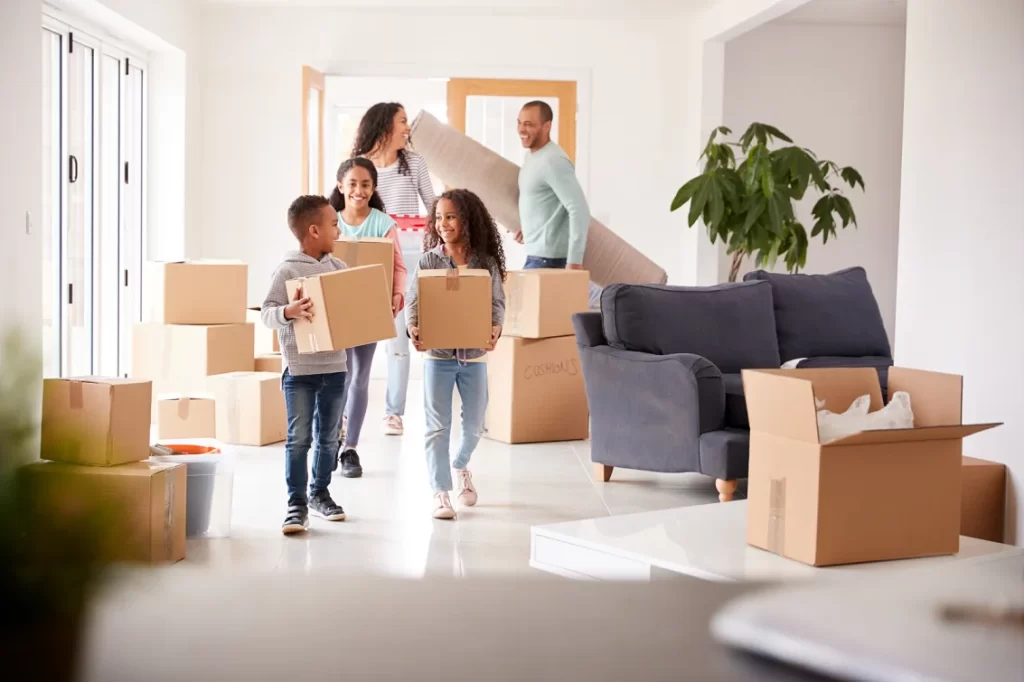
Selling your home and moving into a new one marks a significant chapter in life’s journey. It’s a blend of nostalgia for the memories made and excitement for the adventures ahead. This transition isn’t just about changing addresses; it’s about embracing change, adapting to new environments, and creating fresh memories. In this article, we’ll explore the intricacies of selling your home and moving into a new one, covering everything from preparation to settling in.
Preparing to Sell: Decluttering and Staging
The first step in selling your home is preparing it for potential buyers. Decluttering is key; it not only makes your home look more spacious but also allows potential buyers to envision themselves living there. Consider depersonalizing the space by removing family photos and personal items, creating a neutral canvas for buyers to project their vision.
Staging your home can significantly impact its appeal. Focus on highlighting its best features, such as natural light, architectural details, or outdoor spaces. A well-staged home not only attracts more buyers but can also fetch a higher selling price.
Setting the Stage for Sale: Pricing and Marketing
Determining the right price for your home is crucial. Research the market trends, assess comparable properties in your area, and consider consulting with real estate professionals for an accurate valuation. Pricing your home competitively can attract more buyers and lead to a quicker sale.
Effective marketing plays a vital role in selling your home. Utilize professional photography, virtual tours, and online listings to showcase your property to a wide audience. Highlight unique selling points, such as upgraded appliances, energy-efficient features, or a desirable location, to capture buyer interest.
Navigating the Selling Process: Negotiation and Closing
Once your home is on the market, be prepared for negotiations. Buyers may submit offers below your asking price, and it’s essential to weigh each offer carefully. Consider factors like the buyer’s financial readiness, contingencies, and timeline to make an informed decision.
The closing process involves legal and financial steps to transfer ownership to the buyer. Work closely with your real estate agent and legal professionals to ensure a smooth transaction. Be prepared to address any contingencies, such as repairs or inspections, to finalize the sale.

Embracing Change: Moving into Your New Home
As you bid farewell to your old home, embrace the excitement of moving into a new one. Start by planning your move well in advance. Create a checklist of tasks, such as hiring movers, packing belongings, transferring utilities, and updating your address.
Unpacking and organizing your new home can be a gratifying experience. Take the time to personalize your space, arrange furniture, and decorate according to your style. Settling into a new environment may take time, but it’s an opportunity to create a space that reflects your lifestyle and preferences.
Building a New Routine: Adjusting to Your Surroundings
Adjusting to a new home and neighborhood requires patience and openness. Familiarize yourself with local amenities, such as grocery stores, schools, parks, and community services. Connect with neighbors and explore nearby attractions to feel more integrated into the community.
Establishing a new routine can help ease the transition. Create designated spaces for work, relaxation, and socializing within your home. Prioritize self-care and maintain a sense of balance as you navigate the changes.
Creating New Memories: Embracing Opportunities
Moving into a new home opens doors to endless possibilities. Explore local activities, join community events, and engage in hobbies that enrich your life. Create new traditions with family and friends, whether it’s hosting gatherings, celebrating milestones, or exploring new adventures together.
Capture moments of joy and gratitude as you settle into your new home. Reflect on the journey that brought you here and look forward to the memories yet to be made. Embracing change with optimism and resilience enriches the experience of selling your home and embracing a new chapter.

Things to Do Before the Move
Before the move-in date arrives, there are many tasks you need to complete, from organizing your possessions to informing essential contacts. Here are some actions you should consider taking beforehand to maintain organization and ensure a smooth moving experience:
Gather the Supplies
Before beginning the packing process, it’s advisable to ensure you have all the necessary supplies. This ensures that you’re well-equipped to pack and transport your belongings safely and effectively.
Collect durable moving boxes in various sizes, packing tape, bubble wrap, and markers for labeling your boxes. Remember to also have packing paper or old newspapers to protect delicate items. Having these supplies ready will save you time and reduce stress while packing.
Transfer Utilities to Your New House
Ensuring a seamless transition when moving into your new home includes transferring utilities beforehand. It’s recommended to reach out to utility providers at least 2-3 weeks prior to arrange for service setup or transfer.
This action is critical as it ensures that crucial services like electricity, water, and gas are operational upon your move-in. Transferring utilities prevents service interruptions and minimizes any potential inconvenience.
Additionally, apart from transferring utilities, updating your subscription services, such as cable or internet, to your new address is also important to consider.
Make an Unpacking Plan
While packing is crucial, don’t forget to plan for the unpacking process as well. Before you start packing, make a detailed inventory list of your belongings and create a labelling system for your boxes. This will help you prioritize what needs to be unpacked first and make the process more efficient.
Consider labelling boxes with the room they belong to or the items they contain. Having a plan in place will make unpacking a breeze and help you feel more organized in your new home.
Hire Professional Movers
Engaging professional movers ahead of a move holds significance as it can streamline the moving procedure and offer numerous benefits compared to DIY methods.
Professional movers possess the know-how and proficiency to manage all logistical aspects, including supplying packing materials, freeing you to concentrate on other aspects of adjusting to your new residence.
Their training equips them to handle sizable household items adeptly, thereby minimizing the risk of damage, lowering the likelihood of injuries and costly repairs. Moreover, professional movers work efficiently and can execute the move swiftly, ultimately saving you time and exertion.
Things to Do During the Move
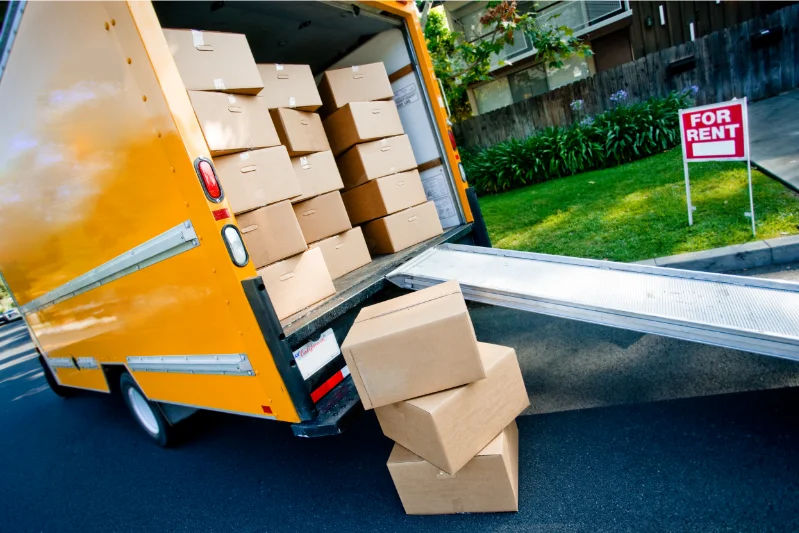
Today is moving day, and you’ll be heading from your current residence to your new one. Although you’ve delegated the heavy lifting of moving large items and personal belongings to your new place, there are still numerous tasks to complete to ensure a smooth transition. These tasks include:
Walk Through Your New House
Inspecting your new home during the move is vital for a smooth transition and maximizing your space’s potential. This walkthrough allows you to evaluate the interior’s condition and plan any essential changes. You don’t need to be an interior designer, but having an eye for design certainly helps.
Begin by examining the exterior doors for damages or security concerns. This step offers peace of mind and helps prioritize repairs or upgrades. Next, assess the window treatments to see if they align with your style and provide sufficient privacy and light control. If not, you can plan for new treatments that suit your preferences.
While touring each room, visualize where your furniture will go. Take measurements and think about optimizing the current layout. This process aids in planning for new furniture or rearrangements to create your desired living space. Make note of areas needing attention, such as chipped paint or flooring, for future addressing.
Ensure that Your New House is Child- and Pet-Friendly
Ensuring the safety and comfort of your children or pets in your new home is crucial. Install childproof locks on cabinets, anchor heavy furniture to walls, and shield electrical outlets. Inspect the yard for potential hazards and make adjustments as needed. Create a designated pet area with their bed, toys, and food bowls. These measures will provide peace of mind and establish a welcoming environment for your loved ones.
Set Up Utilities and Connectivity
After you’ve gotten comfortable, it’s essential to arrange your utilities and connectivity. Reach out to your service providers to arrange for internet, cable, and phone installations. Configure your Wi-Fi network and link up your devices. Doing so ensures access to vital services and keeps you connected with your loved ones. A home that’s well-connected is a cozy one.
Locate Necessary Functions
Finding essential functions during the move is crucial for safety and convenience.
Identify and label the main circuit breaker for emergencies or power outages. Locate the water valve to prevent flooding in case of leaks or burst pipes. Find the water heater to adjust its temperature and ensure proper functionality. Locate the gas shut-off valve for gas leaks or emergencies.
Being aware of these locations is invaluable for emergencies or maintenance. Additionally, keep a list of emergency phone numbers, including the nearest hospital, fire station, and police station, readily accessible.
Set up a Security System
Ensuring your safety and peace of mind is a top priority in your new home. Contemplate the installation of a security system to safeguard your residence and possessions. Explore various options and select a system that aligns with your requirements and budget. Include security cameras, motion sensors, and a dependable alarm system in your setup. A secure home will grant you a sense of comfort and enable you to fully relish your new environment.
Deep Clean
Before diving into unpacking and settling down, dedicate some time to thoroughly clean your new home. Even if the previous occupants tidied up before leaving, starting with a clean slate is always beneficial.
Ensure all surfaces, from floors and walls to windows and countertops, are scrubbed clean. Give extra attention to areas like the kitchen and bathrooms. This effort not only personalizes your new space but also promotes a healthy living environment.
Update to Your New Address
Inform all pertinent parties about your address update. Notify the post office, banks, credit card companies, insurance providers, and other essential institutions of your new address. Remember to update your friends, family, and colleagues with your updated contact information. This step ensures the continued receipt of important mail and maintains connections with loved ones.
Explore the Community
Getting comfortable in a new home involves familiarizing yourself with the local community. Dedicate time to exploring the neighborhood, uncovering local amenities, and meeting your new neighbors. Venture out to nearby parks, restaurants, and shops to get a feel for the area.
Consider joining community groups or organizations that match your interests. Establishing connections and integrating into the community will contribute to a greater sense of belonging in your new surroundings.
Read more of our blog: 14 Qualities of a Good Neighborhood Where You Want to Move To

Things to Do After the Move
After settling into your new home smoothly, there are still several crucial tasks and considerations to ensure you fully adapt to your new environment and make the transition seamless. Keep the following in mind:
Create an Emergency Response Plan
Make safety your top priority at all times. Develop an emergency response strategy for your new residence. Identify escape routes, set up meeting locations, and go over emergency protocols with your family members. Keep emergency essentials like flashlights, batteries, and a first aid kit within easy reach.
Schedule Maintenance Work
Once you’ve settled into your new home, it’s crucial to arrange maintenance tasks to guarantee everything functions correctly. Here’s the process you can follow:
- Contact utility companies: Contact the appropriate utility companies to arrange any required maintenance or repairs. This encompasses inspecting the electrical system, plumbing, heating, and cooling systems.
- Inspect light switches and fixtures: Verify that all lighting fixtures and switches are functioning correctly. Take note of any switches or fixtures that are not working and inform the utility company for repair.
- Address agreed-upon repairs: Arrange for the agreed-upon repairs with the previous owner or landlord promptly. These repairs might involve fixing leaky faucets, broken appliances, or other issues identified during the home inspection.

Bonus Tip: Host a Housewarming Party
There’s no better way to transform your new house into a home than by throwing a housewarming party. Extend invitations to friends, family, and neighbors to celebrate your new space. This gathering fosters a sense of community while providing an opportunity to showcase your new house and create lasting memories. Prepare delectable food, play music, and relish the company of loved ones in your new home.
Conclusion: After Selling Your Home a Chapter Closes and Another Begins
Selling your home and moving into a new one encompasses a spectrum of emotions, from nostalgia for the past to excitement for the future. It’s a journey of letting go and embracing change, of bidding farewell to familiar spaces and welcoming new beginnings. Through preparation, transition, and adaptation, this process becomes a transformative experience, shaping memories and creating opportunities for growth. As you embark on this journey, cherish the moments, embrace the challenges, and savor the joy of creating a new home filled with love, laughter, and lasting memories.