
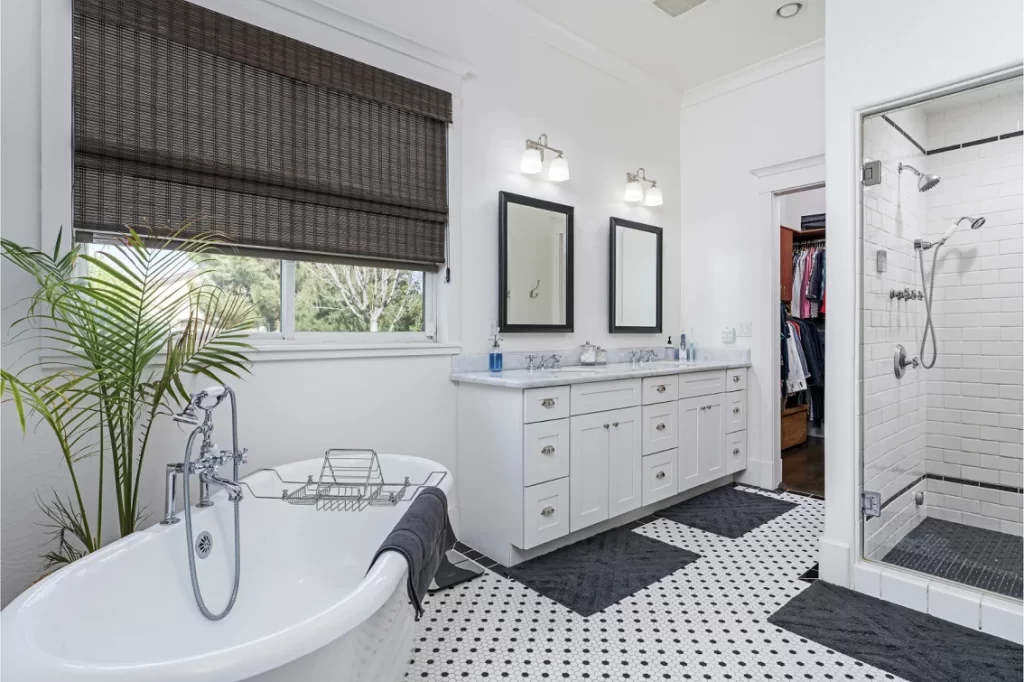
Modern household bathrooms have undergone a remarkable transformation over the past few decades. From utilitarian spaces designed solely for basic hygiene, they have evolved into sanctuaries of relaxation, personal care, and aesthetic pleasure. This evolution reflects broader changes in societal values, technological advancements, and design philosophies. This article explores the key elements that define contemporary bathrooms, the technological innovations shaping them, and the design trends making them both functional and beautiful.
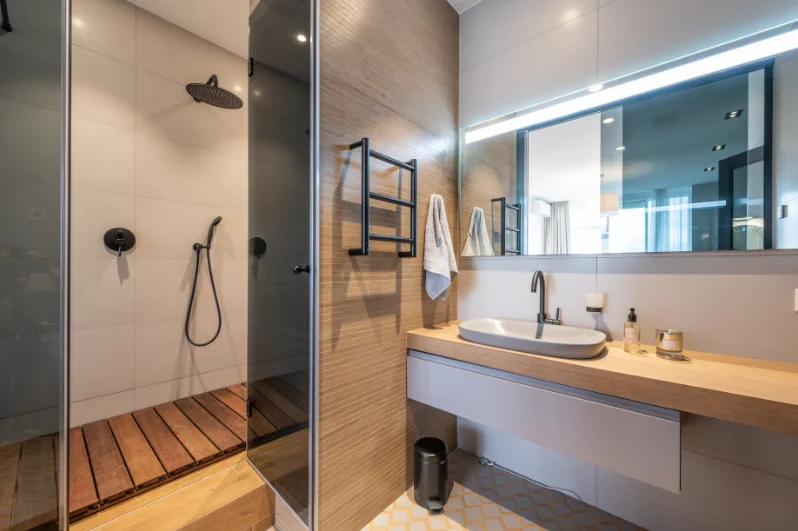
The Key Elements of Modern Household Bathrooms
1. Functionality and Efficiency
Modern bathrooms are designed with a keen focus on functionality and efficiency. Space is often at a premium, especially in urban settings, and the layout must maximize usability. Features such as floating vanities, wall-mounted toilets, and compact fixtures help conserve space and create a streamlined look. Storage solutions, including built-in shelves and cabinets, are integrated seamlessly to keep the space clutter-free.
2. Technology Integration
Technology plays a pivotal role in modern bathroom design. Smart showers, toilets, and mirrors are becoming commonplace, offering a range of functionalities. Smart showers can be programmed to reach a specific temperature, provide real-time water usage data, and even play music. Toilets equipped with bidet functions, heated seats, and automatic lid openers enhance comfort and hygiene. Smart mirrors with built-in lighting and touch controls provide the perfect grooming experience, with some even offering weather updates and news headlines.
3. Sustainability
Sustainability is a major concern in contemporary bathroom design. Water-efficient fixtures, such as low-flow toilets and showerheads, help reduce water consumption. Materials like recycled glass, reclaimed wood, and sustainably sourced stone are increasingly used for countertops, tiles, and flooring. Additionally, energy-efficient lighting, including LED bulbs and natural light optimization, contribute to an eco-friendly bathroom environment.
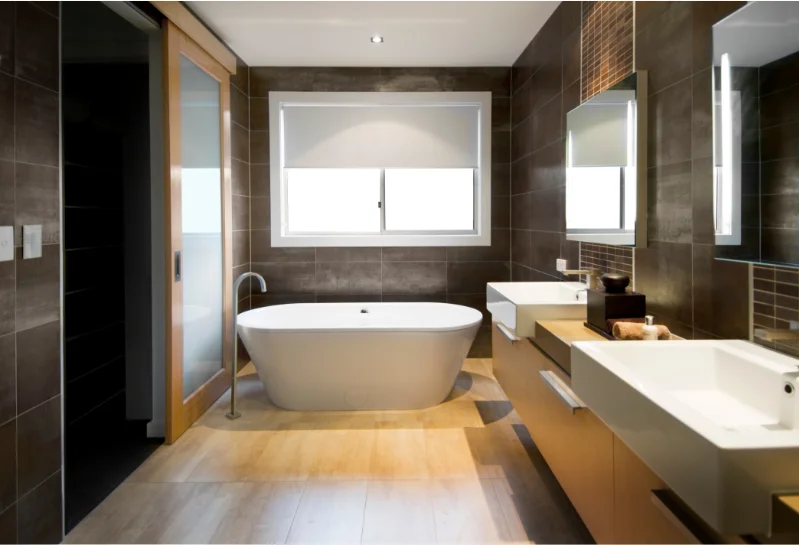
4. Aesthetic Appeal
Aesthetics are central to modern bathroom design. Clean lines, minimalist décor, and a neutral color palette create a serene and elegant atmosphere. Natural materials like stone, wood, and metal add texture and warmth. The use of glass, whether in shower enclosures or as accents, enhances the feeling of openness and light. Customizable lighting, from dimmable overhead fixtures to under-cabinet lights, allows homeowners to create the desired ambiance.
Technological Innovations
Technological advancements have significantly influenced the design and functionality of modern bathrooms. Here are some notable innovations:
1. Smart Showers and Bathtubs
Smart showers and bathtubs offer personalized and luxurious experiences. These systems can be controlled via smartphone apps or voice commands, allowing users to set precise water temperatures and flow rates. Some advanced models even feature chromotherapy (color therapy) and aromatherapy options, turning the shower or bath into a holistic wellness experience.
2. Innovative Toilets
Modern toilets have seen significant upgrades. Features such as self-cleaning mechanisms, air purifiers, and deodorizers improve hygiene and comfort. Bidet functions with adjustable water pressure and temperature, along with air drying options, promote better personal hygiene. Additionally, smart toilets often include night lights and touchless flushing systems, adding to their convenience and appeal.
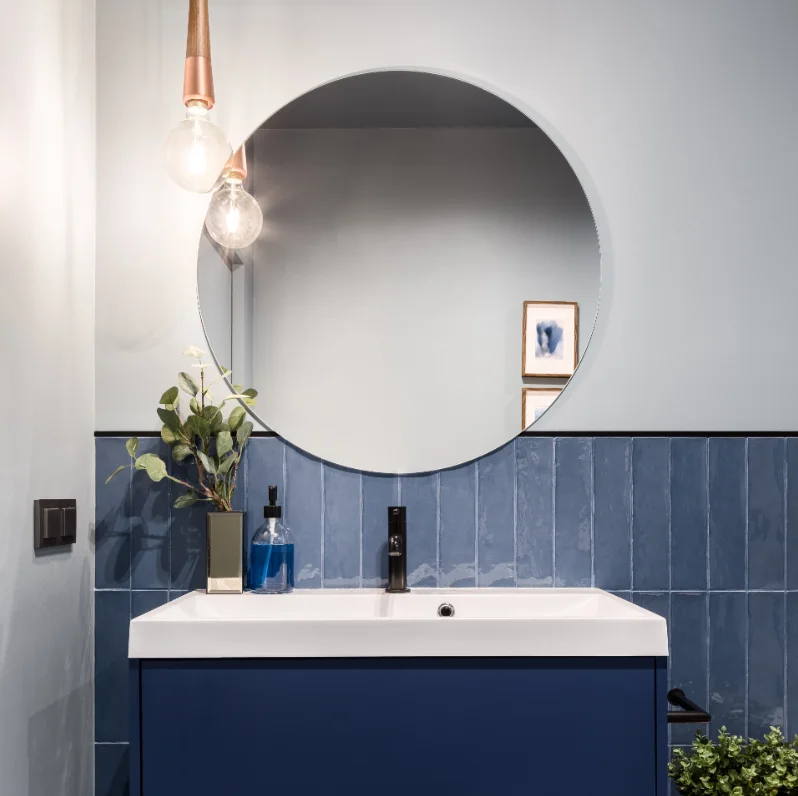
3. High-Tech Mirrors
High-tech mirrors with embedded technology offer a range of functionalities. Anti-fog capabilities ensure a clear reflection even after hot showers. Integrated LED lighting provides optimal illumination for grooming tasks. Some mirrors also come with Bluetooth speakers, touch-screen controls, and virtual assistants, making them a central feature of the modern bathroom.
4. Environmental Controls
Environmental control systems in modern bathrooms regulate humidity, temperature, and ventilation. Automated exhaust fans with humidity sensors activate only when needed, reducing energy consumption. Underfloor heating systems provide comfort during colder months, ensuring the bathroom remains a warm and inviting space.
Design Trends
Modern bathroom design trends reflect a blend of aesthetics and functionality, catering to diverse tastes and preferences. Here are some prominent trends:
1. Minimalism
Minimalist design remains a dominant trend in modern bathrooms. This approach emphasizes simplicity, clean lines, and uncluttered spaces. The use of neutral colors such as white, gray, and beige creates a calm and serene environment. Floating vanities and wall-mounted fixtures enhance the sense of space and openness.
2. Natural Materials
Incorporating natural materials is another popular trend. Stone, wood, and metal add texture and warmth to the bathroom. Marble countertops, wooden vanities, and slate tiles are commonly used to create a harmonious blend of nature and luxury. These materials also contribute to a sense of timelessness and durability.
3. Bold Accents
While minimalism and neutral palettes dominate, bold accents are used to add personality and flair. Statement tiles, vibrant wallpaper, and colorful fixtures can create focal points and break the monotony. These accents allow homeowners to express their individuality and make the bathroom a unique space.
4. Spa-Like Features
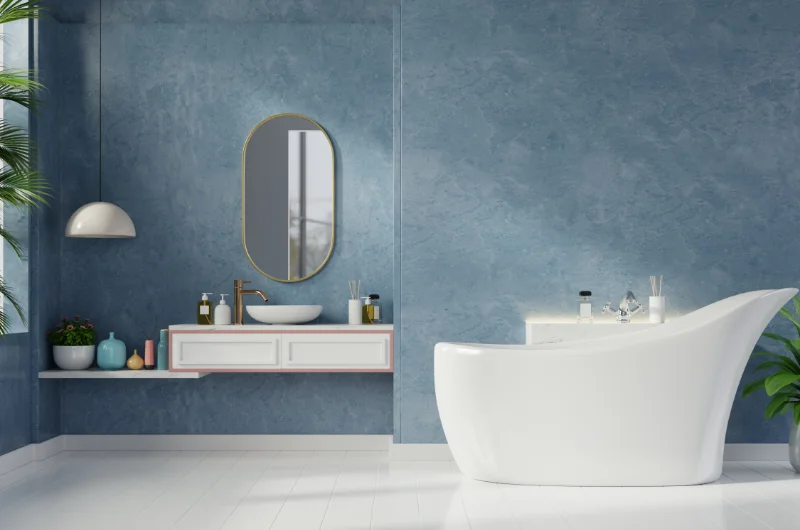
Modern bathrooms often incorporate spa-like features to create a relaxing retreat at home. Rainfall showerheads, freestanding tubs, and steam showers offer luxurious bathing experiences. Heated towel racks, ambient lighting, and soothing color schemes enhance the spa-like ambiance, making the bathroom a place to unwind and rejuvenate.
5. Open and Airy Layouts
Open and airy layouts are preferred in modern bathroom design. Frameless glass shower enclosures, large windows, and skylights maximize natural light and create a sense of openness. Open shelving and minimalist fixtures contribute to a spacious and uncluttered look, enhancing the overall aesthetic appeal.
Bathroom Usage Statistics
The notion that women spend more time in the bathroom than men is a long-standing myth, often used as a source of humor in movies and television. However, there appears to be some truth to this stereotype. Several studies indicate that women do indeed spend more time in the bathroom compared to men.
On average, women are estimated to spend approximately 600 additional days in the bathroom over their lifetimes for getting ready. Interestingly, when focusing solely on personal grooming time, men actually take longer than women. Additionally, research shows that men spend more money on personal grooming products, with an estimated difference of around $1 per week.
When it comes to other bathroom activities, statistics reveal that women generally take about two minutes longer than men. Men, however, spend more time on the toilet, a phenomenon that often baffles women. Why do men take so long? Studies suggest that both men and women waste time in the bathroom on their mobile devices.
It’s not just work-related tasks; activities such as answering emails, playing games, and browsing social media are commonly done in the bathroom. In fact, 75% of people globally admit to using their phones in the bathroom. Whether texting, taking calls, or watching videos, many of us engage in these activities while attending to nature’s call. Disturbingly, some reports indicate that men are increasingly opting to sit down rather than use urinals so they can use their phones more easily.
Among those aged 18 to 24, a significant number admit to using social media and browsing the internet while in the bathroom. But technology isn’t the only time-waster in the bathroom. Singing and dancing are also popular activities, taking advantage of the bathroom’s privacy. Reading and checking for “invaders” follow closely behind in terms of time-consuming activities.
Are our Bathroom Usage Behaviors Eco-Friendly?
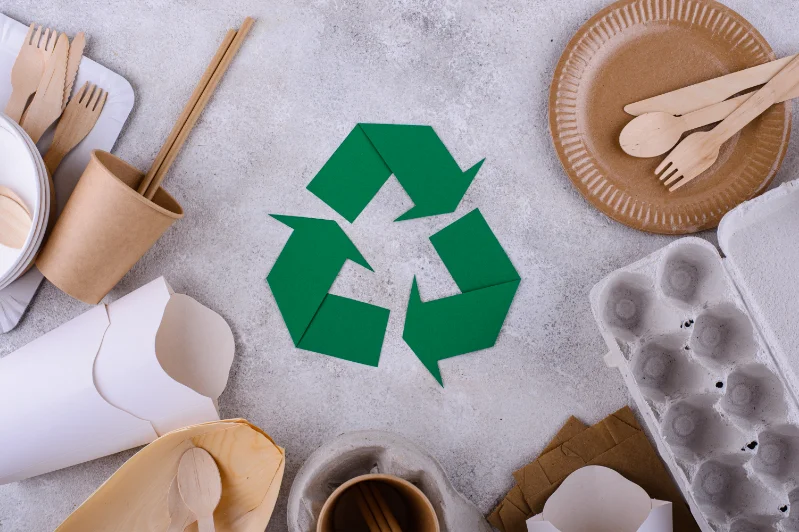
Eco-friendly practices are increasingly popular, prompting us to evaluate how sustainable our bathroom habits are. The good news is that water conservation efforts are high, with 82% of people turning off the tap while brushing and rinsing. However, there’s still room for improvement.
Showers account for about 25% of all household water consumption. They’re considered more efficient for cleaning and are typically used for shorter durations. Showers are also seen as more environmentally friendly than baths. So why is the water usage percentage so high? Power showers significantly increase water consumption, and many people enjoy prolonged showers, especially with rainfall showerheads.
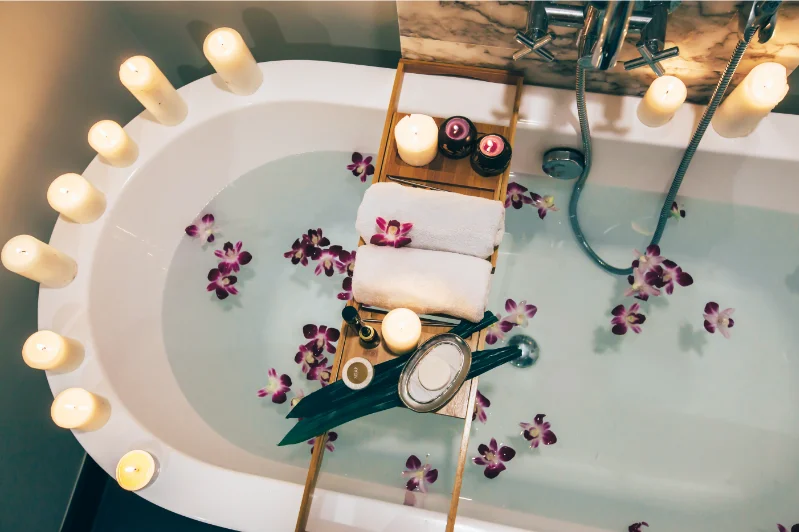
Baths follow showers in terms of household water usage. Approximately 10% of women and 5% of men take baths for relaxation, often involving long sessions with scented candles, aromatherapy oils, and music. While this can be rejuvenating, it also uses a large amount of water per bath, posing an environmental concern.
There is also ongoing debate about the safety of falling asleep in the bath. There is a risk of drowning, making it a potentially dangerous practice.
Workplace Bathrooms
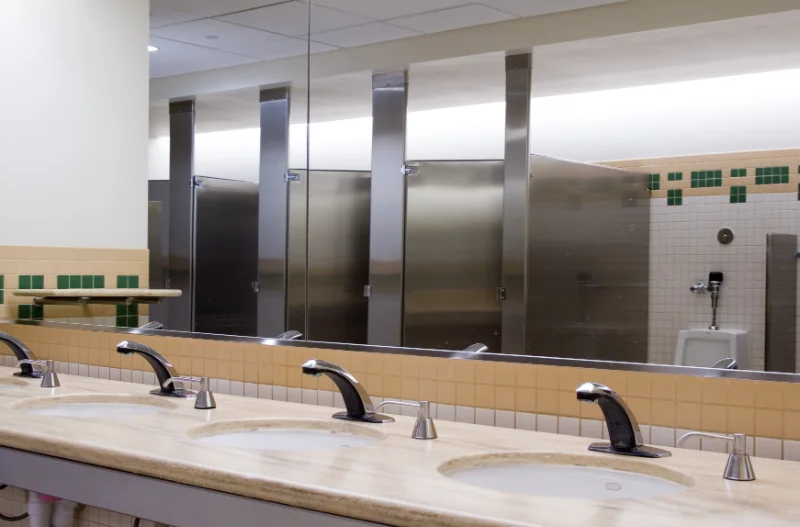
Modern household bathrooms are just the beginning; workplace bathrooms also experience a wide range of uses. Internationally, it’s common for people to sneak off for a cigarette in the bathroom, a habit driven by strict workplace safety regulations that prohibit smoking in other areas.
Surprisingly, some individuals admit to taking power naps in workplace bathrooms. Others use this private space to vent their frustrations and express their emotions. Additionally, it’s no surprise that many people use bathroom breaks to catch up on social networking, browse the internet, and make personal calls and texts.
You may also want to read: How to Work with Multiple Offers
What are the Exceptions?
With so much happening in both household and office bathrooms, it’s important to note what crucial activities we might be neglecting. Research shows that many people overlook proper hygiene practices, such as washing their hands after using the toilet. Additionally, statistics reveal that not everyone adheres to the recommended twice-daily tooth brushing routine—only about 49% of men and 56% of women follow it consistently.
It’s also noteworthy that there are numerous incidents of phone damage among bathroom users, indicating a lack of caution with our devices. Common mishaps include dropping phones in the toilet and spilling water on them near the sink.
Bathrooms are designed for a specific purpose but are often used in unexpected ways. Our bathroom behavior may be unconventional, but rest assured, you’re not alone. Whether you’re catching up on social media, taking a power nap, or sneaking a cigarette, many others are likely doing the same.
Conclusion
Modern household bathrooms are a testament to the evolution of design and technology. They have transformed from simple, functional spaces into luxurious retreats that offer comfort, efficiency, and aesthetic pleasure. With a focus on sustainability, technology integration, and innovative design, today’s bathrooms cater to the diverse needs and preferences of homeowners. As trends continue to evolve, one thing remains clear: the modern bathroom is no longer just a utilitarian space but a sanctuary of relaxation and well-being.