

Student housing plays a crucial role in the academic and personal lives of students pursuing higher education. Over the years, it has evolved significantly, adapting to changing student needs, technological advancements, and societal shifts. This article explores the history, current trends, challenges, and innovations in student housing, emphasizing its importance in fostering a conducive environment for learning and personal growth.

Historical Overview
Historically, student housing was primarily limited to dormitories or university-owned accommodations. These spaces provided basic amenities and often lacked the comforts and conveniences students expect today. However, as education became more accessible and diverse, the demand for varied housing options grew.
In the mid-20th century, the concept of off-campus student housing gained popularity. Private landlords and real estate developers began catering specifically to student renters, offering apartments and shared houses near universities. This trend marked a shift towards more independent living arrangements for students, fostering a sense of autonomy and responsibility.
The late 20th and early 21st centuries witnessed further transformations in student housing. Purpose-built student accommodation (PBSA) emerged as a distinct category, featuring modern amenities, security measures, and community spaces. These developments aimed to enhance the overall student experience, promoting academic success and well-being.
Current Trends and Innovations
Today, student housing is a dynamic sector influenced by various trends and innovations:
- Technology Integration: Modern student housing leverages technology for enhanced security, energy efficiency, and convenience. Smart locks, thermostats, and lighting systems allow students to control their living environment effortlessly. Moreover, high-speed internet connectivity is a standard requirement, supporting academic research, online learning, and recreational activities.
- Sustainability Initiatives: Many student housing facilities prioritize sustainability through eco-friendly construction practices, energy-efficient appliances, recycling programs, and green spaces. These initiatives align with students’ growing environmental awareness and contribute to a healthier living environment.
- Diverse Amenities: From fitness centers and study lounges to communal kitchens and gaming rooms, student housing offers a wide range of amenities to cater to students’ diverse needs and interests. These facilities promote social interaction, well-being, and a balanced lifestyle.
- Flexible Leasing Options: Recognizing the changing preferences of students, many housing providers offer flexible leasing arrangements, including short-term stays, co-living options, and furnished units. This flexibility accommodates varying academic schedules, internship placements, and study abroad programs.
- Safety and Security Measures: Ensuring the safety of residents is paramount in student housing. Advanced security systems, on-site staff, and emergency protocols create a secure living environment, reassuring both students and their families.

Importance of Quality Student Housing
Quality student housing is more than just a place to sleep; it significantly impacts students’ academic performance, well-being, and overall college experience.
Here are some key reasons why student housing is important:
- Academic Success: A conducive living environment plays a crucial role in academic success. Quiet study spaces, reliable internet connectivity, and proximity to campus resources contribute to efficient learning and productivity. Additionally, living among peers with similar academic goals fosters collaboration, peer support, and intellectual growth.
- Well-being and Mental Health: Student housing influences mental health and well-being. Safe, comfortable, and supportive living arrangements reduce stress and anxiety levels, allowing students to focus on their studies and personal development. Access to recreational facilities, green spaces, and wellness programs further promotes a healthy lifestyle.
- Social Integration: Living in student housing facilitates social integration and networking opportunities. Students from diverse backgrounds come together, forming friendships, cultural exchanges, and lifelong connections. This social interaction enhances interpersonal skills, empathy, and global awareness.
- Convenience and Accessibility: Proximity to campus, public transportation, shopping centers, and healthcare services adds convenience to students’ daily lives. Easy access to essential amenities saves time and effort, enabling students to balance academic responsibilities with extracurricular activities and personal commitments.
- Transition to Independence: For many students, university life represents a transition to independence and adulthood. Student housing provides a supportive environment where students can learn essential life skills such as budgeting, time management, and conflict resolution. This transition prepares them for future career challenges and responsibilities.

Challenges and Solutions
Despite its benefits, student housing faces several challenges:
- Affordability: Rising housing costs in urban areas can pose a financial burden on students, especially those from low-income backgrounds. To address this issue, universities and housing providers are exploring affordable housing options, scholarships, and financial assistance programs.
- Demand-Supply Imbalance: In high-demand areas, there may be a shortage of quality student housing, leading to increased competition and limited availability. Collaborations between universities, developers, and local governments can help address this imbalance by encouraging the construction of more student-friendly accommodations.
- Maintenance and Infrastructure: Aging infrastructure and inadequate maintenance can impact the quality of student housing. Regular inspections, timely repairs, and infrastructure upgrades are essential to ensure a safe and comfortable living environment for students.
- Inclusivity and Diversity: Student housing should promote inclusivity and accommodate diverse needs, including students with disabilities, international students, and non-traditional learners. Designing accessible facilities, offering cultural sensitivity training, and fostering inclusive communities are steps towards creating an inclusive housing environment.
- COVID-19 Challenges: The COVID-19 pandemic highlighted the importance of health and safety measures in student housing. Enhanced cleaning protocols, social distancing guidelines, and remote support services became essential to safeguarding students’ well-being. As the situation evolves, ongoing adaptations and preparedness are crucial.

Future Directions
Looking ahead, the future of student housing is marked by innovation, sustainability, and student-centric design.
Key trends and developments include:
- Technology Integration: Continued advancements in technology will reshape student housing, with features such as virtual reality tours, predictive maintenance systems, and personalized smart home experiences becoming more prevalent.
- Sustainable Practices: The focus on sustainability will intensify, with eco-friendly construction materials, renewable energy solutions, and carbon-neutral initiatives driving the development of green student housing projects.
- Wellness and Mental Health: Student housing providers will prioritize mental health and well-being, offering tailored support services, mindfulness programs, and inclusive spaces designed to promote holistic wellness.
- Collaborative Partnerships: Universities, private developers, and community stakeholders will collaborate more closely to address housing challenges, foster innovation, and create vibrant, inclusive living environments for students.
- Global Perspectives: As international student mobility continues to rise, student housing will adapt to accommodate diverse cultural preferences, language support services, and cross-cultural engagement opportunities.
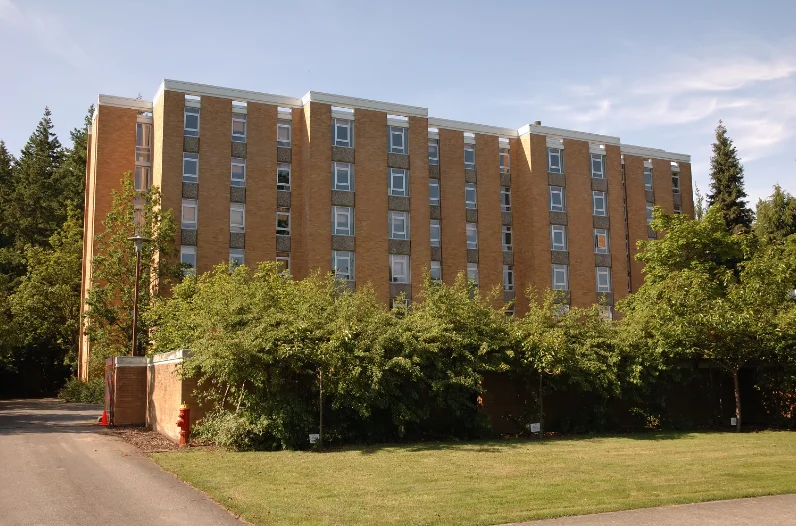
In conclusion, student housing plays a pivotal role in shaping the academic, social, and personal experiences of students. By embracing innovation, sustainability, inclusivity, and student-centric design principles, the future of student housing holds promise for creating vibrant, supportive communities that empower students to thrive and succeed in their educational journey.