
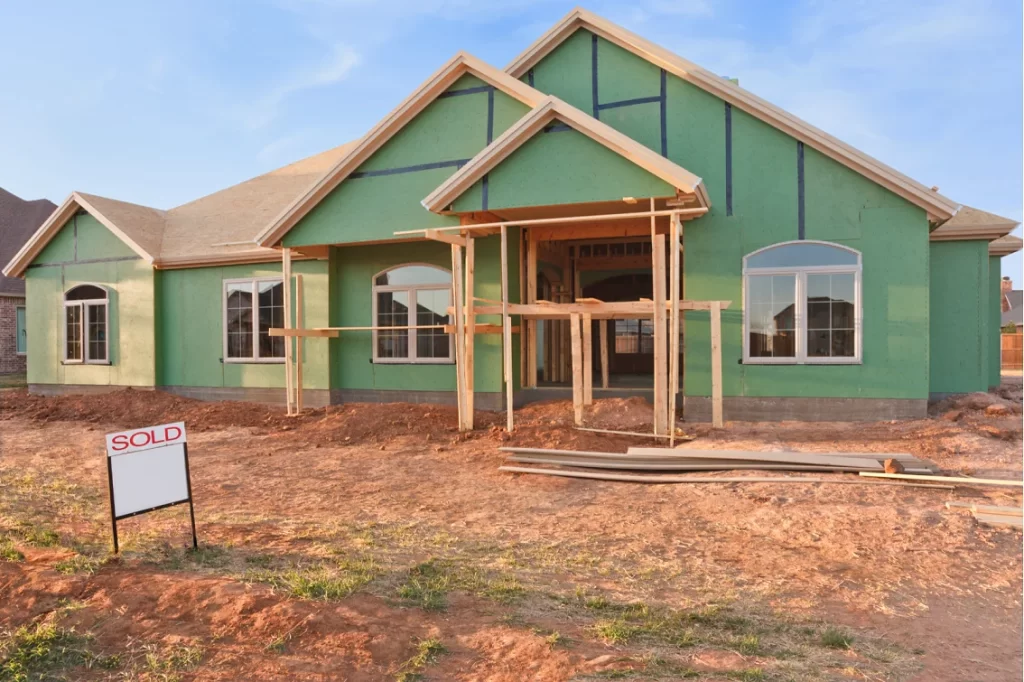
The decision to buy an existing home or build a new one is one that many prospective homeowners grapple with. Each option comes with its own set of advantages and challenges, making it essential to carefully weigh the factors that matter most to you. In this article, we’ll delve into the key considerations when deciding between buying or building a home.
Buying an Existing Home
Buying an existing home offers significant benefits in terms of convenience and cost. After being pre-approved by a lender, buyers have the freedom to explore various properties, select a home, and submit an offer.
A skilled real estate agent simplifies this journey by identifying suitable properties, navigating negotiations, and aiding with documentation. Upon acceptance of an offer, buyers often experience a swift closing timeline, typically ranging from 30 to 45 days, enabling them to transition into their new home promptly.
Schedules and Cost
Buyers with limited time constraints, like those moving for work or with children starting at new schools, may find purchasing an existing home appealing. The National Association of Home Builders also notes that buying an existing home can be more cost-effective.
In the U.S., buyers typically save around $6,000 when buying an existing home. In 2023, the average total building costs were $421,000, while the median list price for a single-family home was $415,000.
Convenience vs. Customization
Older homes often feature established landscaping with fully grown lawns, shrubs, and trees. Their floor plans are readily apparent during inspections, allowing buyers to visualize the layout easily. However, these homes may also suffer from functional obsolescence, necessitating renovations or expansions. Prospective buyers need to consider these additional costs, particularly when weighing options among different properties or evaluating the affordability of constructing a new home.
Note: The National Association of Realtors is anticipated to implement new regulations in July 2024, which could result in reduced commissions for both home buyers and sellers. Pending approval by a federal court, the current standard 6% commission would be eliminated, relieving sellers of the obligation to offer compensation to potential buyers and their agents. Additionally, NAR will mandate that brokers establish written agreements with their clients, outlining the services to be provided and their associated costs, to enhance transparency for consumers.
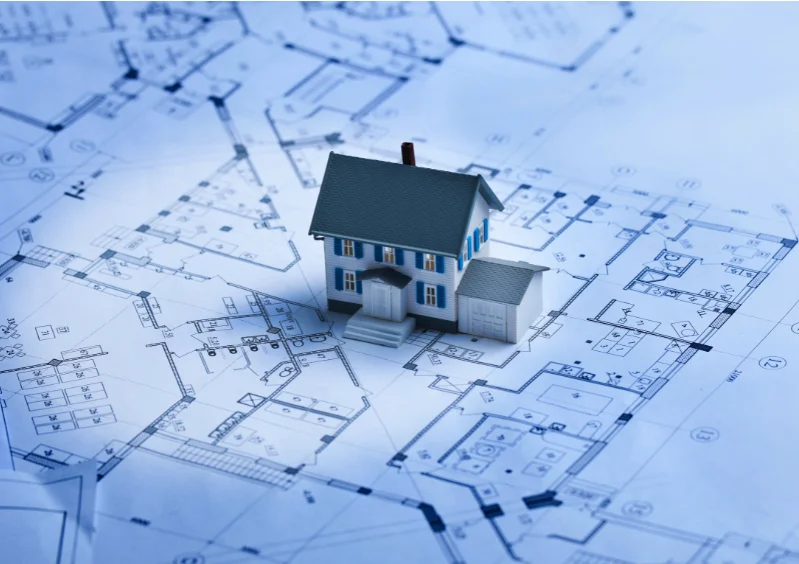
Building a New Home
Constructing a new home grants buyers the opportunity to tailor the space to suit their family’s needs. Although the process may not offer the immediate conveniences of purchasing an existing property, buyers typically have the freedom to select every aspect of the new construction.
Design Choices
Opting to build a new home allows buyers to have things just the way they like. This includes designing a more energy-efficient dwelling that complies with standards for heating, ventilation, cooling, insulation, and air filtration. The timeframe for a custom build typically spans from six to eighteen months.
On the other hand, joining an established development may simplify the process, yet it could restrict the level of customization available to buyers.
Everything Is New
Opting for a new home build helps buyers steer clear of costly renovations or repairs. New constructions adhere to updated environmental regulations, often featuring energy-efficient appliances and HVAC systems. In contrast, older properties might harbor issues like asbestos, lead paint, or mold, necessitating remediation efforts.
Despite potentially higher initial costs, recouping the investment can be more straightforward. Newer homes tend to hold greater appeal on the resale market compared to older counterparts, and they typically come with a warranty. A builder’s warranty commonly covers limited aspects such as workmanship and materials for windows, HVAC systems, plumbing, and electrical components.
What's Involved in a New Construction Contract?
When purchasing real estate, numerous documents are involved, encompassing disclosures, disclaimers, and provisions. Nevertheless, acquiring a newly constructed home entails additional paperwork tailored to the builder. These specialized documents may comprise a site drawing, home blueprints, warranty details, as well as options and color selections. Furthermore, the purchase agreement will feature standard clauses found in real estate contracts alongside unique elements pertinent to new construction projects.
- Price and Allowances – The contract will include your initial price, though you might still be deciding on specifics like flooring or light fixtures. In such instances, the builder will allocate an allowance, estimating the cost of these items.
- Construction – The contract will encompass your chosen selections, specifications, and home plans as a buyer. Additionally, you should note that the builder will commit to executing the work in a manner consistent with the building code and customary practices in the region, as defined by a “workmanlike manner” agreement.
- Beginning and Completion of Construction – Due to the numerous factors involved in home construction, your contract will likely address various clauses regarding the start and completion dates of the project. It’s essential to have your finances sorted beforehand, as the builder will likely wait until you are fully approved before commencing work. Factors like adverse weather conditions, change orders, and a lack of skilled labor can significantly impact the schedule and cause delays. It’s important to remember that both the builder and the buyer share the common goal of completing the house and having a successful closing. Therefore, neither party typically intends to do anything that would intentionally delay the home’s completion.
- Change Orders – Builders, particularly those working on custom homes, often accommodate change orders during the construction phase. However, it’s crucial to ensure that all details are documented, including costs, materials, labor, and the potential impact on the schedule.
- Conformance with Plans – Builders may need to make changes if a product becomes unavailable, for example. In such instances, the builder agrees to substitute the material with something of equal or superior value.
- Visiting the Construction Site – It’s likely that you won’t have the opportunity to visit your future property during construction for safety reasons. However, your builder may arrange scheduled visits with you at different stages of the construction process. These arrangements should be outlined in your contract.
- Noninterference – This clause basically says if you have a problem, deal with the builder, not the workers on site.
- Inspections and Acceptance – Right before closing, the builder will arrange a meeting with you at your new home to ensure that you are receiving everything as expected.
- Site Clean Up – A clean construction site is the responsibility of the builder.
New Home Orientation
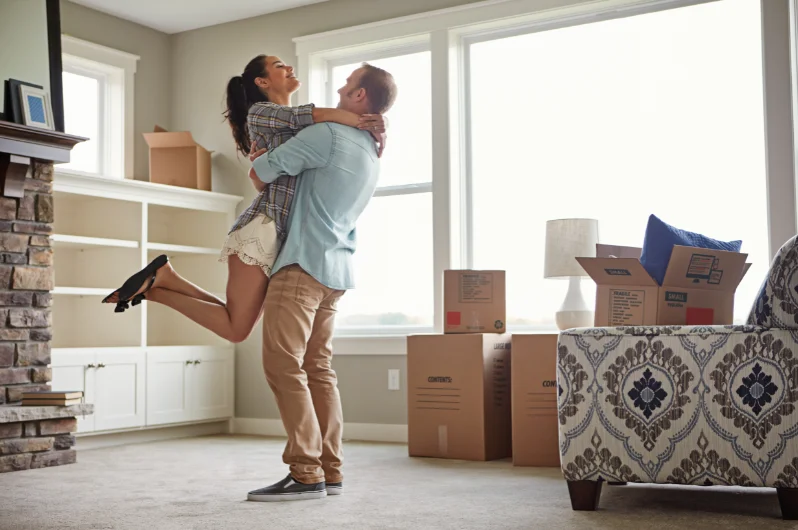
Once you’ve selected your location, reviewed multiple floor plans, organized your financing, and completed all the necessary paperwork, you’re approaching the final stage: the New Home Orientation. During this phase, you and your builder will convene at your new home for a comprehensive demonstration of its features. It’s also an opportunity for you to confirm that all the specifications outlined in the contract are indeed present in the home.
This phase is sure to be thrilling for you and your family, with emotions running high and anticipation building as you prepare to move in. The Orientation is typically scheduled around a week before the closing date, allowing the builder sufficient time to address any issues that may arise.
Brace Yourself
Prior to the orientation, take time to go over any documents provided by the builder, such as the builder’s warranty, purchase agreement, and orientation details if available. Additionally, it’s advisable to bring along the following items: a notepad, your contract, change orders, selection sheets, a measuring tape, and a camera. The orientation session will likely span a few hours, so wear shoes that are easy to slip off and comfortable clothing.
Exterior Checklist
- Ensure that the ground surrounding the foundation slopes downward away from the house.
- Inspect the roof to the best of your ability and verify that downspouts direct water away from the foundation.
- Check the siding and painted surfaces for adequate paint coverage.
- Examine all windows and doors to ensure a tight seal.
- Identify the locations of utility hook-ups for phone, cable, gas, and electric.
- Verify that the landscaping has been completed according to your specifications.
- Inquire about any warranty coverage for plants, if applicable.
- If there is a fence, check for any damaged boards.
Interior Checklist
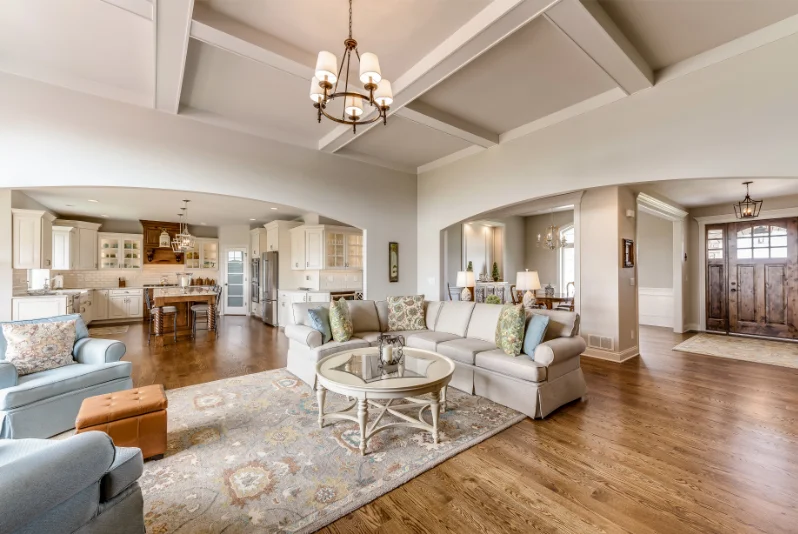
- Inspect all windows and doors to ensure they open and close smoothly.
- Check all moldings and doors for any separated caulking.
- Examine the paint job throughout the house, including closets.
- Look for any issues with the flooring.
- Turn on all faucets in the house and verify that the hot water heater is functioning properly. Ensure that the fixtures meet your specifications.
- Confirm that countertops and cabinets are installed correctly.
- Check that electrical outlets are functioning correctly.
- Test both the air conditioning and heater systems.
- Inspect the attic for any leaks and ensure there is adequate insulation.
- Have the builder review the breaker panel with you and ensure that the breakers are properly labeled.
Weighing It All Over
Affordability and Cost
One of the primary factors that influence the decision between buying and building a home is affordability. In many cases, purchasing an existing home can be more cost-effective upfront. Existing homes may come with lower purchase prices compared to the expenses involved in building a new one, which include land acquisition, construction costs, permits, and architectural fees.
However, it’s crucial to consider the long-term financial implications. Building a new home allows you to incorporate energy-efficient features and modern technologies that can result in lower utility bills and maintenance costs over time. Additionally, new homes often come with warranties that cover structural elements and appliances, providing peace of mind and potential savings on repairs.
Customization and Design
One of the most significant advantages of building a new home is the ability to customize every aspect of its design. From floor plans and room layouts to finishes and fixtures, you have the freedom to create a space that perfectly suits your lifestyle and preferences. This level of customization is often not possible when purchasing an existing home, where you may need to compromise on certain features or undertake costly renovations to achieve your desired aesthetic and functionality.
Moreover, building a new home allows you to incorporate the latest design trends and technologies, ensuring that your home is not only visually appealing but also efficient and future-proof. Whether you prioritize open-concept living, sustainable materials, or smart home integration, building from scratch enables you to realize your vision with precision.

Time and Convenience
The timeline for acquiring a home differs significantly between buying and building. Purchasing an existing home typically involves a shorter timeline, as you can move in shortly after completing the purchase process. This convenience is appealing for individuals who need to relocate quickly or prefer not to wait for construction to be completed.
On the other hand, building a new home requires more time and patience. From securing permits and designing plans to overseeing construction and final inspections, the process can take several months to a year or more, depending on various factors such as weather conditions and contractor availability. While the wait may be longer, the result is a custom-built home tailored to your specifications.
Location and Neighborhood
The location of your home is a crucial consideration that can impact your daily life, commute, and overall satisfaction. When buying an existing home, you have a limited selection of available properties within established neighborhoods or developments. While this may offer convenience in terms of amenities and proximity to schools or workplaces, it can also mean compromising on specific location preferences or neighborhood characteristics.
In contrast, building a new home gives you more flexibility in choosing the location and surroundings that best suit your needs. Whether you prefer a quiet suburban street, a rural setting with expansive views, or a bustling urban environment, acquiring land and building a custom home allows you to select the perfect spot. However, it’s essential to consider factors such as land availability, zoning regulations, and infrastructure access when choosing a location for new construction.
Resale Value and Investment
Both buying and building a home can be considered investments, with potential implications for resale value and long-term appreciation. Existing homes may have established market value based on comparable sales in the area, making them easier to assess in terms of investment potential. However, factors such as age, condition, and market trends can also influence resale value and the speed of a potential sale.
On the other hand, new homes benefit from modern features, energy efficiency, and warranties that can enhance their appeal to buyers and potentially command a higher price. Custom-built homes tailored to specific buyer preferences may also stand out in a competitive market, attracting discerning buyers willing to pay a premium for personalized design and quality construction.
Check out these 2024 Home Design Trends!
The Takeaway
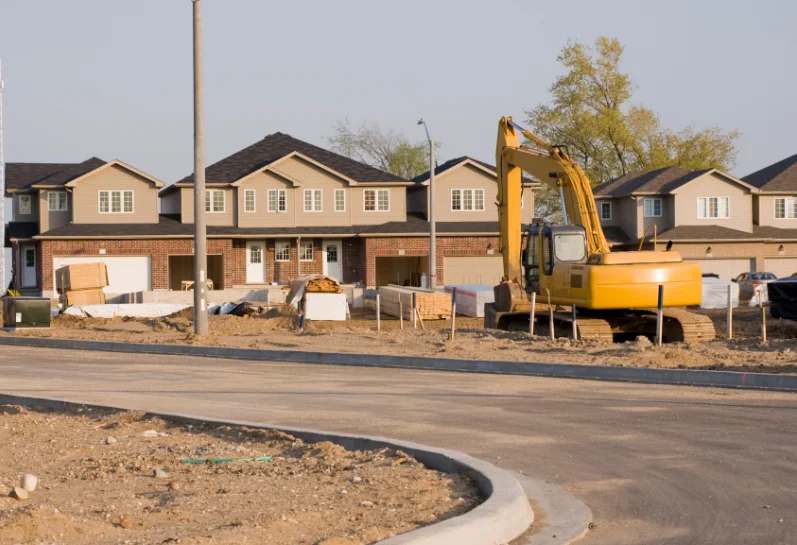
In the debate between buying an existing home or building a new one, there is no one-size-fits-all answer. The decision ultimately depends on your priorities, budget, timeline, and lifestyle preferences. Buying an existing home offers affordability, convenience, and established neighborhoods, while building a new home provides customization, modern amenities, and long-term value.
Before making a decision, carefully evaluate your needs and consult with real estate professionals, architects, and builders to explore all options and determine the best path forward. Whether you choose to embrace the charm of an existing home or embark on the journey of creating your dream home from the ground up, the key is to make an informed decision that aligns with your vision for the future.