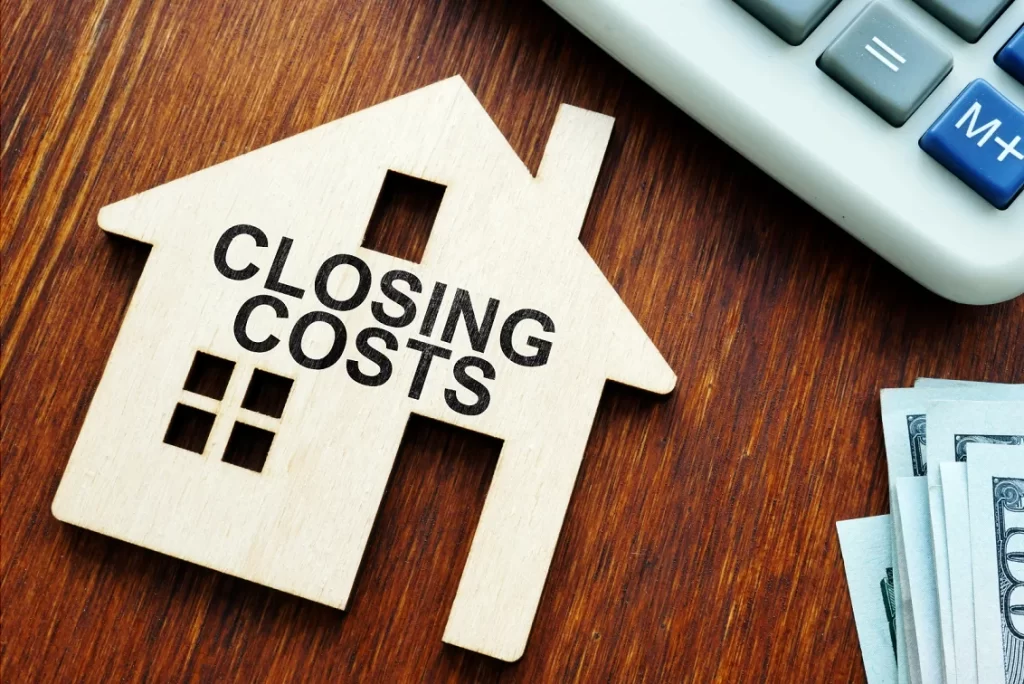
When purchasing a home, buyers often focus on the down payment and monthly mortgage payments. However, another crucial aspect of the home-buying process is the closing costs. These costs can significantly affect the overall expense of buying a home. This article aims to explain what closing costs are, their typical amounts, and their purposes.

What are Closing Costs?
Closing costs refer to the fees and expenses that buyers and sellers need to pay to complete a real estate transaction. These costs are incurred at the “closing” stage of the transaction, which is when the title of the property is officially transferred from the seller to the buyer. Closing costs can vary widely depending on various factors, including the location of the property, the price of the home, and the type of mortgage.
Common Components of Closing Costs
Closing costs encompass a wide range of fees, each serving a specific purpose in the home-buying process. Here are some of the most common components:
- Loan Origination Fees: These are fees charged by the lender for processing the loan application. They typically cover the lender’s administrative costs.
- Appraisal Fee: This fee is paid to a professional appraiser who determines the value of the property. Lenders require an appraisal to ensure the home is worth the loan amount.
- Title Insurance: This insurance protects the buyer and the lender against any legal issues related to the property’s title. It ensures that the title is free of liens or disputes.
- Closing Fee: In states where an attorney is not required, you will only need to pay the title company to oversee the closing and conduct the title search. However, some states mandate that an attorney be present at all closings.
- Courier Fee: This fee covers the transfer of documents and funds, facilitating a swift transaction.
- Credit Report: Naturally, obtaining a loan requires a full tri-merge credit report. This report will be purchased and will significantly influence the interest rate you receive.
- Escrow Deposit for Taxes and Insurance: These are referred to as “pre-paid.” You will likely be required to pay several months’ worth of property taxes and insurance in advance for your home.
- FHA Up-Front Mortgage Insurance Premium: This applies only if you obtain an FHA loan. There is a 1.75% fee of the base loan amount due at closing, unless you choose to roll it into the loan.
- Flood Insurance: Not all properties require this, but if yours is identified as being in a flood zone, you’ll need to prepay several months of insurance at the closing.
- Homeowner’s Association (HOA): Should your new residence fall under an HOA or condo association, the seller might have already paid the fees for the remaining part of the year. You might need to reimburse the seller for the months they won’t be residing in the property. Your realtor should have already informed you about the monthly fees for living in your new community.
- Lender’s Title Insurance: A modest fee you’ll need to give the lender, serving as their safeguard in case any title issues arise post-closing.
- Lead-Based Paint Inspection: Similar to a home inspection, this isn’t a mandatory cost at closing in our region. However, if your property predates 1978, you’re legally entitled to receive a notice regarding potential lead-based paint in the house. The decision to incur the expense of a home inspection would be yours to make.
- Loan Discount Points: A point represents 1% of your loan amount. Following discussions with your lender, you might opt to lower your interest rate by paying a point during the closing process. Keep in mind that this is voluntary.

- Home Inspection Fee: Paid to a professional home inspector who examines the property for any structural or mechanical issues that might need addressing.
- Owner’s Title Insurance: Similar to Lender’s Title Insurance, this coverage safeguards you in case of any future title complications post-closing. Nonetheless, it’s entirely optional.
- Origination Fee: This is a charge from your mortgage company, serving as compensation for your mortgage professional and their firm. Typically, this fee amounts to 1% of the sales price.
- Pest Inspection: Depending on the terms specified in the sales contract, this is a necessary step in securing a loan, and it can be paid by either the buyer or the seller.
- Survey Fee: This fee may not be mandatory in all cases, depending on your property or personal choice. In many instances, it can be paid separately from the closing costs.
- Title Search: This fee holds significant importance as the title company ensures that there are no competing claims to your property.
- Transfer Taxes: Taxes incurred during the transfer of property ownership from the seller to the buyer.
- Underwriting Fee: Typically, this is not settled during closing but is encompassed within your lender fees.
- VA Funding Fee: When securing a VA loan, there’s a fee associated with the loan at closing unless you choose to include it in the loan amount or qualify for an exemption.
- Property Taxes: Buyers may need to pay a portion of the property taxes upfront at closing. This amount is usually prorated based on the time of year the closing occurs.
- Homeowners Insurance: Lenders often require buyers to prepay the first year of homeowners insurance at closing. This insurance protects the buyer’s investment from potential risks like fire, theft, or natural disasters.
- Private Mortgage Insurance (PMI): If the down payment is less than 20% of the home’s value, buyers might have to pay PMI, which protects the lender in case of default.
- Recording Fees: These are fees charged by local government offices to record the property sale and the mortgage.
- Attorney Fees: In some states, an attorney must be involved in the closing process. These fees cover the attorney’s work in preparing and reviewing documents.
- Prepaid Interest: This is the interest that accrues on the mortgage between the closing date and the end of the month.

How Much are Closing Costs?
Closing costs can vary significantly but typically range from 2% to 5% of the home’s purchase price. For example, if you’re buying a home for $300,000, you might expect to pay between $6,000 and $15,000 in closing costs.
To better understand the breakdown of these costs, let’s consider an example:
- Loan Origination Fee: 1% of the loan amount ($3,000 on a $300,000 loan)
- Appraisal Fee: $300 to $500
- Title Insurance: $1,000 to $2,000
- Home Inspection Fee: $300 to $500
- Property Taxes: Varies widely but let’s assume $1,500
- Homeowners Insurance: $800 to $1,200
- Private Mortgage Insurance (PMI): 0.3% to 1.5% of the loan amount annually (upfront fee varies)
- Recording Fees: $100 to $250
- Attorney Fees: $500 to $1,500 (if applicable)
- Prepaid Interest: Depends on closing date, but let’s assume $400
Adding these figures gives a rough estimate of the total closing costs. It’s important to note that these are just estimates; actual costs can vary based on many factors.
Reducing Closing Costs
While closing costs are inevitable, there are ways to reduce them:
- Shop Around for Lenders: Different lenders offer different fees. Comparing multiple lenders can help you find the most competitive rates.
- Negotiate with the Seller: In some cases, sellers might be willing to pay a portion of the closing costs, especially in a buyer’s market.
- No-Closing-Cost Mortgages: Some lenders offer “no-closing-cost” mortgages, where the closing costs are rolled into the loan amount. This increases the monthly mortgage payments but reduces the upfront cost.
- Review the Loan Estimate: Lenders provide a Loan Estimate document that outlines the estimated closing costs. Reviewing this carefully can help you identify and negotiate any unnecessary fees.
What Is a No-Closing-Cost Mortgage?
No-closing-cost mortgages can be a practical option for buyers looking to minimize upfront expenses. By eliminating many of the fees typically paid at closing, these mortgages ease the immediate financial burden, making homeownership more accessible, especially for those with limited cash reserves. However, this convenience often comes at a price: higher interest rates. Some lenders may also roll the closing costs into the total loan amount, which means that while buyers avoid paying these costs initially, they end up paying interest on them over the life of the loan. Consequently, while no-closing-cost mortgages can offer short-term financial relief, they might result in higher long-term costs.
You may also want to read: The Complete Guide on How to Move to Florida

Can Closing Costs Change from the Estimate Date to the Settlement Date?
Yes, closing costs can change from the estimate date to the settlement date. Although the initial loan estimate provides a good faith estimate of the closing costs, several factors can lead to adjustments. Changes in loan terms, interest rates, property taxes, insurance premiums, or additional services requested by the buyer can all influence the final closing costs. However, there are regulatory limits on how much certain fees can increase, and any significant changes must be disclosed and justified by the lender. It’s essential for buyers to review the final Closing Disclosure, which details the actual costs, to ensure there are no unexpected or unreasonable increases.
Conclusion
Closing costs are a crucial part of the home-buying process, encompassing various fees and expenses necessary to finalize the transaction. While they can add a significant amount to the overall cost of buying a home, understanding their components and purposes can help buyers better prepare for these expenses. By shopping around, negotiating with sellers, and carefully reviewing loan estimates, buyers can find ways to manage and potentially reduce their closing costs. Proper planning and understanding can ensure a smoother, more cost-effective path to homeownership.