

An Overview of Credit Scores, How They Are Calculated, and Why They Matter in the Mortgage Loan Approval Process
In the realm of personal finance, credit scores are the backbone of the lending industry. They are numerical representations of an individual’s creditworthiness, serving as a key factor in determining whether they qualify for loans, credit cards, or other financial products. When it comes to mortgage loans, understanding credit scores becomes even more critical, as they play a pivotal role in the approval process and can significantly impact the terms and conditions of the loan. This article delves into the intricacies of credit scores, how they are calculated, and why they hold such importance in securing a mortgage.

What are Credit Scores?
Credit scores are three-digit numbers that reflect a person’s creditworthiness based on their credit history. The most commonly used credit scoring models in the United States are FICO Scores and VantageScore. These scores range from 300 to 850, with higher scores indicating better creditworthiness and lower credit risk.
Common Questions about Credit Scores & Mortgages
- Is my credit score sufficient for securing a mortgage?
- What is the minimum score required to qualify for a loan?
- What is the typical credit score?
- Does having a high score ensure the most favorable interest rate?
- How much does the cost vary based on having good or bad credit?
Now that’s taken out of the way, we’re ready to tackle the other stuff of this topic. You’ve got these inquiries swirling around in your mind, but without knowing your actual score, there’s no need to keep it a mystery. We have access to excellent, trustworthy online companies that allow us to check our credit score for free whenever we choose. It’s important to begin somewhere, and it’s wise to avoid any unexpected revelations when discussing matters with a mortgage lender.
Here are some places where you can check your credit score with:
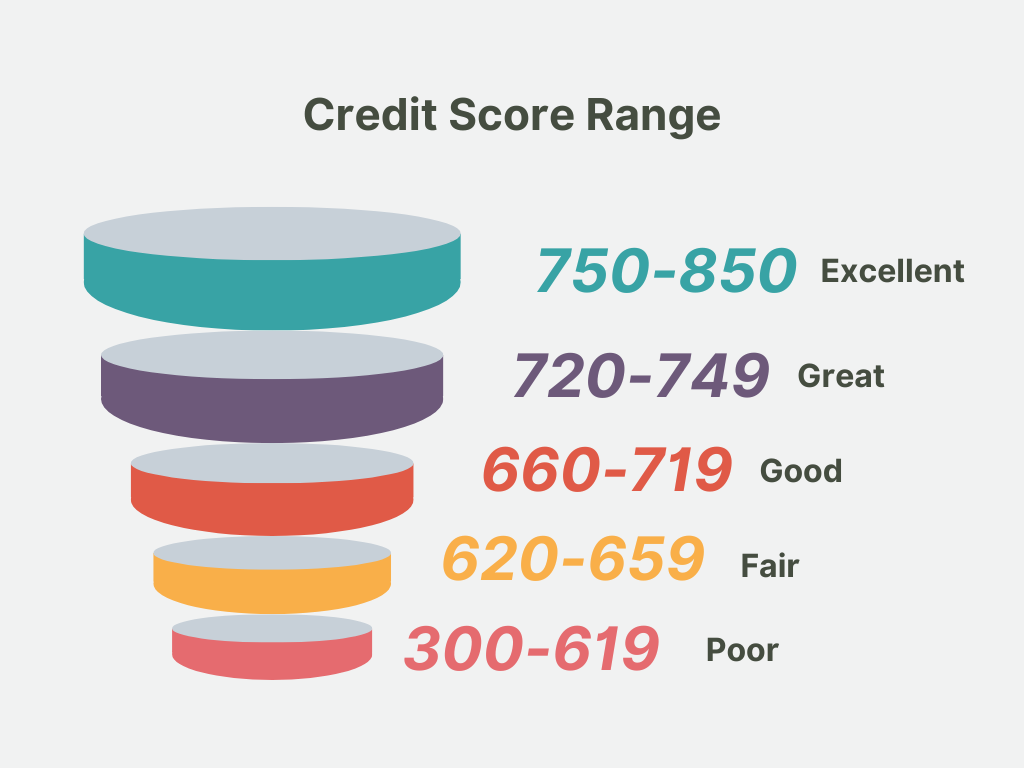
As previously noted, securing a mortgage isn’t solely determined by your credit score. For instance, you might have an impressive score of 810, but your income might be insufficient, or you could have a score of 725 but lack savings. Conversely, having a stable job, minimal debt, and adequate cash reserves for a down payment can significantly influence how your credit score impacts your interest rate.
- Excellent credit score (750-850): Your score won’t influence your interest rate, and you’ll probably receive the most favorable rate available.
- Great credit score (720-749): With this score, your rate will only see a slight increase, around 0.25% above the best rate.
- Good credit score (660-719): Your rate will be moderately affected, about 0.5% higher than the lowest option.
- Fair credit score (620-659): Your rate will be significantly impacted, rising up to 1.5% above the lowest possible rate.
- Poor credit score (300-619): You’ll face the highest interest rates available.
This provides a general sense of how your score can influence your rate, and the increment above the best rate could differ depending on the lender. Nonetheless, you can observe that a lower score will result in higher costs for you.
How are Credit Scores Calculated?
Credit scores are calculated using a complex algorithm that takes various factors into account. While the specific formulas used by FICO and VantageScore may differ slightly, the key components generally include:
- Payment History (35%): This factor assesses whether you have a history of making payments on time. Late payments, delinquencies, and collections can have a negative impact on your credit score.
- Credit Utilization (30%): Credit utilization refers to the amount of credit you are using compared to your credit limits. Keeping your credit utilization low (typically below 30%) can positively affect your credit score.
- Length of Credit History (15%): The length of time you’ve had credit accounts is also considered. A longer credit history can demonstrate your ability to manage credit responsibly.
- Types of Credit (10%): Lenders like to see a mix of different types of credit, such as credit cards, installment loans, and mortgages. Having a diverse credit portfolio can boost your credit score.
- New Credit (10%): Opening multiple new credit accounts in a short period can signal risk, as it may indicate financial distress or an inability to manage debt responsibly.

Why Do Credit Scores Matter in the Mortgage Loan Approval Process?
Credit scores play a crucial role in the mortgage loan approval process for several reasons:
- Risk Assessment: Lenders use credit scores to assess the risk of lending money to a borrower. Higher credit scores indicate a lower risk of default, making borrowers more attractive to lenders.
- Interest Rates: Credit scores can directly impact the interest rates offered on mortgage loans. Borrowers with higher credit scores typically qualify for lower interest rates, resulting in lower monthly mortgage payments over the life of the loan.
- Loan Approval: Many lenders have minimum credit score requirements for mortgage loans. A low credit score may result in loan denial or require the borrower to seek alternative financing options.
- Loan Terms: In addition to interest rates, credit scores can influence other loan terms, such as down payment requirements, loan amounts, and the need for private mortgage insurance (PMI).
- Negotiating Power: Borrowers with excellent credit scores have greater negotiating power when it comes to securing favorable loan terms and conditions.
What Score is Needed to Buy a Home?
One might assume that the answer is straightforward, but it actually varies based on the type of mortgage you’re interested in. Regardless of the loan type, having a high credit score ensures the best interest rates, ultimately saving you a significant amount of money throughout the loan’s duration. However, even individuals with lower scores can still secure a mortgage, so this article will focus on the essential criteria.
For those with poor credit aiming to purchase a home, an FHA loan is the most viable option. FHA loans have the least stringent credit requirements compared to other mortgages. If your credit score falls between 500-579, you can qualify for an FHA loan with a 10% down payment. Scores of 580 or higher allow for a reduced down payment of 3.5% under FHA terms. Additionally, there are no specific minimum or maximum requirements for obtaining an FHA loan. Although it’s not impossible to qualify with a score below 579, approval is more likely at 580 or above.
Additional reading: Timing is Key: When is the Best Time to Sell a House?

Typical Minimum FICO Credit Scores for the Various Mortgage Loans
- FHA Loan – 580+
- USDA Loan – 640+
- VA Loan – 620+
- Conventional Loan – 620+
Tips for Improving Credit Scores for Mortgage Approval
If you’re planning to apply for a mortgage and want to improve your credit scores, consider the following tips:
- Pay Bills on Time: Consistently make on-time payments for all your credit accounts, including credit cards, loans, and utilities.
- Reduce Credit Card Balances: Lower your credit card balances to improve your credit utilization ratio, ideally keeping it below 30% of your credit limits.
- Avoid Opening New Accounts: Limit new credit applications, especially before applying for a mortgage, as multiple inquiries can temporarily lower your credit score.
- Monitor Your Credit Report: Regularly check your credit report for errors or inaccuracies that could negatively impact your credit scores.
- Diversify Your Credit: If you have a limited credit history, consider diversifying your credit mix by adding different types of accounts over time.
- Keep Old Accounts Open: Closing old credit accounts can shorten your credit history and potentially lower your credit scores. Keep older accounts open and active when possible.
Conclusion
In summary, credit scores are vital tools used by lenders to evaluate an individual’s creditworthiness, especially when it comes to mortgage loans. By understanding how credit scores are calculated and the factors that influence them, borrowers can take proactive steps to improve their credit profiles and increase their chances of qualifying for favorable mortgage terms. Monitoring and managing credit responsibly are key practices that can lead to stronger credit scores and a smoother mortgage approval process.